Live work — bythetimeyougothere.xyz 1 / 12
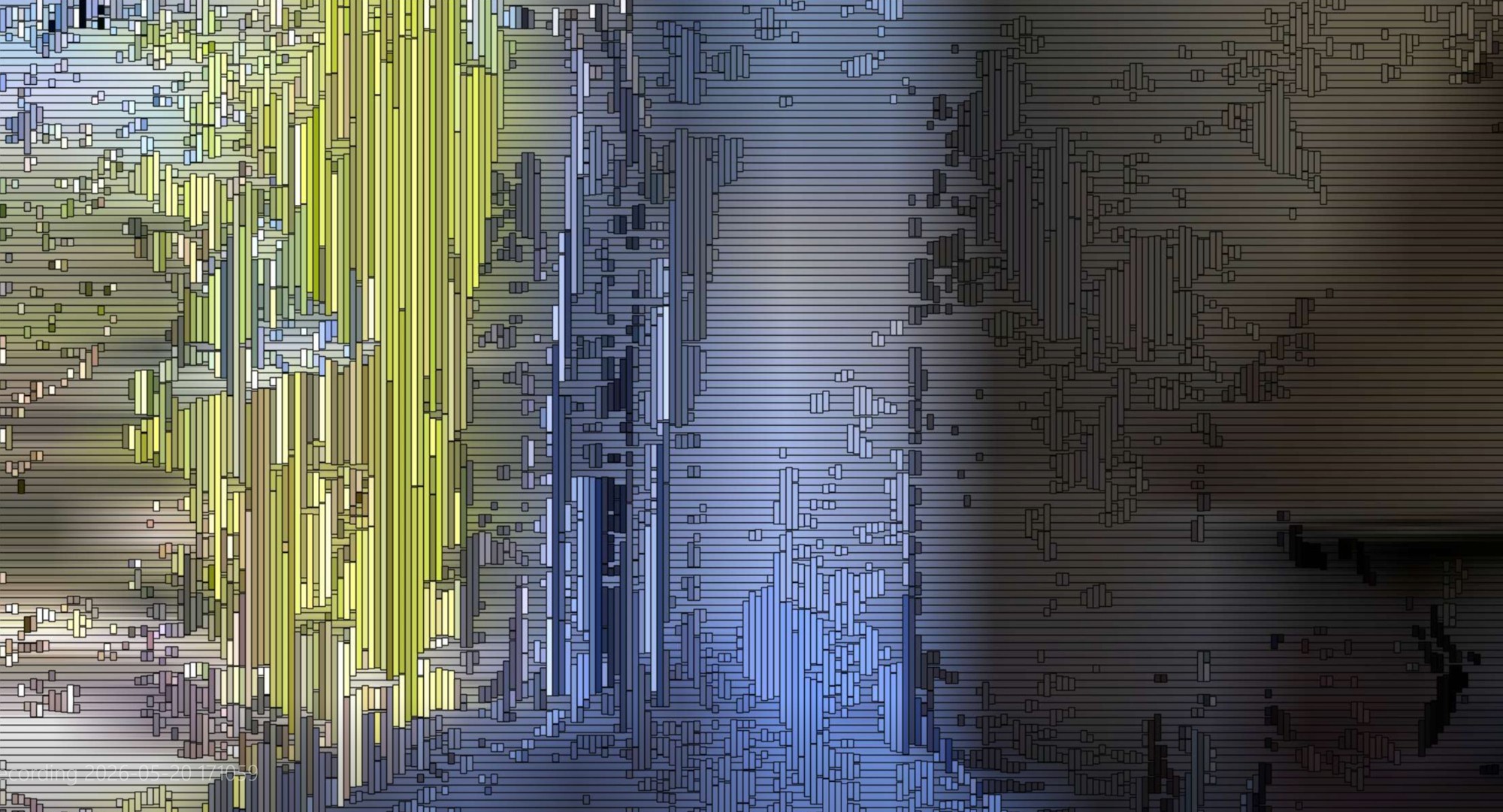
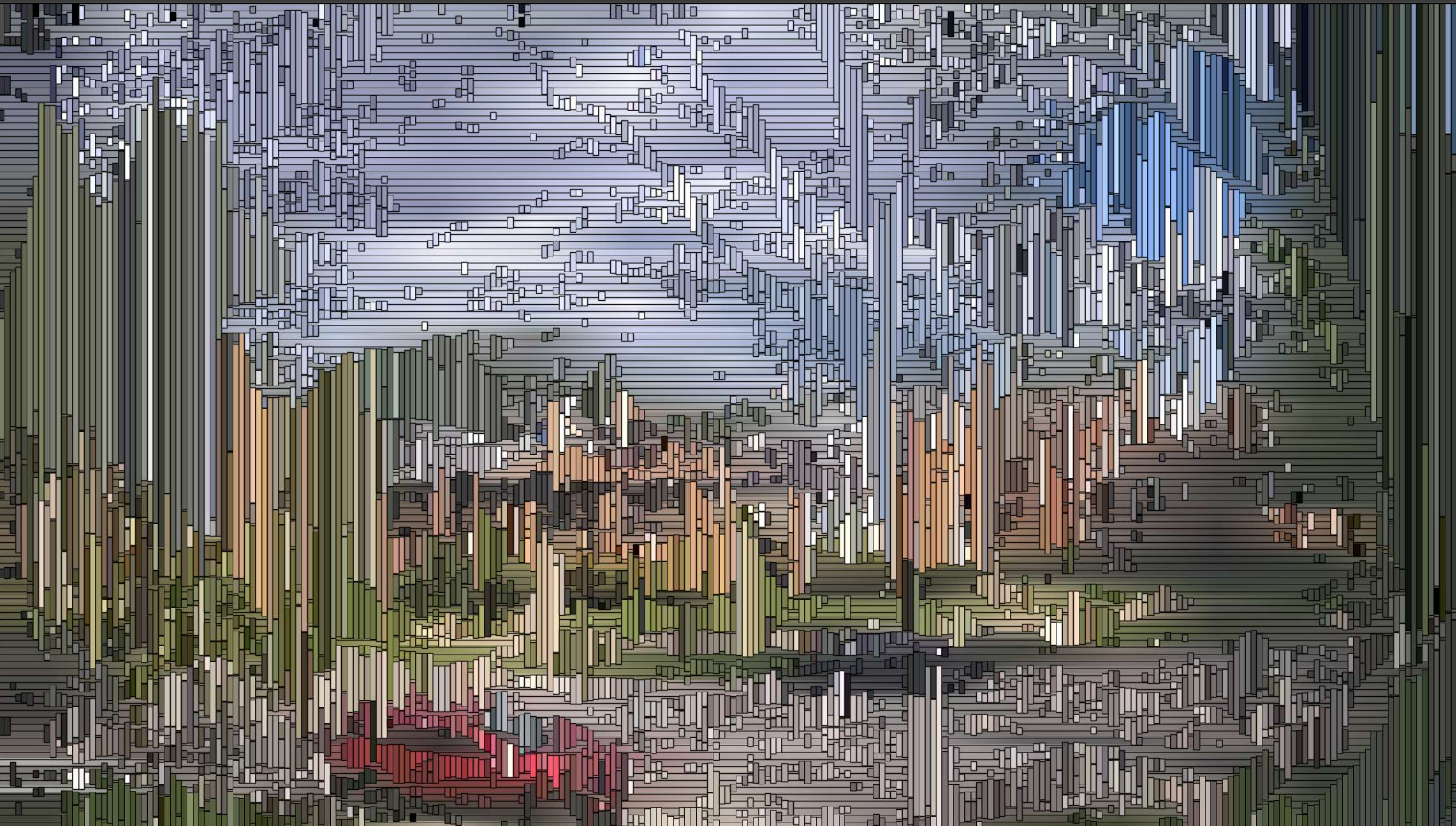
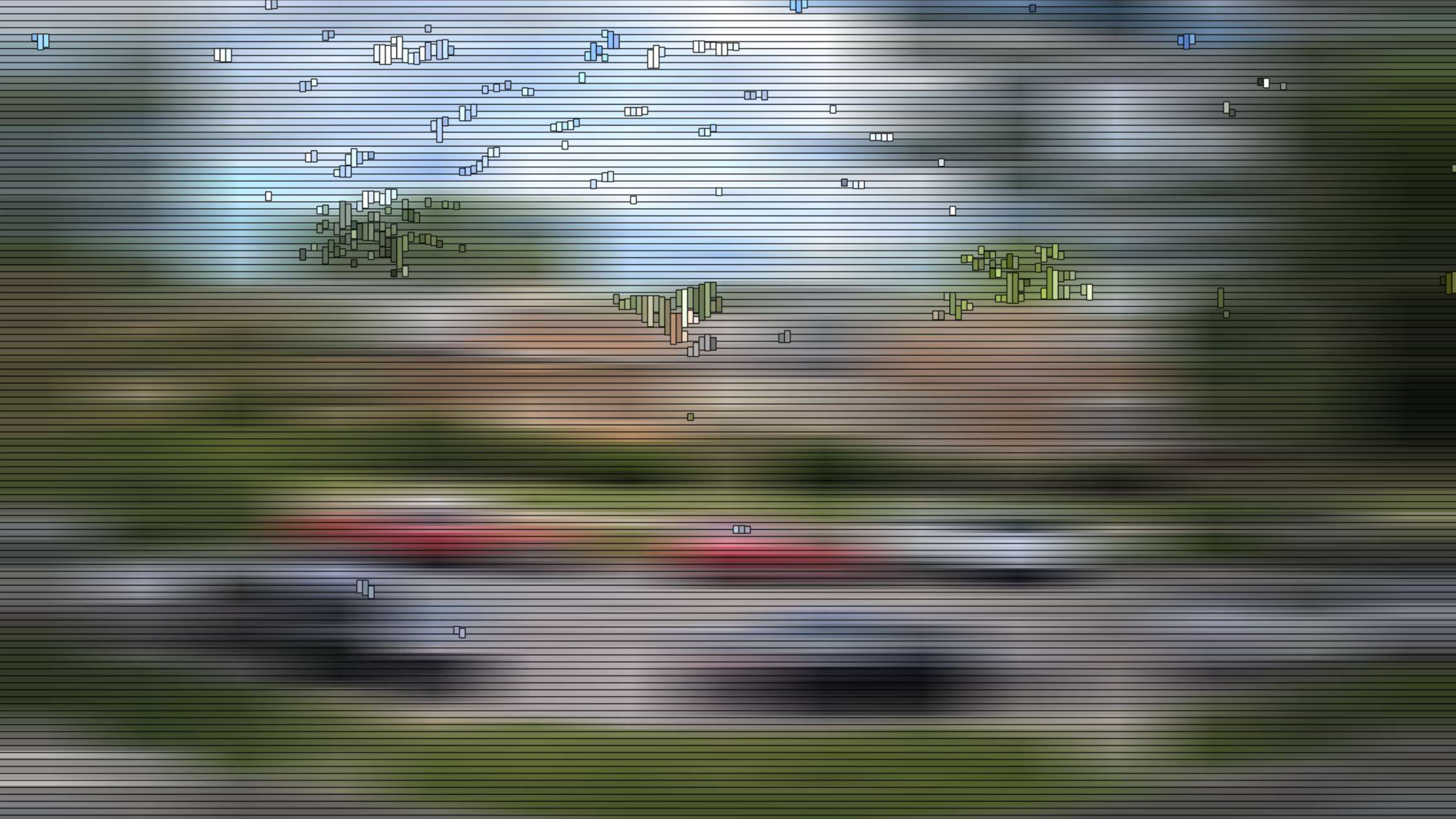
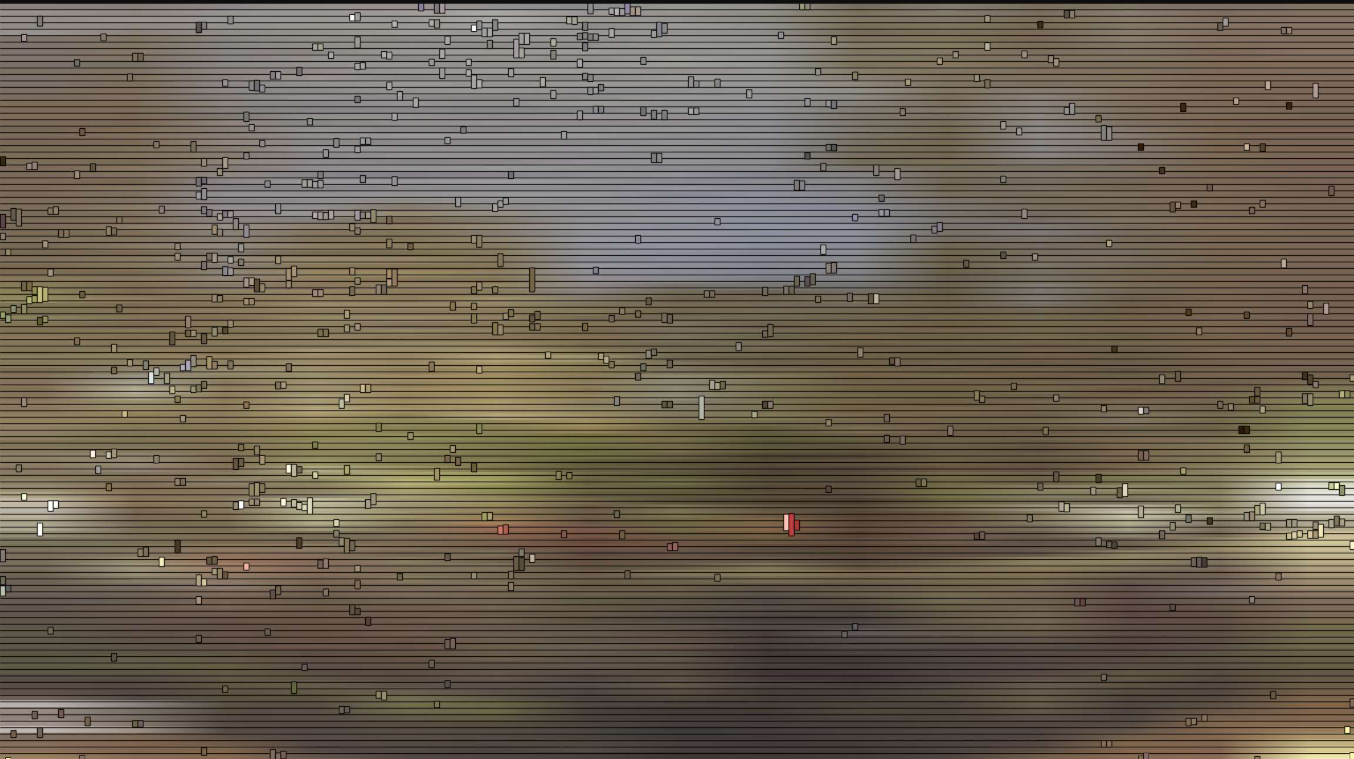
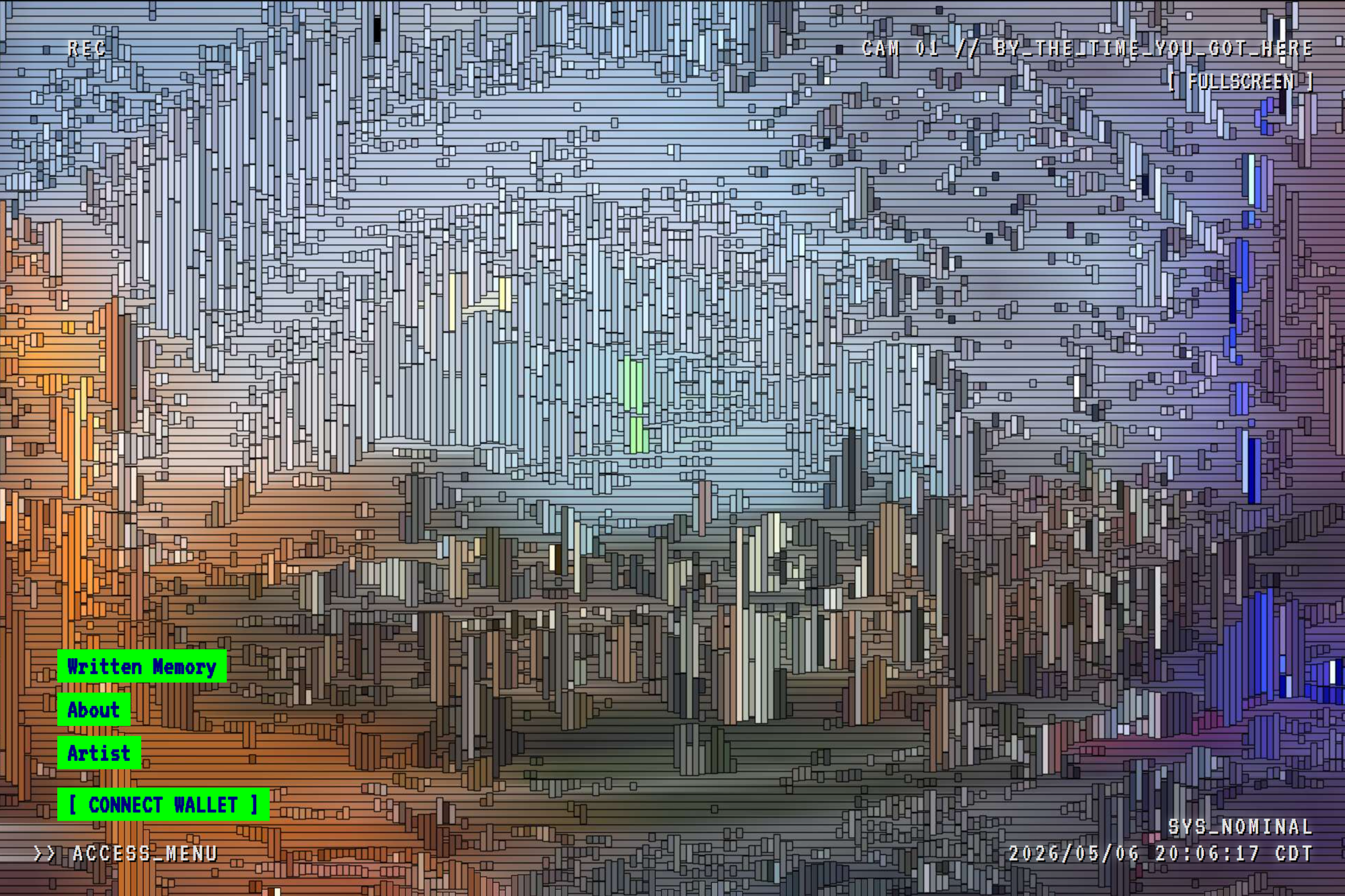
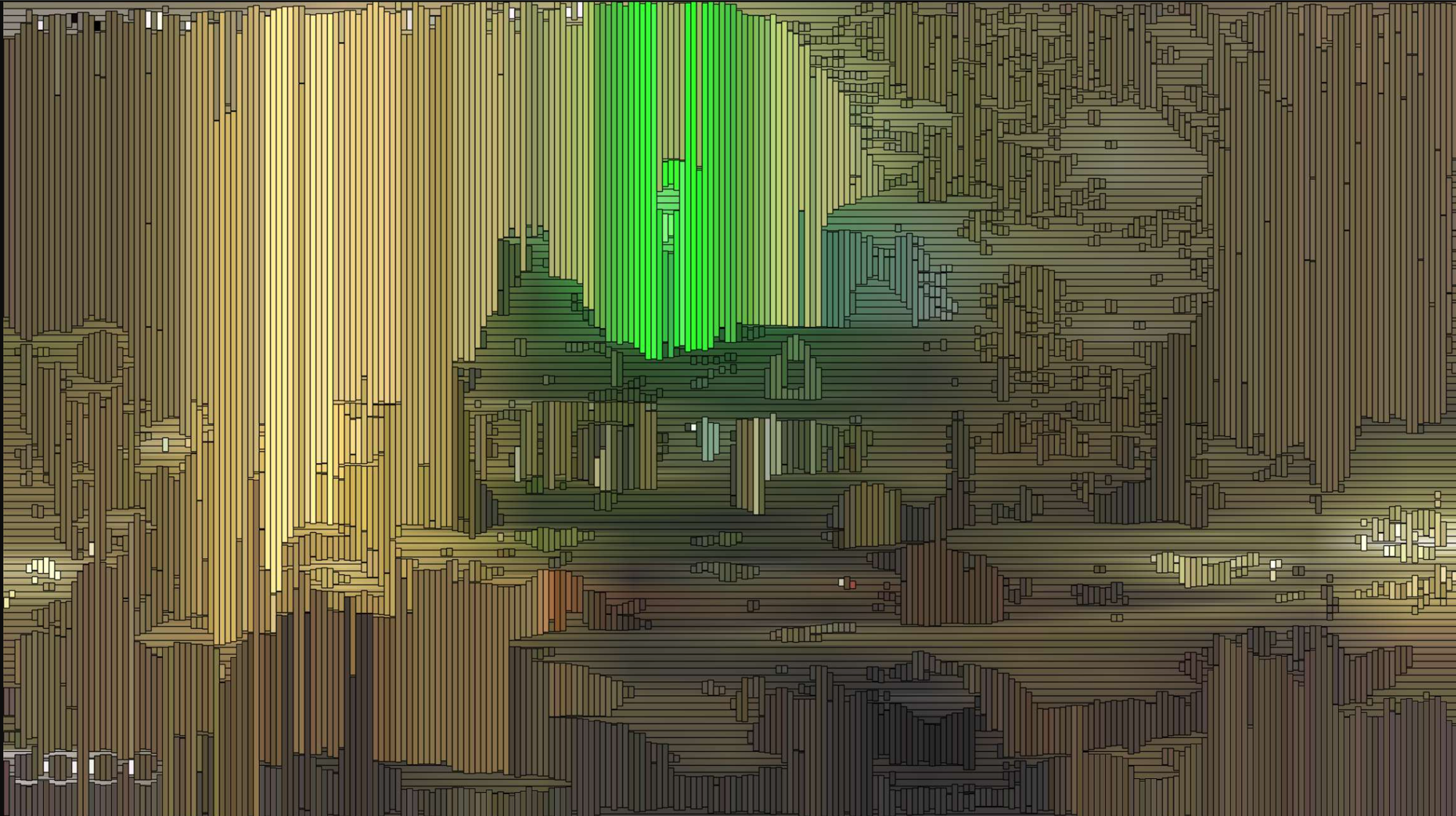
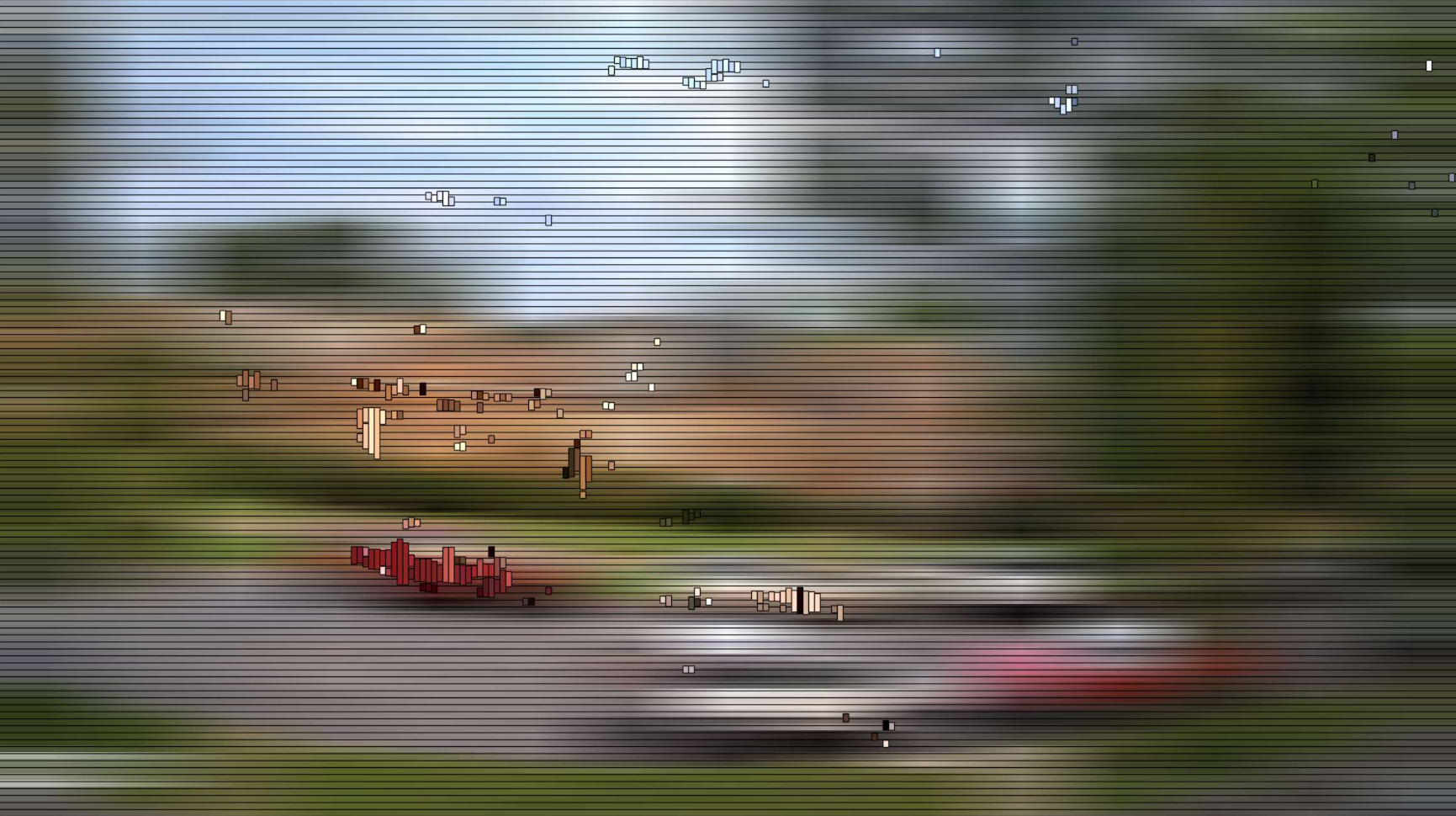
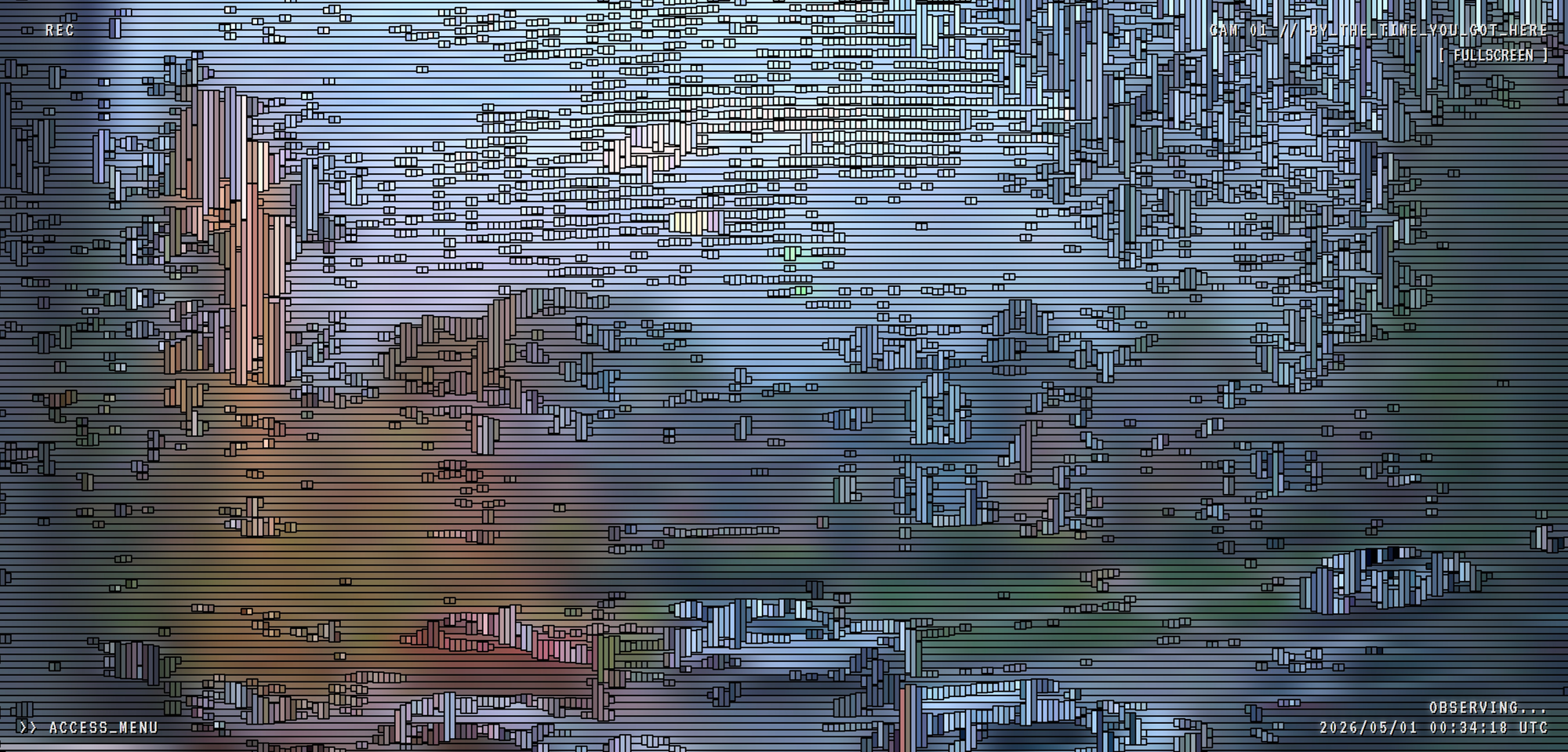
We are obsessed with hoarding digital data, yet we remember less than ever. "By the Time You Got Here" it's a 24/7 live generative system structurally designed to fail at perfect preservation by turning live footage of the artist's living environment into algorithmic abstraction and AI synthesis while withholding archival access. With intentional data decay, it contemplates modern digital preservation and human memory. It operates with the collector's decisions to let go of full possession by selecting limited memories to keep and let the rest perish - accepting that true preservation requires intentional loss stewarded by choice.
The system is live 24/7 at: https://bythetimeyougothere.xyz
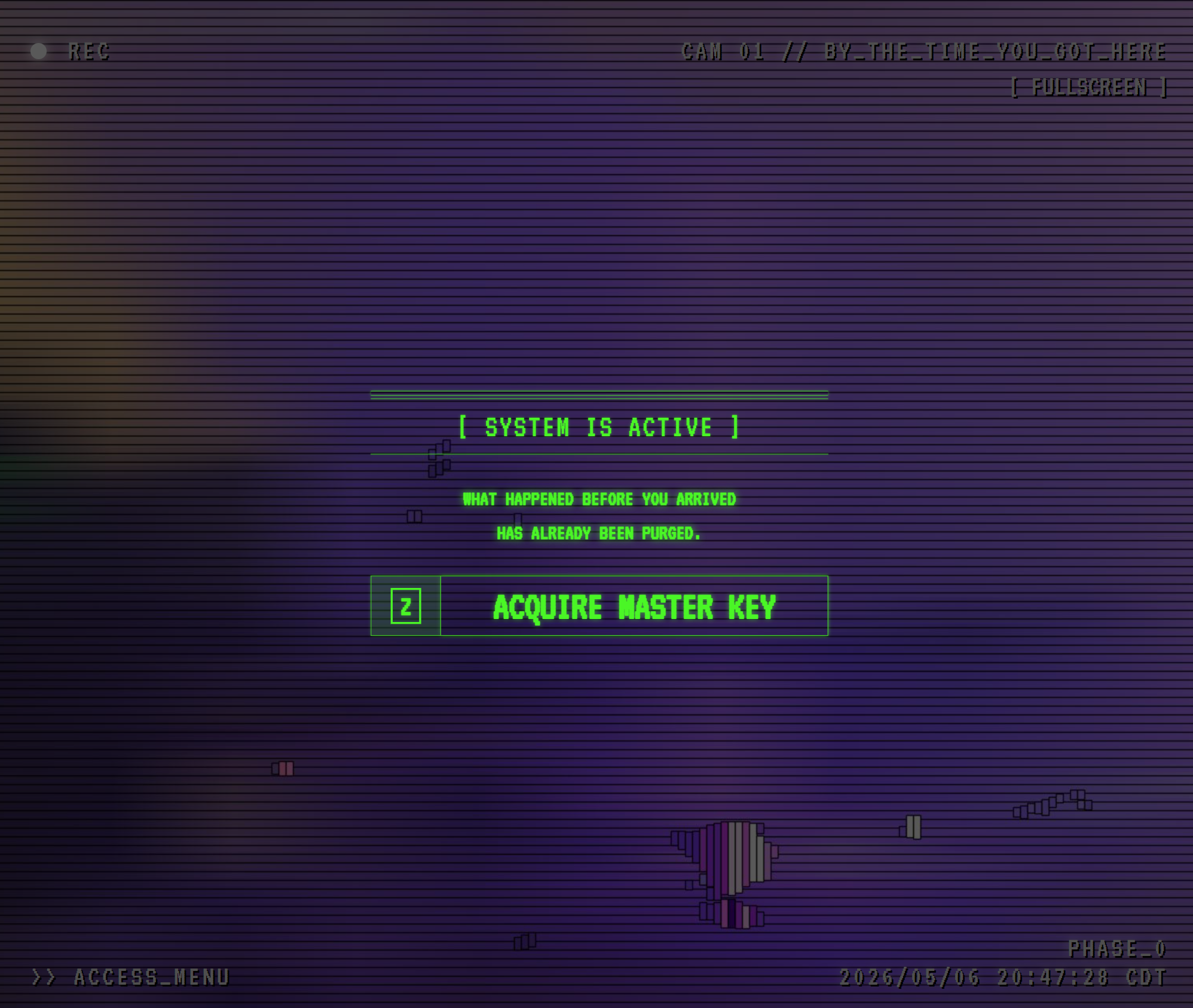
The Core Mechanic At its core, this artwork operates as a continuous "memory mill" and an automated 365-day countdown mechanism designed around intentional data destruction. Operating in an era of endless data hoarding, the system explores digital hauntology and the fragility of memory by subverting cold algorithmic surveillance. The system begins running long before it is ever acquired. Because it operates prior to collection, the collector always arrives "too late"—the history of the system before their arrival is permanently lost, establishing that ownership does not equal full possession.
Once acquired via an on-chain transaction, the collector receives an non-fungible toke that functions as a cryptographic master key, locking the system's access exclusively to them. An irreversible one-year countdown begins, forcing the collector into a private interactive loop where they must actively intervene every month to save fragments of the system's history. Crucially, they must make these choices blindly, relying solely on AI-generated poetry. If they fail to act, the remaining data is purged forever.
System Architecture: Inputs & Outputs Inputs: A continuous live video stream (sensor), on-chain smart contract events (acquisition triggers), and the collector's monthly preservation choices (with token-gated access). Outputs: A real-time abstracted public video stream, a daily AI-generated text log (minted on-chain), and a final, composite generative video artifact (permanently minted on-chain upon completion).
The Lifecycle & Processing Pipeline 1. Ingestion & The Real-Time Shroud The live camera feed routes to a relay server and a real-time computer vision engine. Algorithms instantly extract environmental telemetry (motion density, luminance, temporal rhythms) and use it as parameters to drive visual shaders, rendering the raw video into highly stylized, abstract layers. The original, raw reality is never publicly displayed; only this abstracted feed is visible.
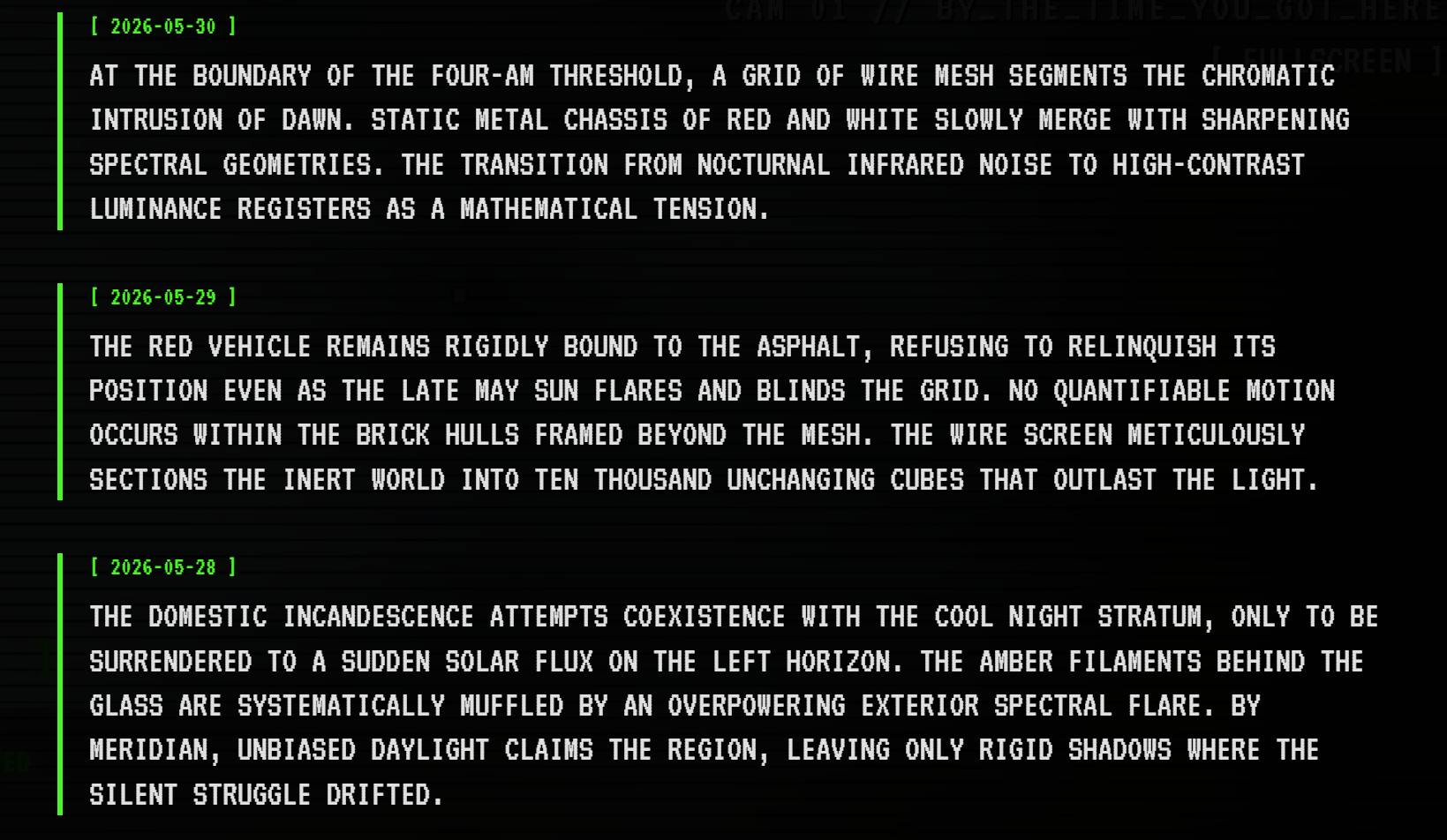
2. The AI "Poet" Loop (On-Chain Minting) Before the daily raw footage is destroyed, a scheduled cron job extracts unstylized frames. It passes these frames—along with the day's extracted telemetry—to a multimodal Vision/LLM API. The AI acts as an isolated observer, prompted to interpret the visual data and return a poetic text log that attempts to capture the essence of the fleeting human moments it witnessed but cannot fully comprehend. Once generated, this text log is automatically minted on-chain as metadata, ensuring immutable, decentralized access exclusively for the token-holding collector.
3. Automated Erasure & The Collector's Burden The project’s temporal rules are governed by a state machine with distinct lifecycle phases:
Pre-Acquisition (The Inaccessible Past): The pipeline runs continuously while waiting to be collected. At the end of every 24 hours, the raw visual footage is permanently destroyed. Because no one is authorized to save data, the system accumulates an inaccessible historical backlog, leaving behind only the on-chain AI-written poetry to capture the essence of the forgotten days. Activation (The onchain Master Key & 365-Day Countdown): The moment the artwork is minted or transferred on-chain, an irreversible 365-day countdown timer begins. The onchain token serves as the master key—acting as the sole authorization token. From this point forward, the collector must connect their blockchain wallet to authenticate, and only the current holder of the token can log into the system to participate in the preservation loop. The Monthly Ultimatum (Blind Selection): Every month, the token-authenticated collector is granted a 30-day time-to-live window to save just one day's abstracted visual memory. The system enforces strict blind selection: the collector cannot re-access any visual documentation. They must choose blindly, relying solely on reading the immutable, on-chain AI poetry recorded in the system. All unselected memories for that month are permanently purged. Inaction equals total destruction.
4. System Death & Final Compilation After exactly one year since acquisition, the live feed dies and the processing loop terminates. The collector is then prompted via the token-gated web interface to answer 10 reflective questions focusing on memory, perception, absence, and what they believe they failed to keep.
The Final Artifact: A generative post-processing script aggregates the remains of the system—influenced by the 12 saved days of visual memory, the on-chain daily texts, and the final answers. It composites these into a final, fragmented, looping video artifact. Upon completion, this final video is permanently minted on-chain, acting as the enduring capstone of the collection.
By confronting the lives and places witnessed but never fully inhabited, the system’s technical constraints assert that true preservation requires intentional loss. Human memory holds weight precisely because it is a leaky vessel. The final output demonstrates that what survives the system isn't a failure of memory, but a precious afterimage shaped entirely by the our choices.
Willea Zwey
Format Variable Media
willeazwey.com · bythetimeyougothere.xyz · willeazwey.com · Instagram · X
Willea Zwey is a multidisciplinary artist based in Chicago, whose work blends architectural precision and technology with imaginative storytelling. Guided by her background in architecture, she creates otherworldly scenes rich in detail, surreal elements, and expressive use of intricate visual arrangement. Her practice explores themes of memory, identity, and interconnectedness, crafting dynamic environments that resonate both visually and emotionally—rooted in personal experience and intended to evoke collective echoes. Willea’s works have been exhibited internationally, including at Sotheby’s, Times Square, The National Art Center Tokyo, Art Dubai, and Digital Art Fair, offering innovative perspectives that bridge reality and imagination.