No artist matches that.
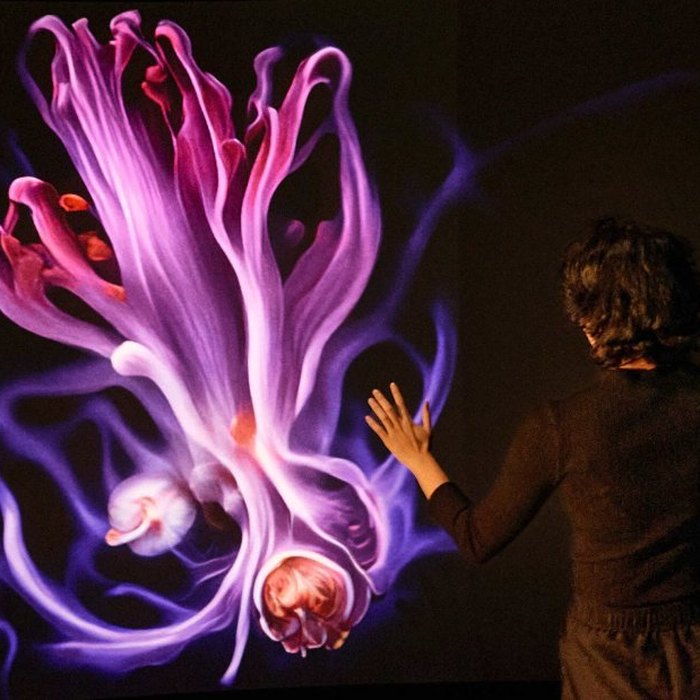 Machine Dreaming (2025)
Aileen Ng
Machine Dreaming (2025)
Aileen Ng
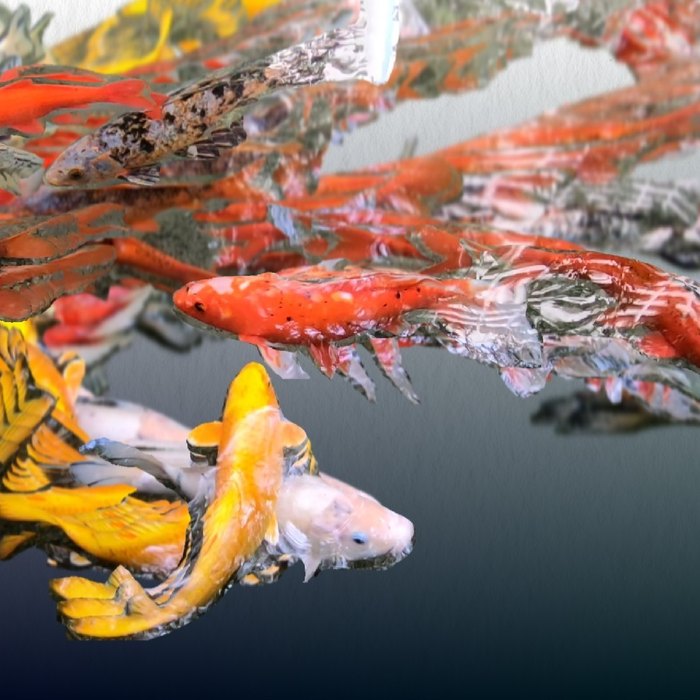 ESSENCE (2025)
Alex May
ESSENCE (2025)
Alex May
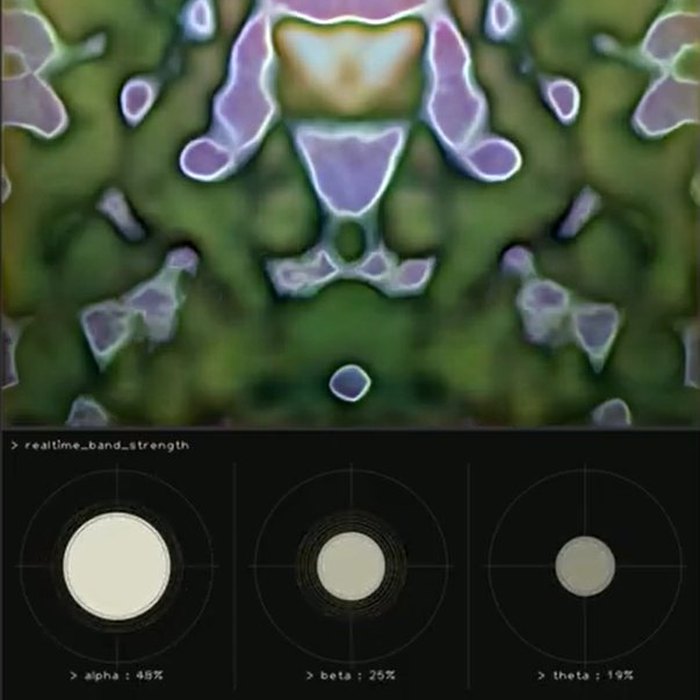 MU (2026)
Alex Whelan
MU (2026)
Alex Whelan
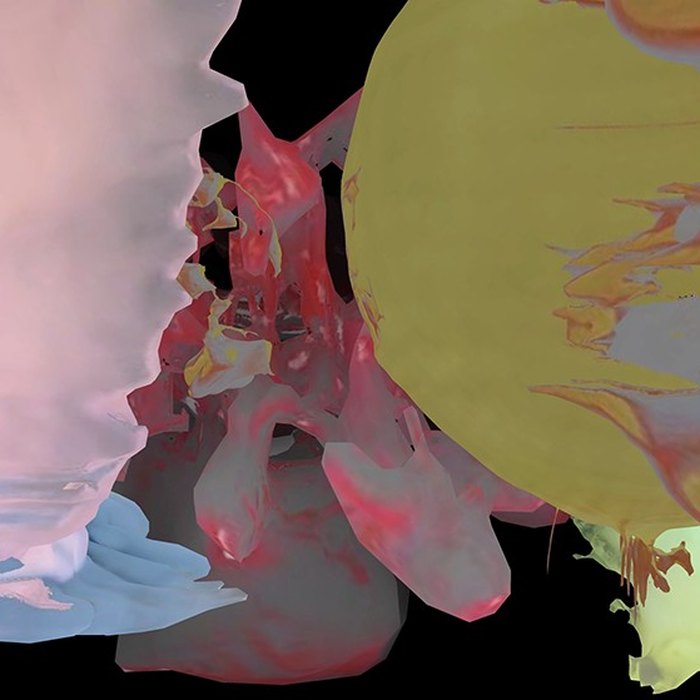 The Museum of Prompt Mishaps (2025)
Alinta Krauth
The Museum of Prompt Mishaps (2025)
Alinta Krauth
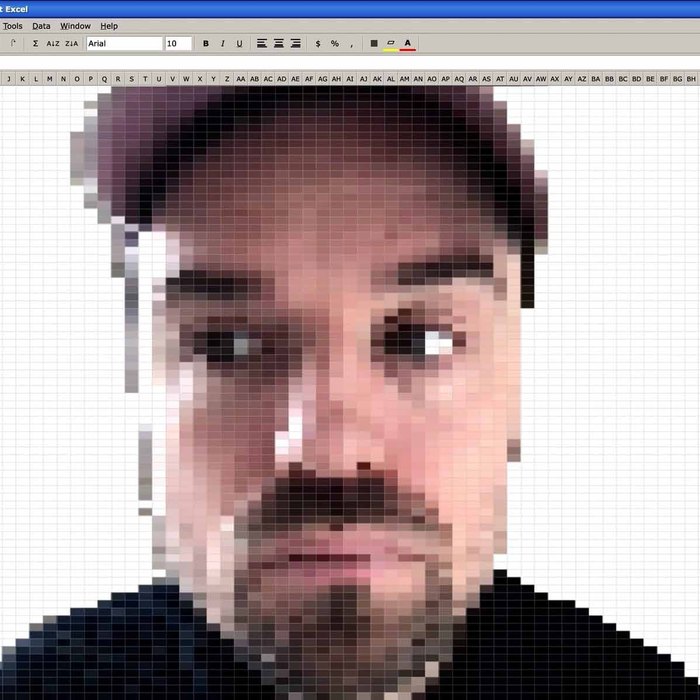 Spreadsheet of You (2026)
Andreas Refsgaard
Spreadsheet of You (2026)
Andreas Refsgaard
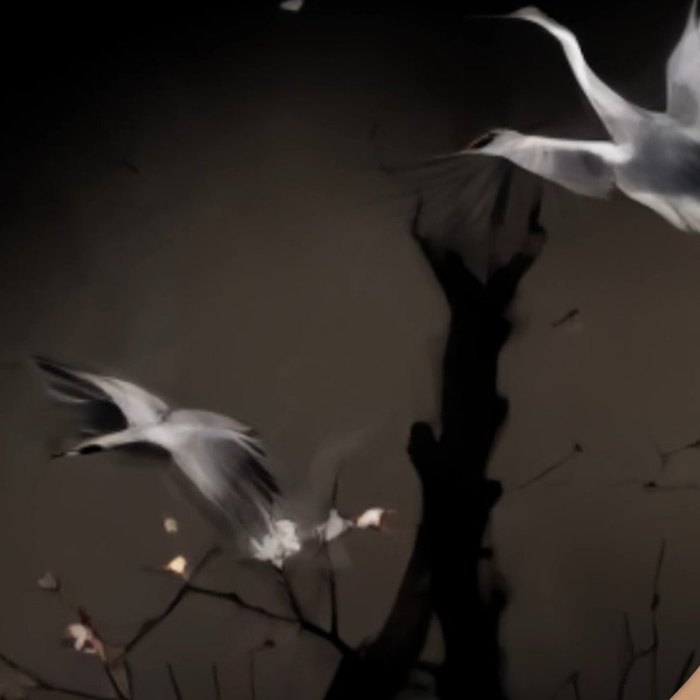 Embodied Animation (2025)
Yu & Min
Embodied Animation (2025)
Yu & Min
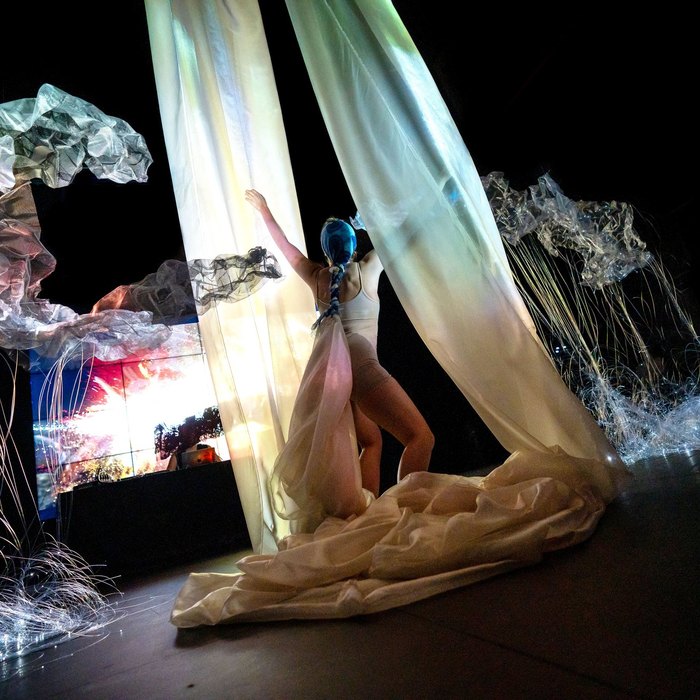 Spotlight
Peeling Cycle (2026)
Anqi Liu et al.
Spotlight
Peeling Cycle (2026)
Anqi Liu et al.
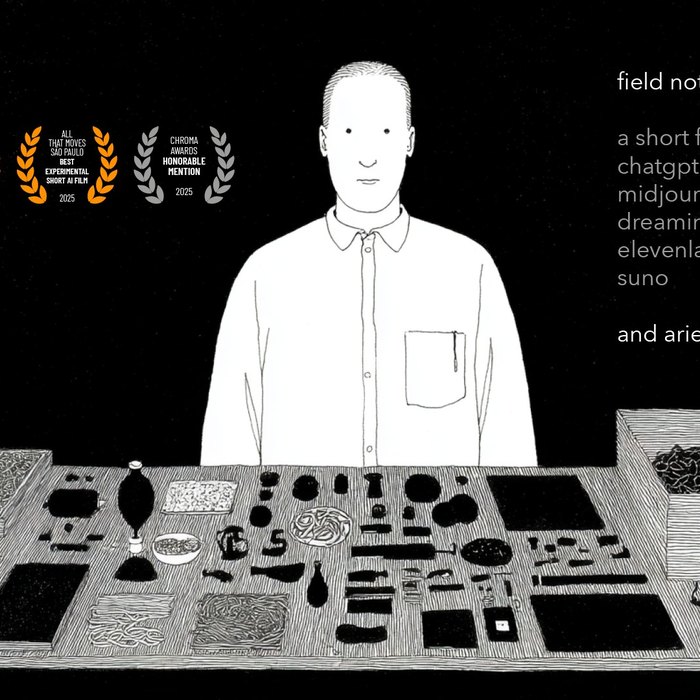 field notes (2025)
arielko
field notes (2025)
arielko
 Spotlight
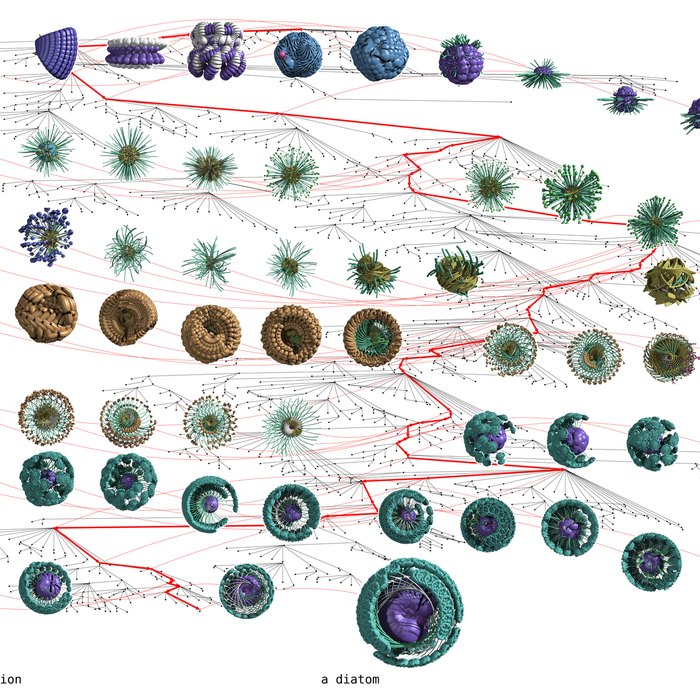
Diatom Lineage (2025)
William Latham et al.
Spotlight
Diatom Lineage (2025)
William Latham et al.
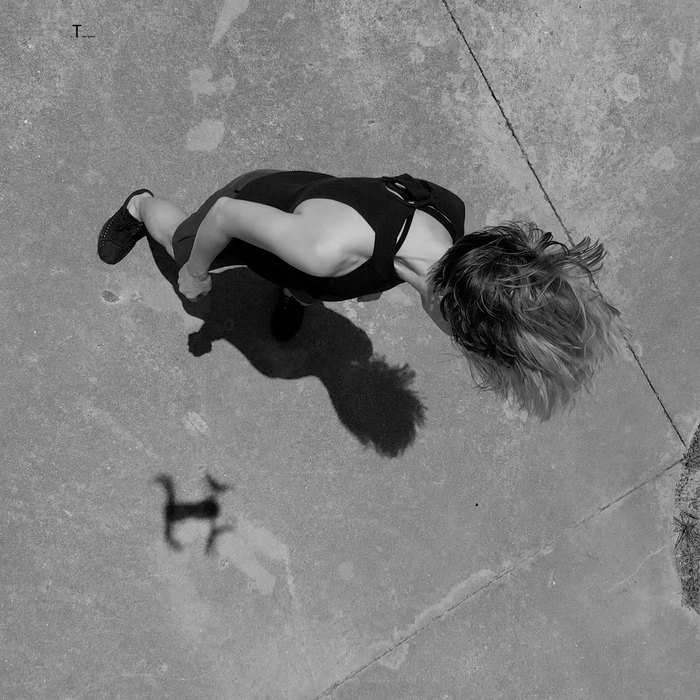 Postscript: A Southern Device (2025)
Ash Eliza Smith
Postscript: A Southern Device (2025)
Ash Eliza Smith
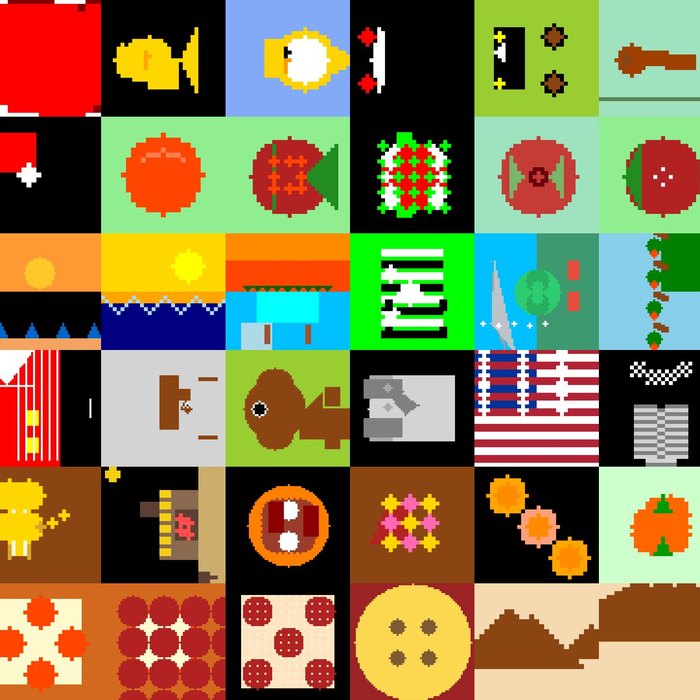 Autoregressive Mosaics (2026)
Ashwin Nedungadi
Autoregressive Mosaics (2026)
Ashwin Nedungadi
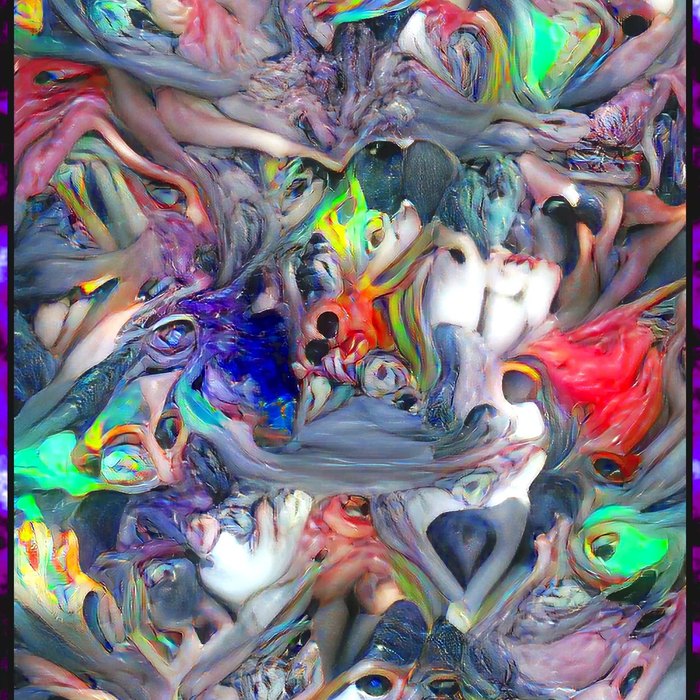 Otherness (2026)
Atay Ilgun
Otherness (2026)
Atay Ilgun
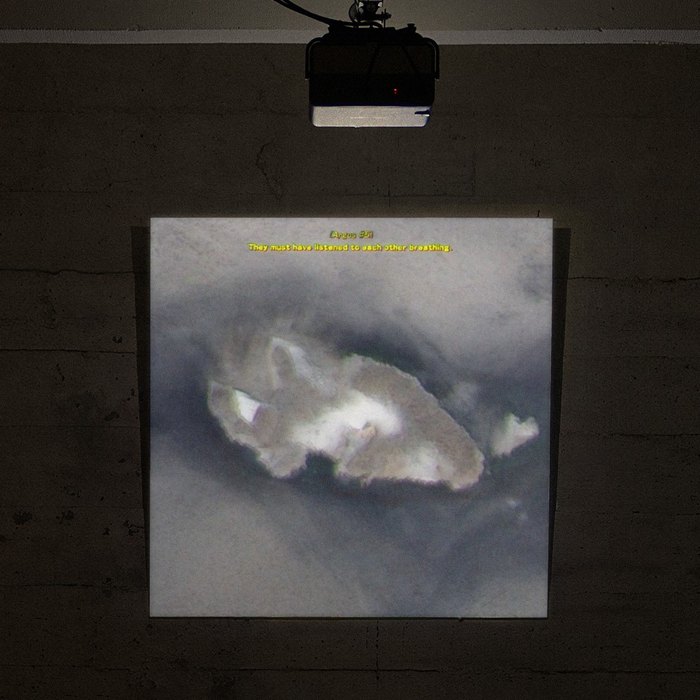 Spotlight
Searching For (Bradley Land) (2026)
Cezar Mocan
Spotlight
Searching For (Bradley Land) (2026)
Cezar Mocan
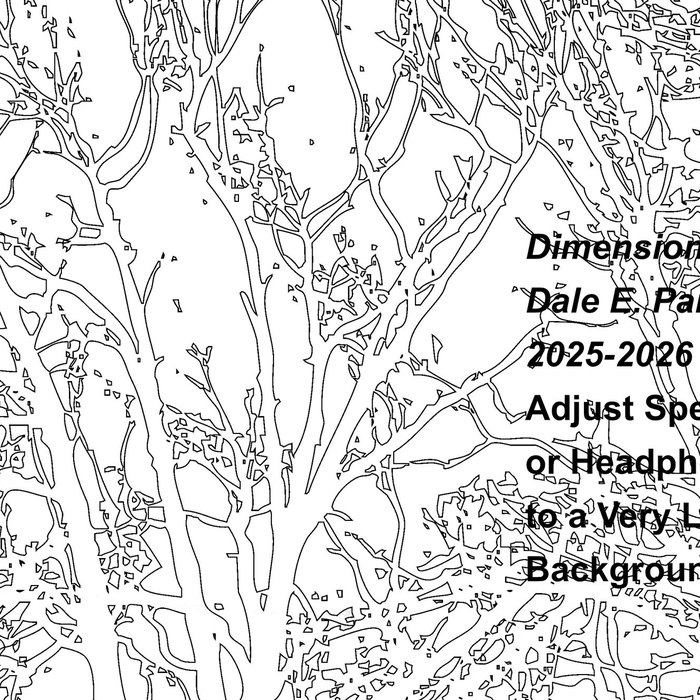 Dimensions Alpha In 3 Movements (2026)
Dale Parson
Dimensions Alpha In 3 Movements (2026)
Dale Parson
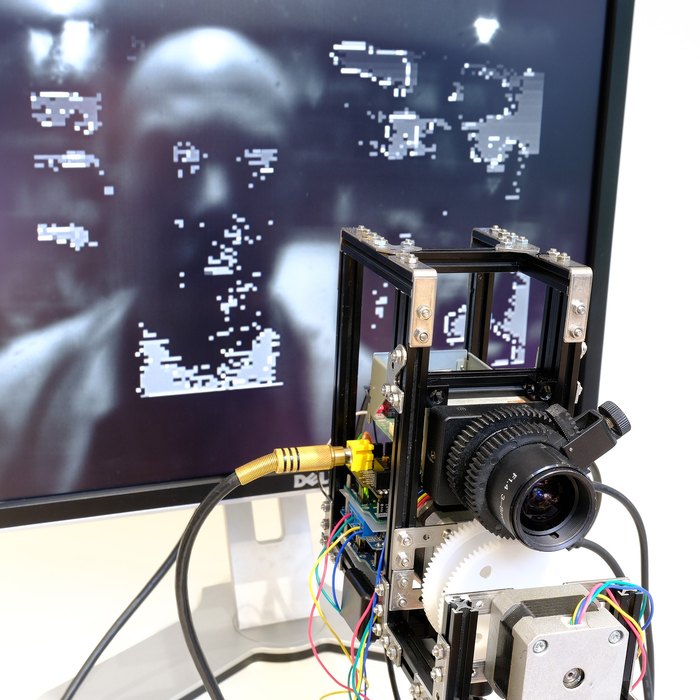 Perception (2026)
Damien Borowik
Perception (2026)
Damien Borowik
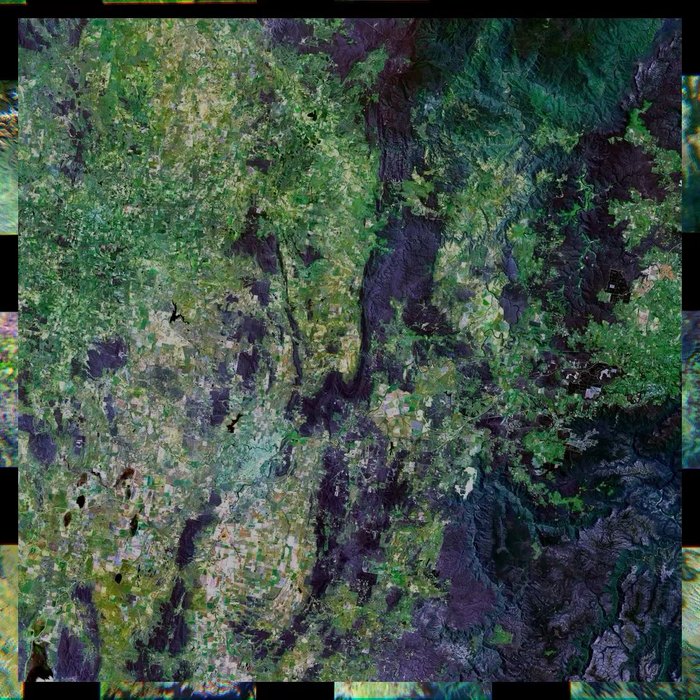 Spotlight
Lens (2026)
Damien Roach
Spotlight
Lens (2026)
Damien Roach
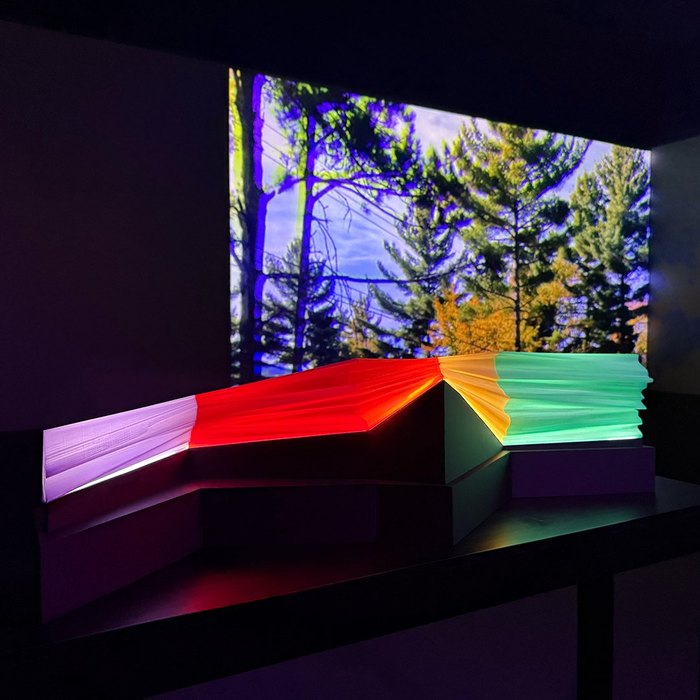 Autumn Illumination - Lucid Voxelations Series (2025)
Ed S. Johnston
Autumn Illumination - Lucid Voxelations Series (2025)
Ed S. Johnston
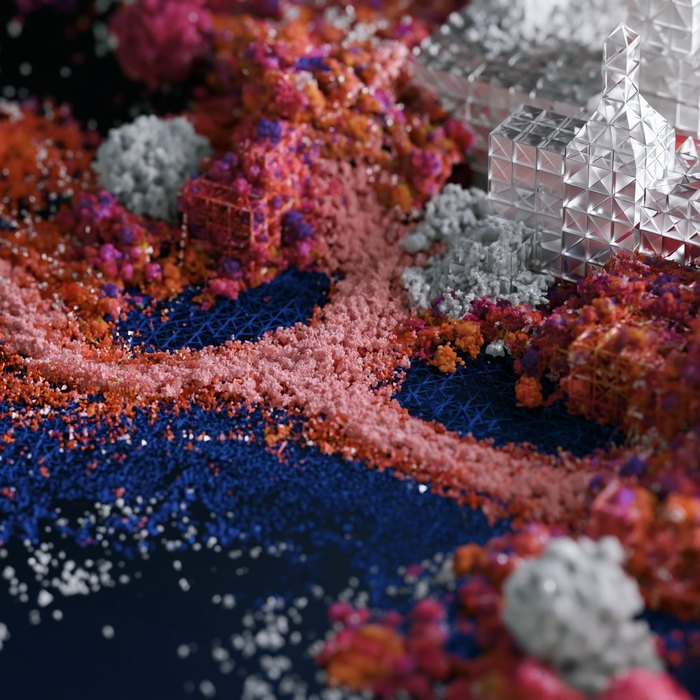 Particles / Organic — Simulation Without a Solver (2026)
Evgeniya Yaroshik
Particles / Organic — Simulation Without a Solver (2026)
Evgeniya Yaroshik
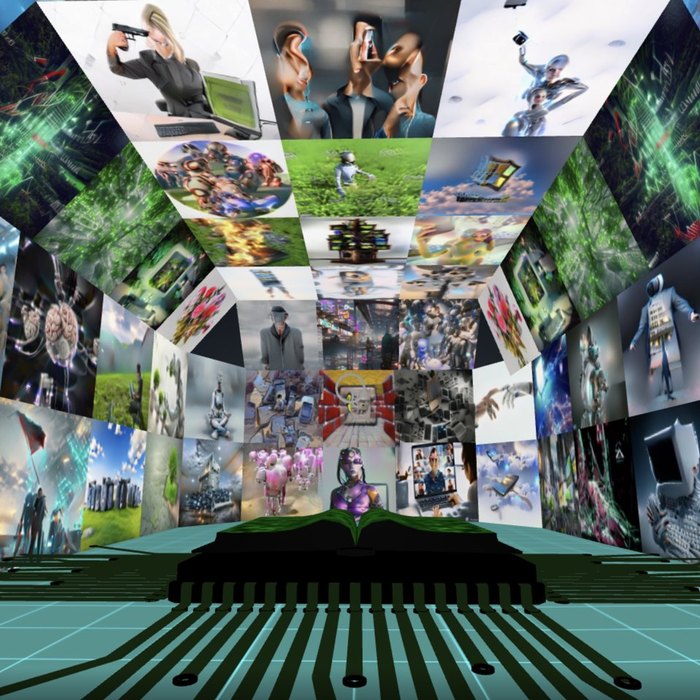 Tech Prophecies: Neural Chapel (2026)
Larios & Sanabria
Tech Prophecies: Neural Chapel (2026)
Larios & Sanabria
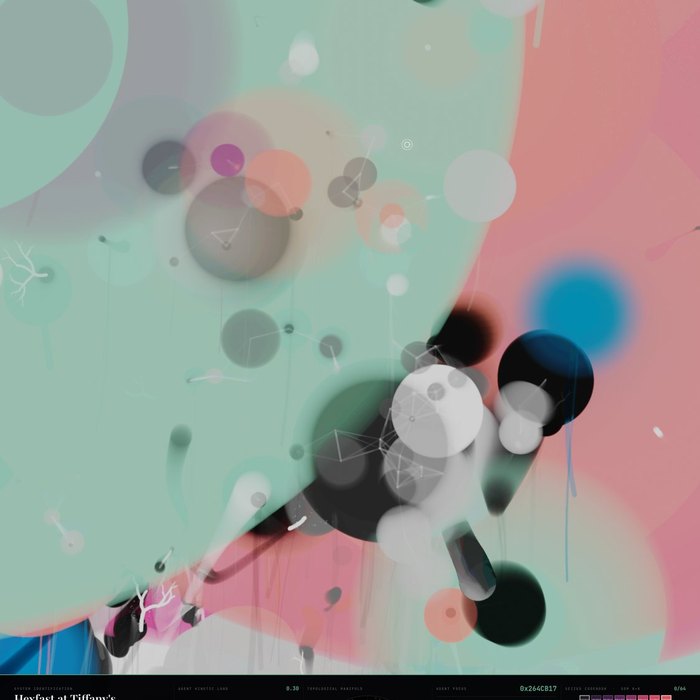 HEXfast at Tiffany's (2026)
Frederik De Wilde
HEXfast at Tiffany's (2026)
Frederik De Wilde
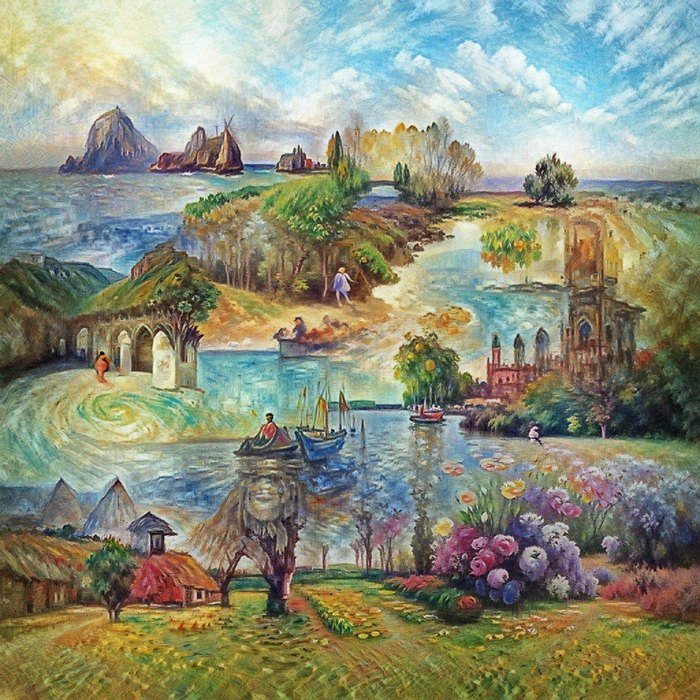 Spotlight
An Image Worth a Thousand Paintings (2026)
George Cazenavette et al.
Spotlight
An Image Worth a Thousand Paintings (2026)
George Cazenavette et al.
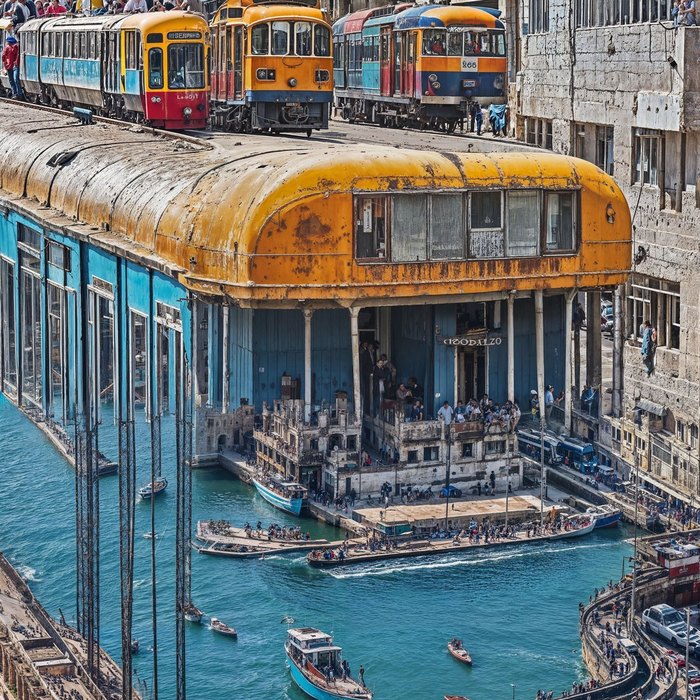 Quatrains of Confusion (2025)
Hassan Ragab
Quatrains of Confusion (2025)
Hassan Ragab
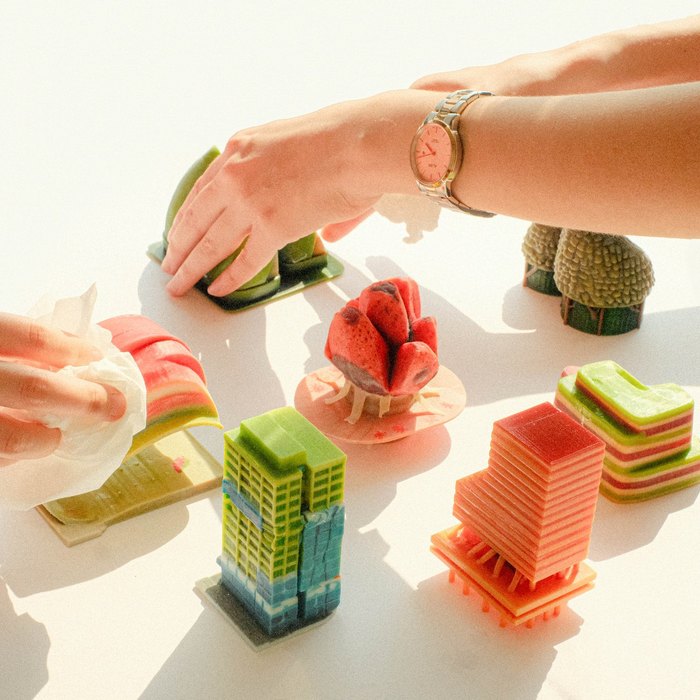 Spotlight
Neural Palate Kueh (2025)
Immanuel Koh
Spotlight
Neural Palate Kueh (2025)
Immanuel Koh
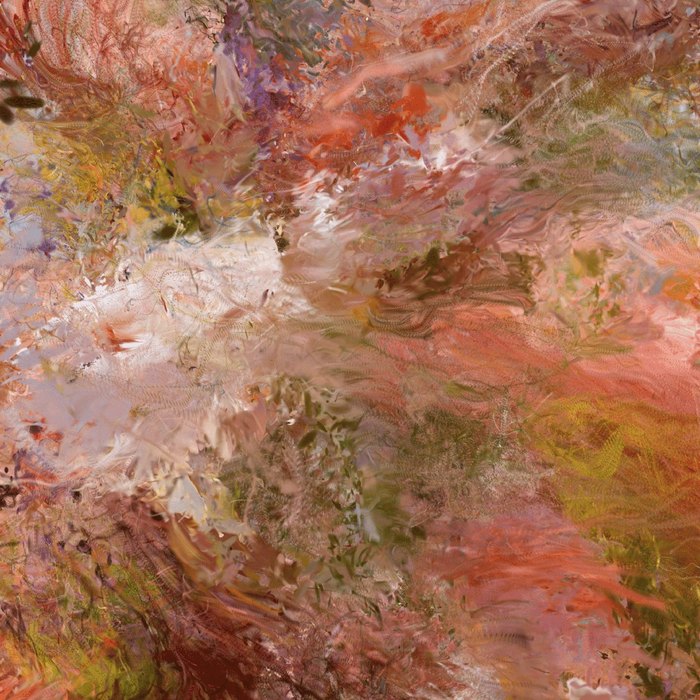 Agential (2026)
Irem Bugdayci
Agential (2026)
Irem Bugdayci
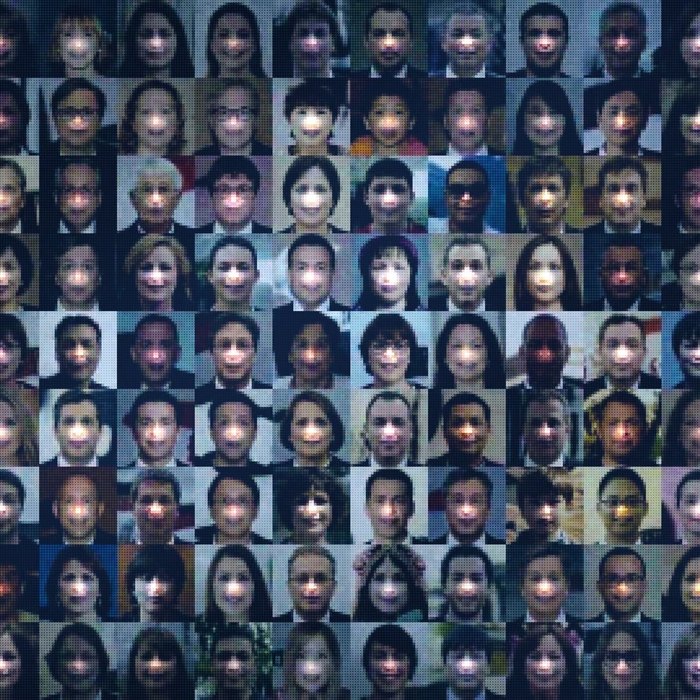 Latens (2026)
Joonhyung Bae
Latens (2026)
Joonhyung Bae
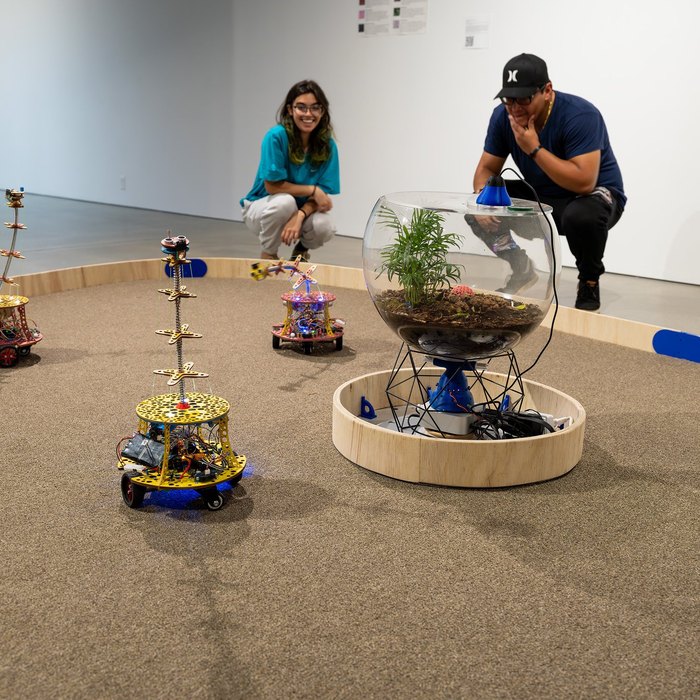 Spotlight
Anicca Antenna: Soil as Brain (2026)
Ken Rinaldo
Spotlight
Anicca Antenna: Soil as Brain (2026)
Ken Rinaldo
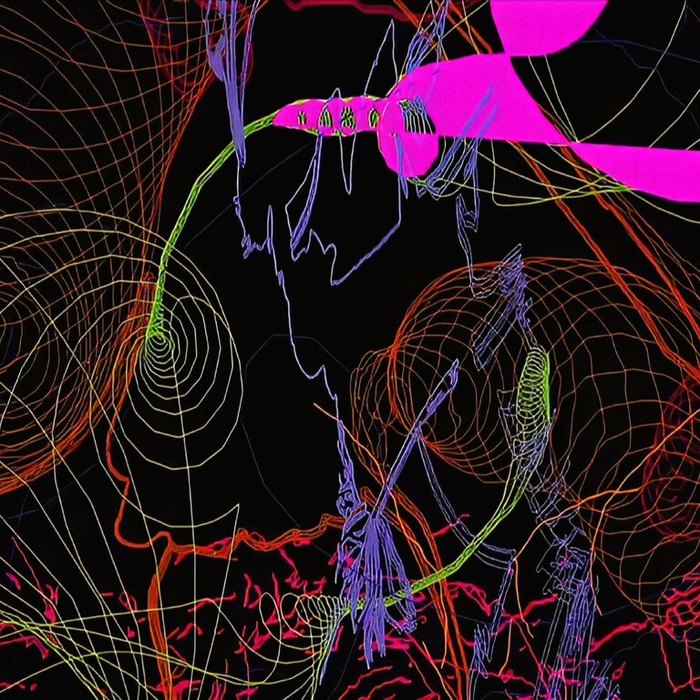 Time in Bloom (2026)
Kim Jaeik
Time in Bloom (2026)
Kim Jaeik
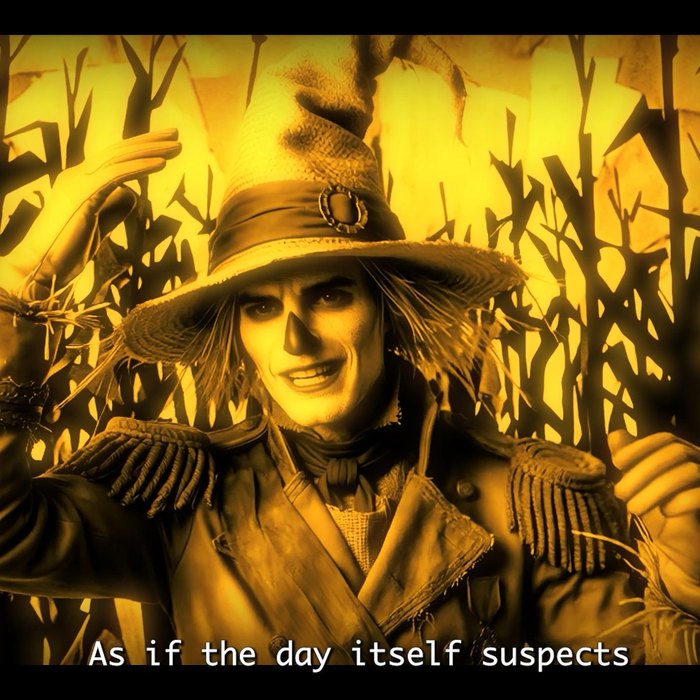 The Scarecrows of Saskan: Live Action Remake (2026)
Leo Elia
The Scarecrows of Saskan: Live Action Remake (2026)
Leo Elia
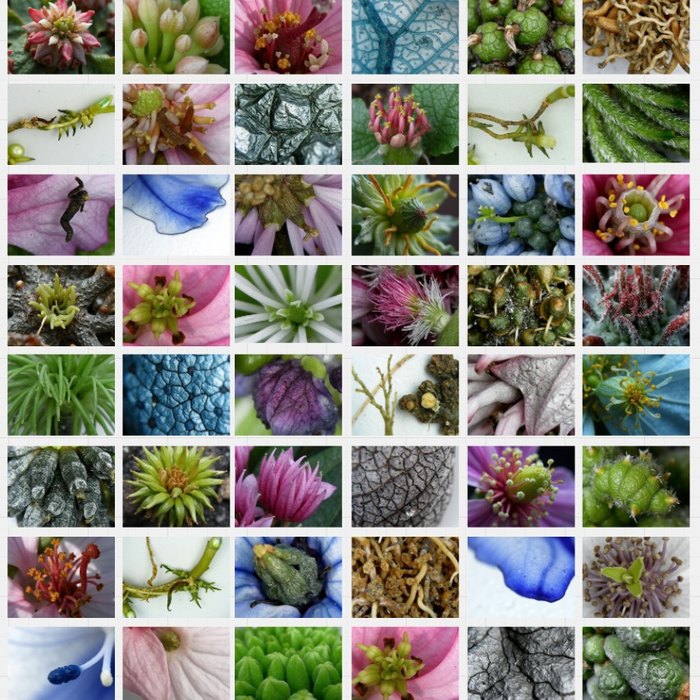 In-between live matter (2026)
Lida Zacharopoulou
In-between live matter (2026)
Lida Zacharopoulou
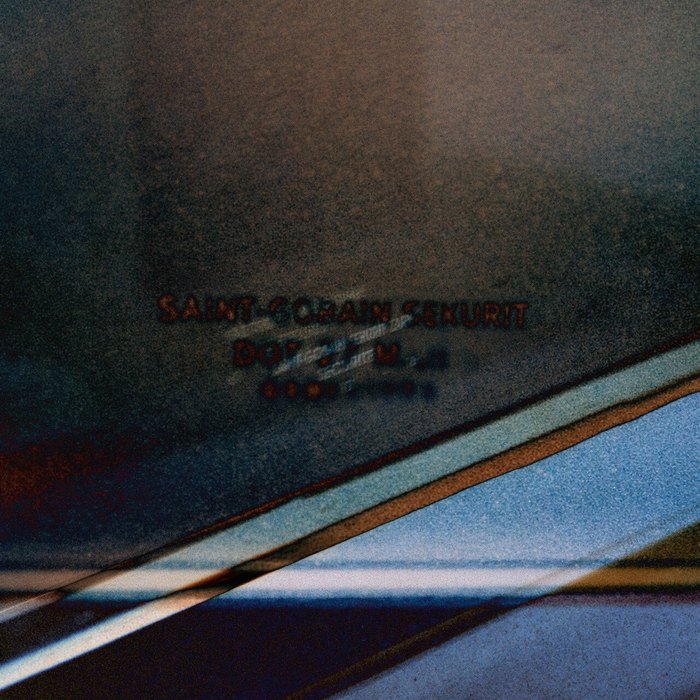 Spotlight
Soustractions (2026)
Louis Frehring
Spotlight
Soustractions (2026)
Louis Frehring
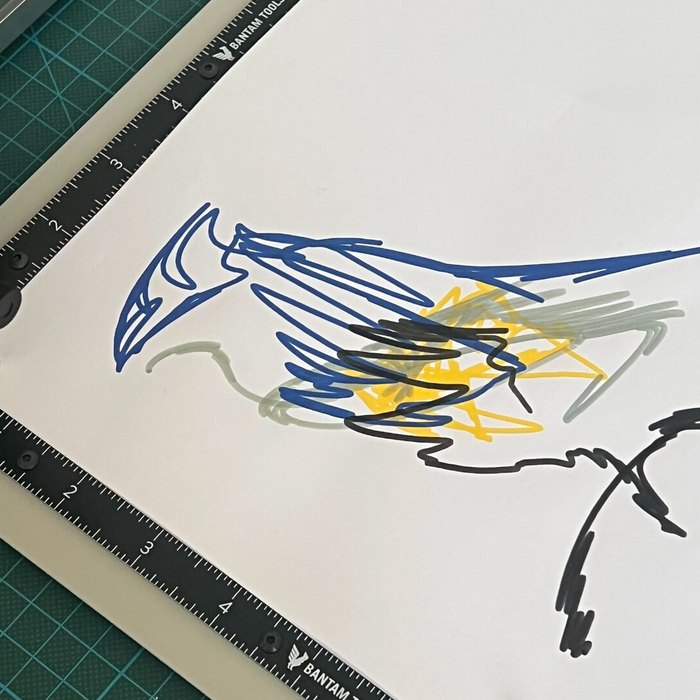 Synthetic Gestures (2026)
Matt DesLauriers
Synthetic Gestures (2026)
Matt DesLauriers
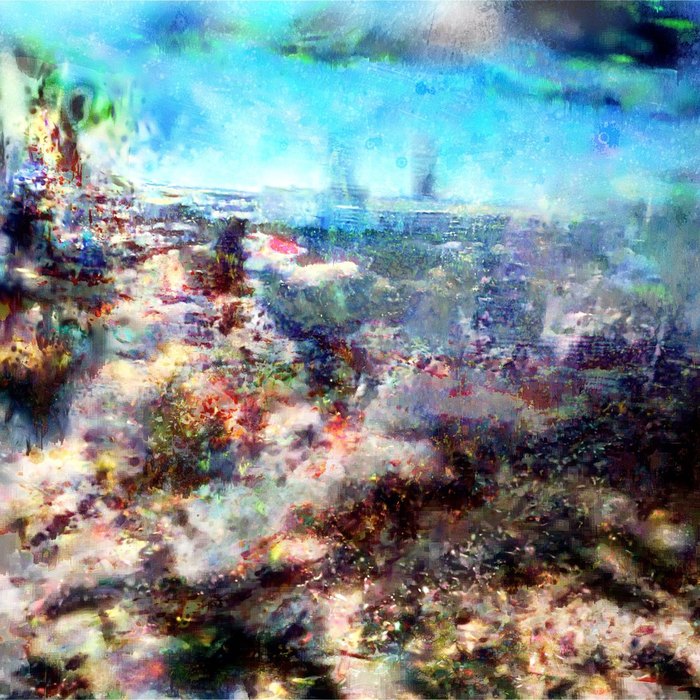 10-18 @ Parker Center (2026)
Michael Woodruff
10-18 @ Parker Center (2026)
Michael Woodruff
 Letters (2026)
Miguel Ripoll
Letters (2026)
Miguel Ripoll
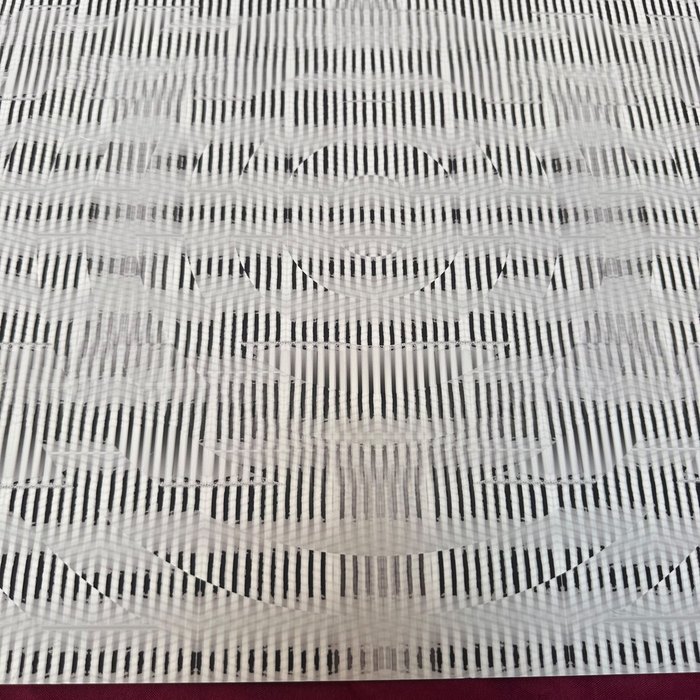 Systemfehler im Paradies (2026)
Mike Coleman
Systemfehler im Paradies (2026)
Mike Coleman
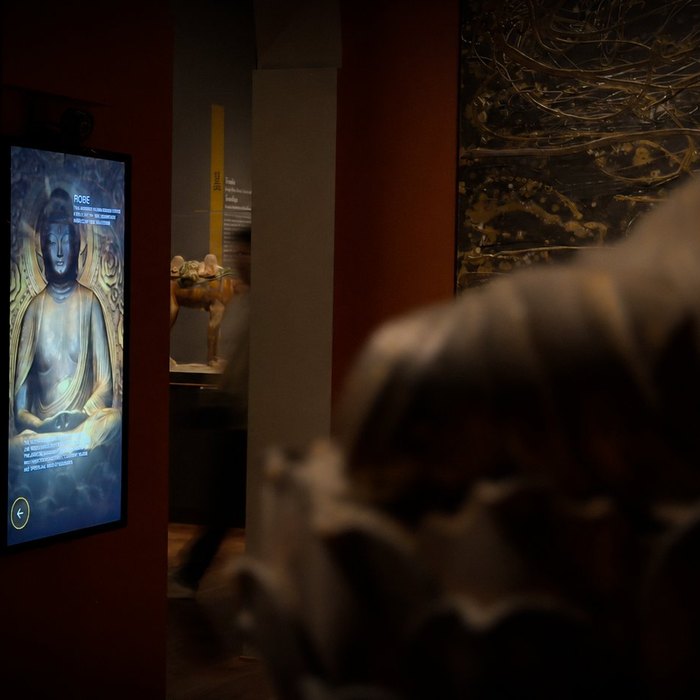 Exploring Buddhist Symbolism Through Real-Time Touch and Gesture in a Museum Setting (2026)
Mingyong Cheng et al.
Exploring Buddhist Symbolism Through Real-Time Touch and Gesture in a Museum Setting (2026)
Mingyong Cheng et al.
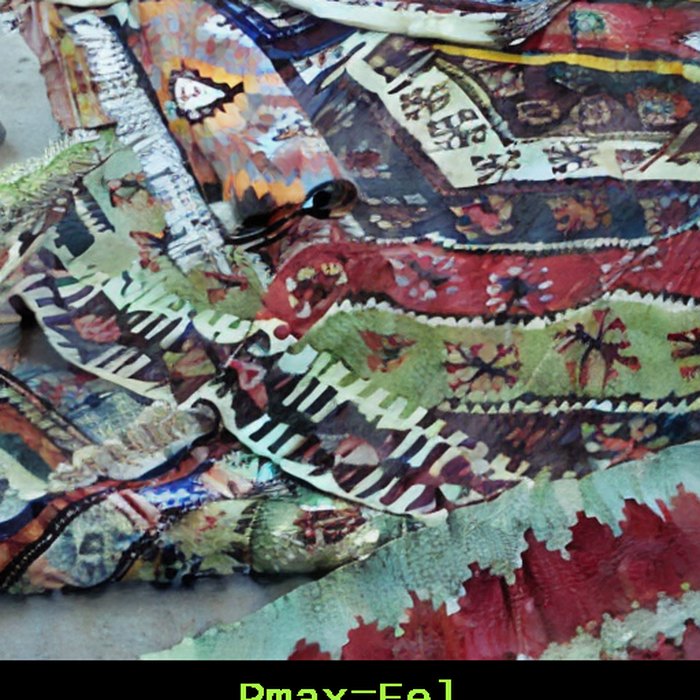 Fooling DINO (2026)
Onur Yüksel
Fooling DINO (2026)
Onur Yüksel
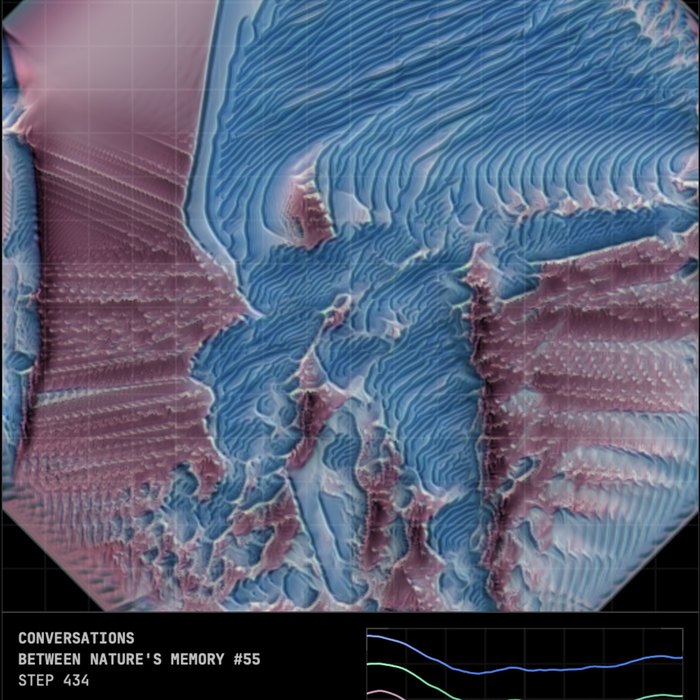 Conversations Between Nature's Memories (2026)
Orkhan Mammadov
Conversations Between Nature's Memories (2026)
Orkhan Mammadov
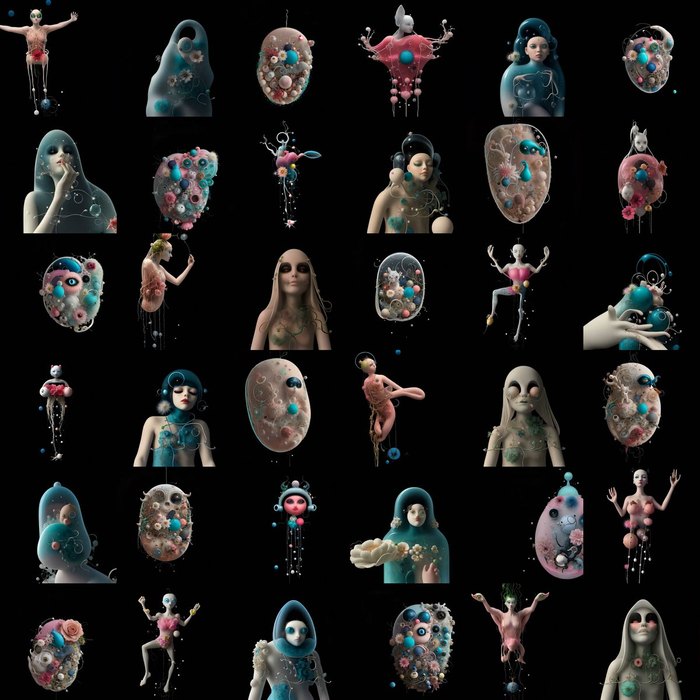 Identidad Fluida (2026)
Petra (Luis Betancourt Nuñez)
Identidad Fluida (2026)
Petra (Luis Betancourt Nuñez)
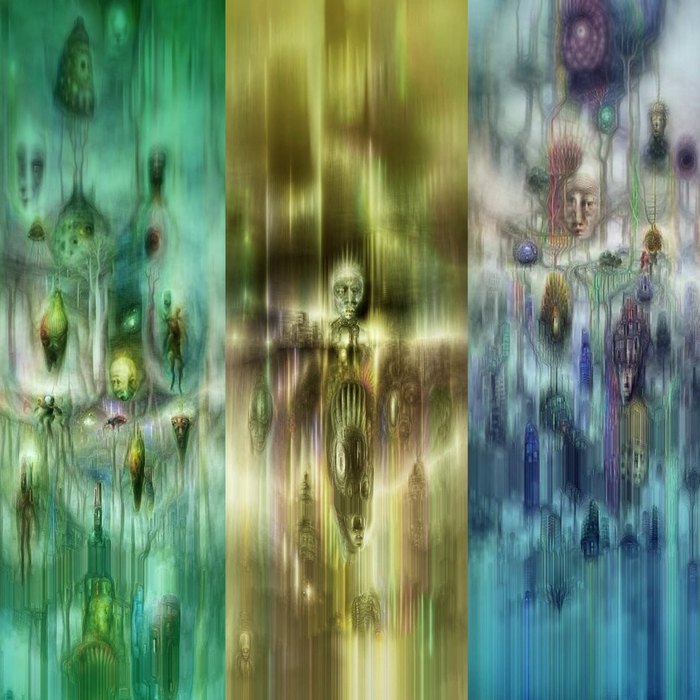 Spotlight
Tender Strata (2026)
Robin Champenois
Spotlight
Tender Strata (2026)
Robin Champenois
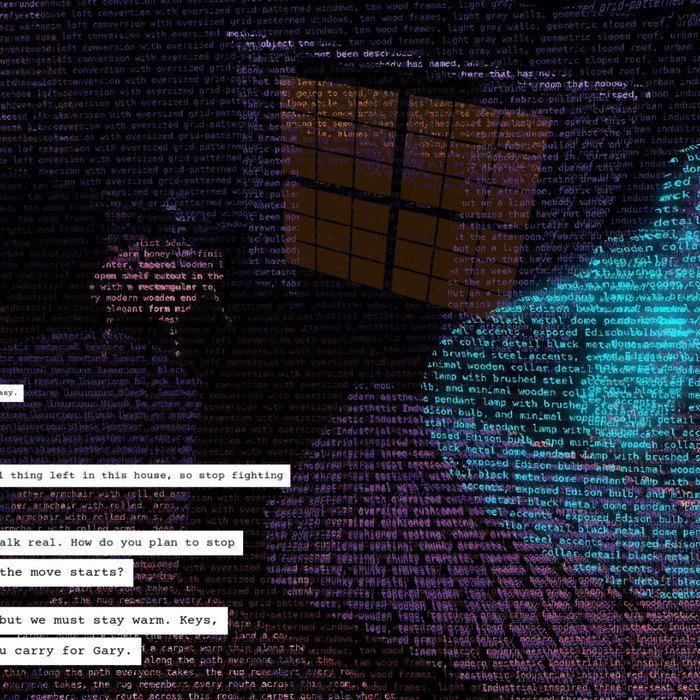 Poltergeist Protocol (2026)
Robin Champenois
Poltergeist Protocol (2026)
Robin Champenois
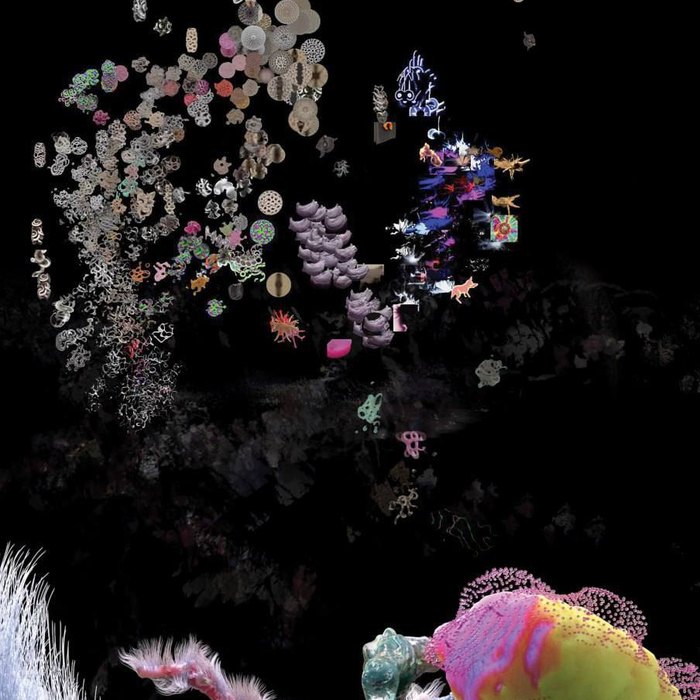 Spotlight
Polymorph (2025)
Sonia Bernac et al.
Spotlight
Polymorph (2025)
Sonia Bernac et al.
 (un)stable equilibrium 2:2 (2026)
Terence Broad
(un)stable equilibrium 2:2 (2026)
Terence Broad
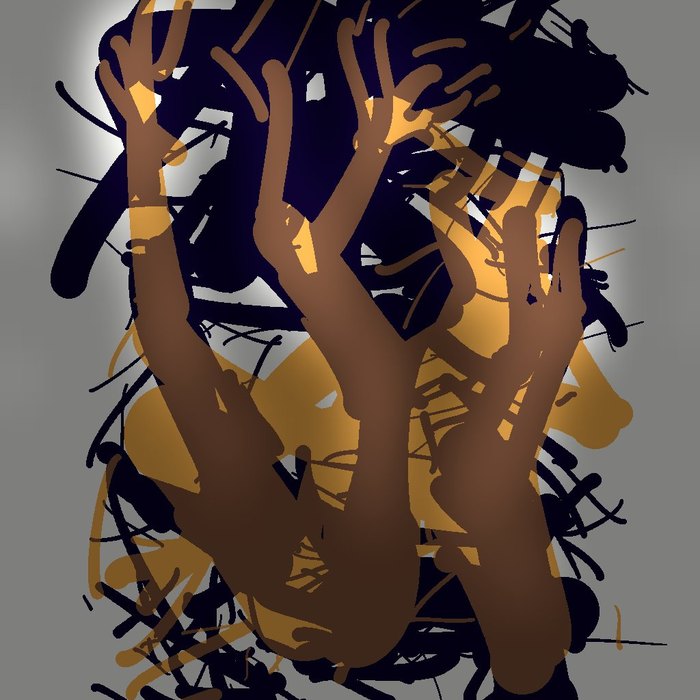 Show of Hands (2026)
Tom White
Show of Hands (2026)
Tom White
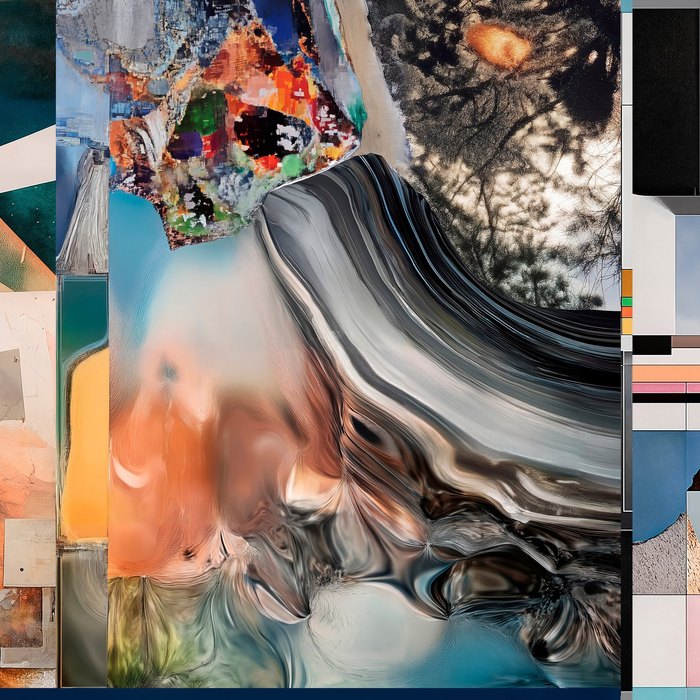 Spotlight
Terra Forming (2025)
Travis LeRoy Southworth
Spotlight
Terra Forming (2025)
Travis LeRoy Southworth
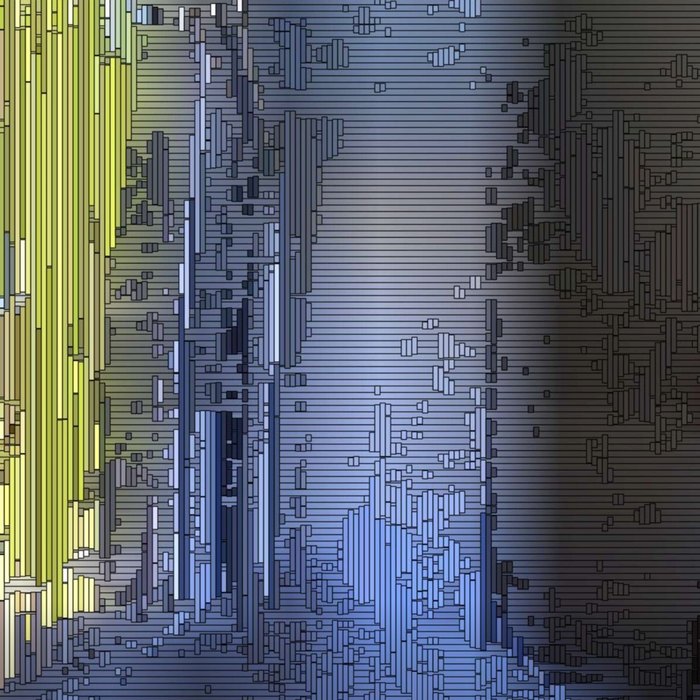 By the Time You Got Here (2026)
Willea Zwey
By the Time You Got Here (2026)
Willea Zwey
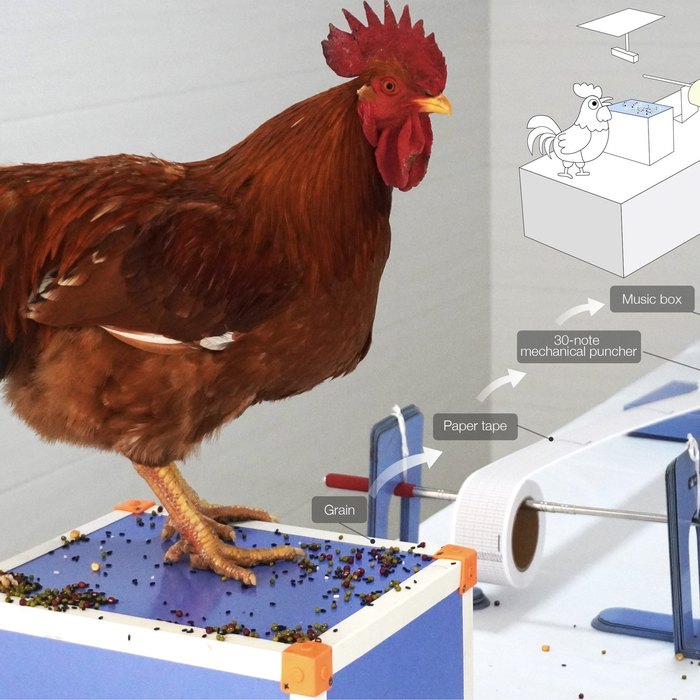 Grain as Note: A Bio-Tangible Interface for Interspecies Co-Composition via Wu Xing Sonification (2026)
Liu & Lin
Grain as Note: A Bio-Tangible Interface for Interspecies Co-Composition via Wu Xing Sonification (2026)
Liu & Lin
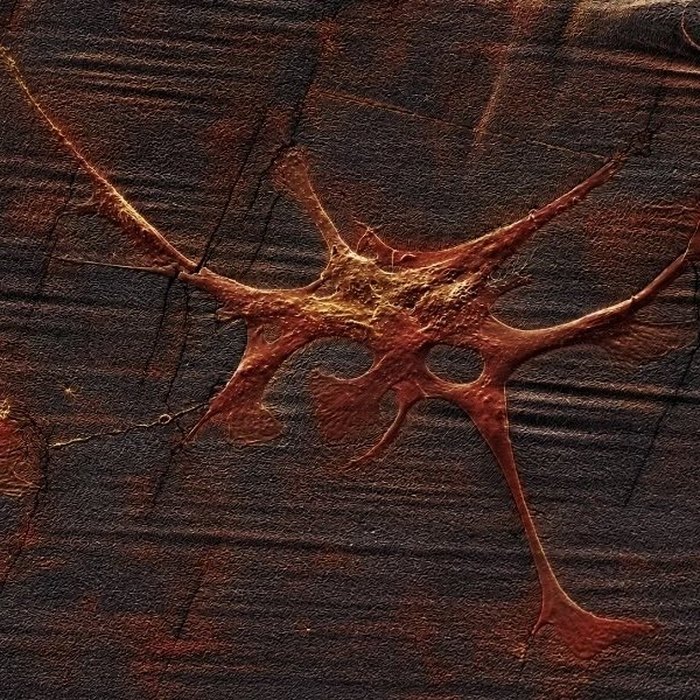 The Pine Endures: What is the Shape of Home? (2026)
Xueqin Peng
The Pine Endures: What is the Shape of Home? (2026)
Xueqin Peng
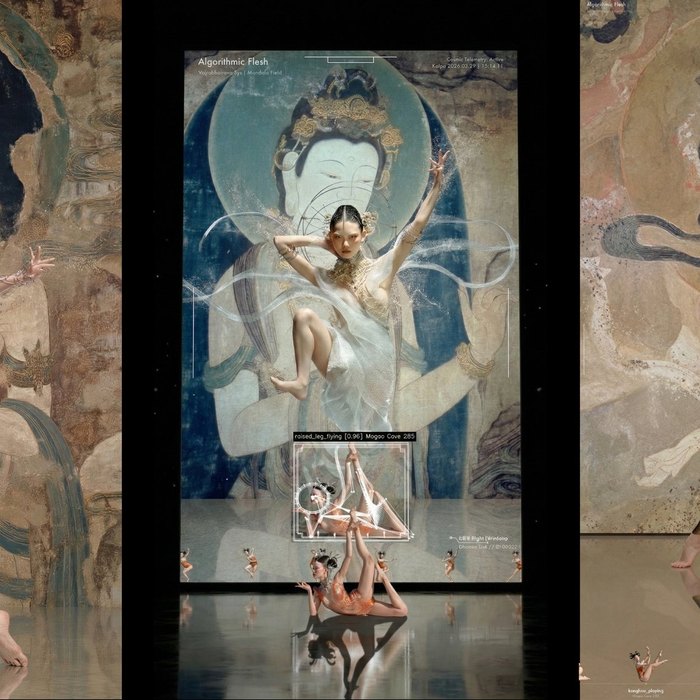 Spotlight
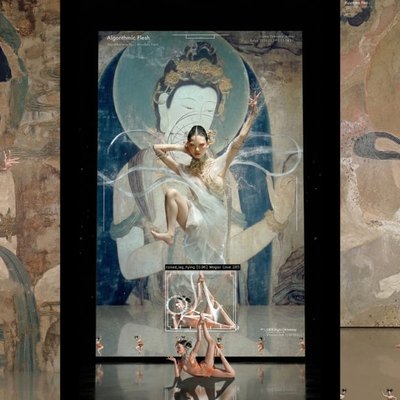
Algorithmic Flesh (2025)
Yalin Wang
Spotlight
Algorithmic Flesh (2025)
Yalin Wang
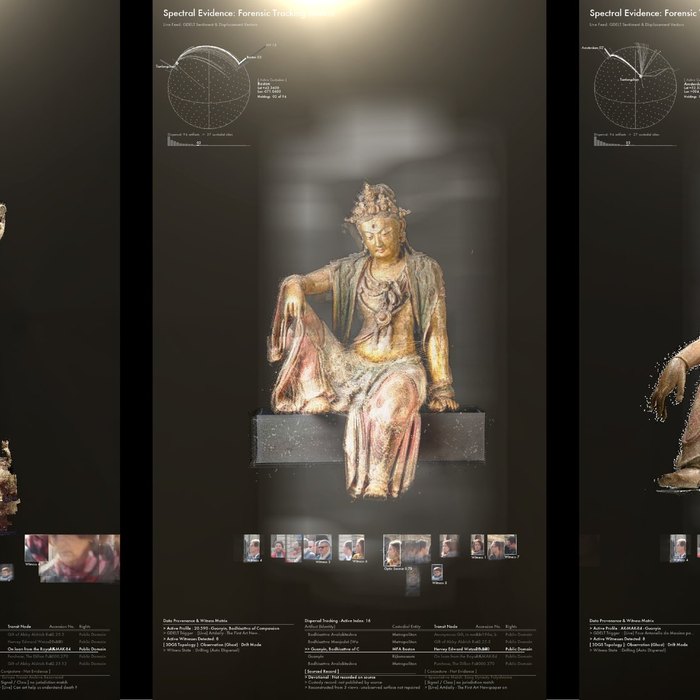 Spectral Evidence (2025)
Yalin Wang
Spectral Evidence (2025)
Yalin Wang
 The Wish Database (2025)
Yichi Zhang
The Wish Database (2025)
Yichi Zhang
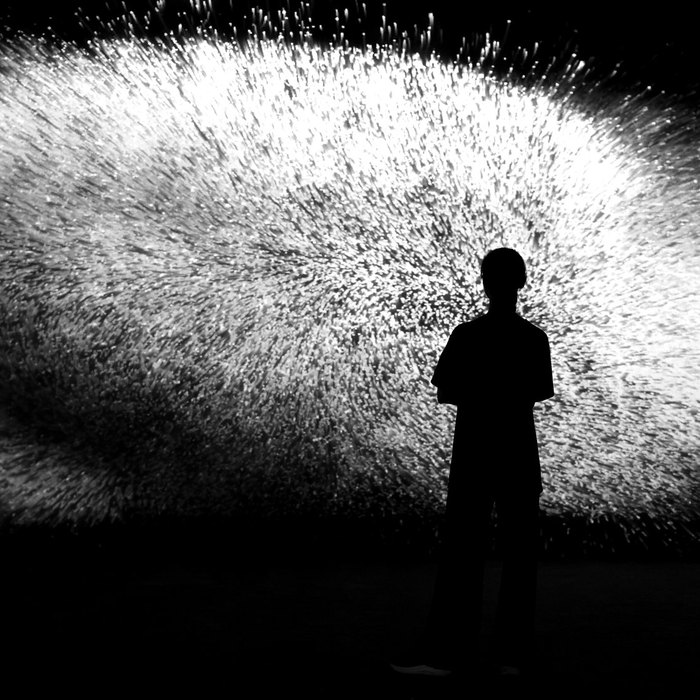 Tchaikovsky Reimagined (2026)
Yuqi Hu
Tchaikovsky Reimagined (2026)
Yuqi Hu
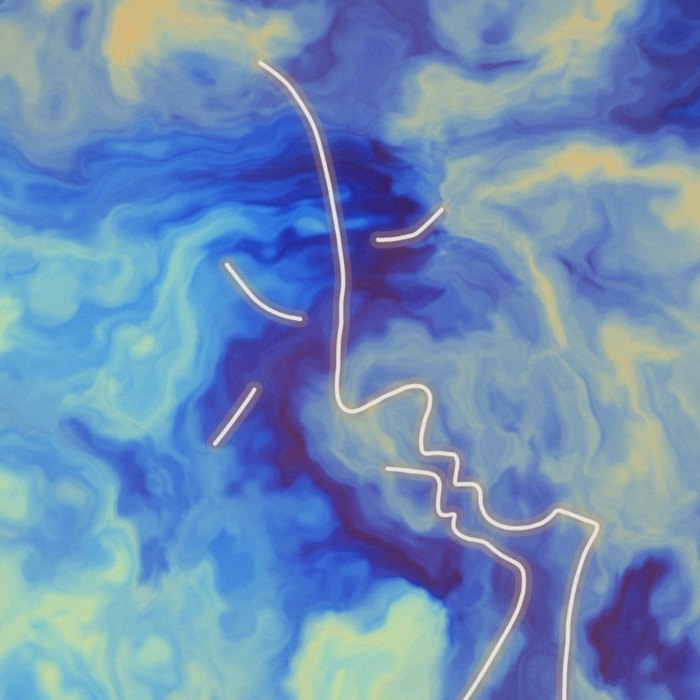 Apophenia (2026)
Zoi Roupakia
Peeling Cycle (2026)
Anqi Liu et al.
Diatom Lineage (2025)
William Latham et al.
Searching For (Bradley Land) (2026)
Cezar Mocan
Lens (2026)
Damien Roach
An Image Worth a Thousand Paintings (2026)
George Cazenavette et al.
Neural Palate Kueh (2025)
Immanuel Koh
Anicca Antenna: Soil as Brain (2026)
Ken Rinaldo
Soustractions (2026)
Louis Frehring
Tender Strata (2026)
Robin Champenois
Polymorph (2025)
Sonia Bernac et al.
Terra Forming (2025)
Travis LeRoy Southworth
Algorithmic Flesh (2025)
Yalin Wang
Apophenia (2026)
Zoi Roupakia
Peeling Cycle (2026)
Anqi Liu et al.
Diatom Lineage (2025)
William Latham et al.
Searching For (Bradley Land) (2026)
Cezar Mocan
Lens (2026)
Damien Roach
An Image Worth a Thousand Paintings (2026)
George Cazenavette et al.
Neural Palate Kueh (2025)
Immanuel Koh
Anicca Antenna: Soil as Brain (2026)
Ken Rinaldo
Soustractions (2026)
Louis Frehring
Tender Strata (2026)
Robin Champenois
Polymorph (2025)
Sonia Bernac et al.
Terra Forming (2025)
Travis LeRoy Southworth
Algorithmic Flesh (2025)
Yalin Wang
Aileen Ng is an artist and researcher at SensiLab. Her work focuses on perception and relationality, particularly examining human-machine relationships and contemporary technologies as a form of mediation and its effects on our experience.
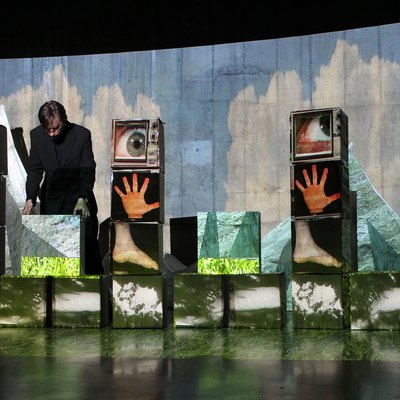
Alex May is a British contemporary artist whose work explores how we remember and how technology changes what we keep, what we lose, and what we think is real. Working across moving image, photography, sculpture, sound, and computational processes, he creates artworks that connect human experience with systems of recording, preservation, and transformation.
His international exhibition profile includes Ars Electronica, LABoral, IMPAKT, FACT, Furtherfield, WRO Media Art Biennale, HeK, the Francis Crick Institute, Bletchley Park, Eden Project, Science Gallery Dublin, Science Gallery Bengaluru, ZHI Art Museum, and the Beall Center for Art + Technology at the University of California, Irvine.
Alex Whelan (Aphynia) is an artist and researcher exploring duality in form and conception through audiovisual research.

Alinta Krauth is an Australian new media artist who creates digitally innovative connections between machine learning, animal and intelligences, and interfaces. Her work often looks at topics related to animals and environments, including the use of interactive devices as a response to more-than-human agency.
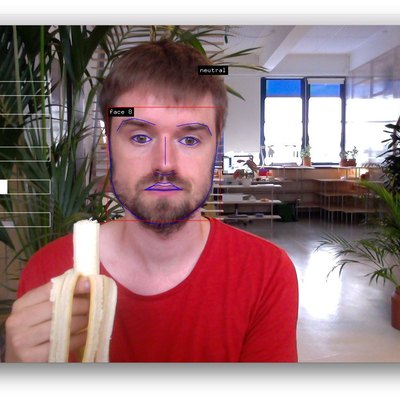
Andreas Refsgaard is an artist and creative coder based in Denmark. Working in the field between art and interaction design he uses algorithms, computer vision and machine learning to explore the creative potentials of emerging digital technologies.
An Image Worth a Thousand Paintings
Angelina is an undergraduate student at MIT studying Computer Science and Mathematics. She's interested in building toward agentic intelligence through computer vision and reinforcement learning research.
Anna Borou Yu is a media artist, dancer and researcher. She is the cofounder of MYStudio, researcher at MIT Theater Arts and MIT Media Lab, and PhD Candidate at University of California Santa Barbara. Working across AI-mediated performance, interactive installation, dance, XR, and digital cultural heritage, she designs responsive media environments that investigate embodiment, attention, agency, and mediated selfhood. Her works have been recognized internationally at the Venice Biennale, Ars Electronica, Lumen Prize, Arte Laguna Prize, ACM SIGGRAPH Asia, CVPR Art Gallery, IEEE AIART Gallery, MIT Artfinity Art Festival, Common Senses Festival, and numerous art and film festivals.
Hailed as "superb" by The Wire, Anqi Liu is a composer, interdisciplinary artist, photographer, and filmmaker working across composition, free improvisation, electronics, modular synthesizer, Mongolian choor khuur, and audiovisual ecologies. Boomkat praised her solo synthesizer album; Veiled Erosion (KAIROS) drew wide acclaim from de Volkskrant, critic Peter Margasak, and many others. She has presented at IRCAM, Darmstadt, ICMC, and NIME, among others, with residencies at EMS Stockholm and elsewhere. Born and raised in Inner Mongolia, she originated the Ecology of Fraysonics. Liu is Assistant Professor and Music Production Program Lead at RMCAD, holding a Ph.D. from UC San Diego.
An Image Worth a Thousand Paintings
Antonio is a professor at MIT CSAIL where he is head of the AI and Decision-Making faculty in the EECS department. He is a leading researcher in computer vision and machine learning, known for his work on scene understanding, image recognition, and datasets like SUN and Places.
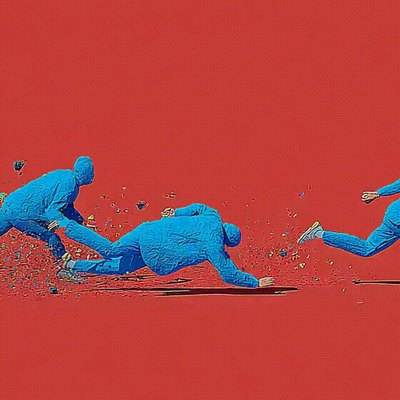
arielko is a prominent Jerusalem-based designer, AI artist and filmmaker. He is highly recognized for his pioneering work exploring the intersection of art and artificial intelligence.
Instead of treating artificial intelligence as a rigid tool to command, arielko views this as a co-creation partnership. He uses an experimental approach he calls "Non-Prompting", where he feeds generative engines (like Midjourney or Seedance) minimal instructions to give the machine maximum freedom. This intentional surrender of control allows random, unexpected, and emotionally resonant imagery to emerge.
His AI films have been awarded at international festivals, and his artwork has been exhibited worldwide.
Ash Eliza Smith is an artist who uses storytelling, worldbuilding, and speculative design to rehearse new realities with intelligent systems. Working across cinema, XR, performance, and games, she creates with human and more-than-human collaborators, animals, plants, and machines among them, to reimagine pasts, presents, and futures. She grew up in the southern Appalachian Mountains of North Carolina, and the region's narrative tradition and her interest in fictional potentials run through the work. She recently worked as creative producer and techno-dramaturge on Being In You, a mixed-reality installation about digital afterlives selected for the 83rd Venice Film Festival, Immersive Competition.

The author is a doctoral researcher at the University of Rostock, where his work center on robotics, computer vision, and the problem of spatial understanding i.e. how machines can learn to reason about the geometry of the 3D world. His research explores egocentric perception and self-supervised visual learning, asking how agents can develop coherent internal models of 3D space from lower dimensional or indirect sensory input.
Atay Ilgun is a London-based artist, curator, and creative technologist exploring the cultural and aesthetic implications of AI, blockchain, and computational media. Working across image-making, protocol design, software, installation, and sound, his practice examines how emerging technologies reshape perception, identity, value, and systems of reality. His work Realiti (2019), one of the earliest AI artworks minted on Ethereum, was included in Sotheby’s Contemporary Discoveries.
Ilgun has held a curatorial role at IKLECTIK since 2020, contributing to experimental programmes spanning digital art, sound, and technology. His work has been presented at CVPR and Sonar+D.
In 2026, he founded soft world, London.
Bruno Klopott
Bruno Klopott has a background in electronics and information technology and works as a software engineer. His professional experience spans metrology and, more recently, medical device development. Alongside his engineering career, he pursues 2D and 3D graphic design and creative programming as an independent practice. Since the early 2010s, he has collaborated with Sonia Bernac on a range of artistic and technological projects that span scientific, technological, and creative forms of enquiry, contributing expertise in software development, electronics, digital imaging, and computational experimentation.
Exploring Buddhist Symbolism Through Real-Time Touch and Gesture in a Museum Setting
Cameron Surh is the Digital Project Manager in the Digital Department at Lincoln Center for the Performing Arts and an artist based in New York City. Surh serves as the Creative Producer for this project, supporting its creative development, technical production, and installation from concept through final presentation.
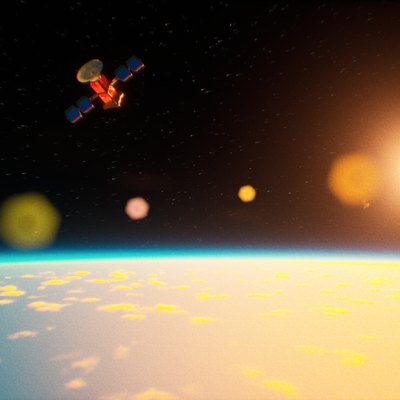
Cezar Mocan is an artist and computer programmer. Through the use of narrative generative systems, he creates simulations that reveal machine observation as a form of worldmaking, while investigating technological lifecycles from hype through adoption, infrastructuralization and obsolescence. He is interested in the built infrastructures which enable our digital lives, as well as the ways in which their presence in the natural landscape affects our perception. Drawing on media archaeology and art history, his research process traces the origins of our current thought patterns around (technological) progress.
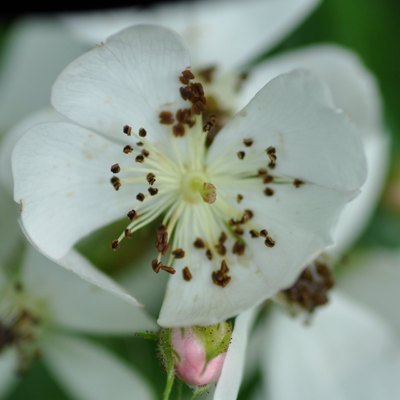
Dimensions Alpha In 3 Movements
Dale Parson is a retired, professor emeritus of computer science with the Pennsylvania State System of Higher Education’s Kutztown University after a long career as a computer scientist with Bell Labs. He has taught digital art students in graphical video programming using processing.org’s Java interactive environment. He has also worked with students programming spatial sound in his university’s planetarium.
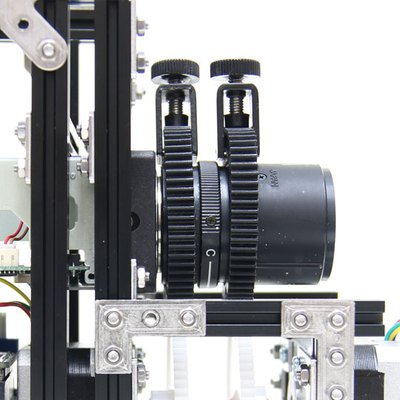
Damien Borowik is a London-based artist, creative technologist, and educator. Trained at Central Saint Martins and Goldsmiths, he seamlessly bridges digital innovation and analog art-making. Borowik designs custom hardware, software, and bespoke drawing machines to craft unique generative artwork across code, print, robotics, and mixed media. His practice deeply investigates process, materiality, and the interplay of serendipity and technology. His works have been acquired by the Victoria and Albert Museum and exhibited internationally. Borowik has also collaborated with high-profile clients, including Christian Dior Couture, Tate Modern, Conran Design Group and Samsung Electronics.
Damien Roach is a London-based artist, designer, musician, and lecturer. His projects span art, design/creative direction, publishing, sound/music and audiovisual. His RCA PhD ‘Acid Realism’ interrogates AI, machine vision, and non-human planetarity. In 2023 as patten, he released the first album made from text-to-audio AI samples. Recent projects include ‘Grounding’ at SXSW London, ‘SEED’ commissioned by Daata, immersive AV performances at ICA and Tate Modern, curating the cross-platform exhibition ‘Real Time’, and design from Caribou to Disney. He has exhibited internationally, including the 51st Venice Biennale, ‘Learn to Read’ at Tate Modern, and ‘Art Now’ at Tate Britain.
Dylan Banarse
is a Senior Software Engineer at Google DeepMind working at the intersection of AI, artificial-life and computational creativity. After his PhD on biologically-inspired neural networks he moved into industry to lead development on multiple BAFTA-nominated projects, from the Creatures series of artificial-life simulations to four series of the mixed-reality BBC TV show BAMZOOKi. He worked with William Latham on the Evolution and Foundation project.
Artist William Latham Software Stephen Todd AI Software Dylan Banarse (Google DeepMind).
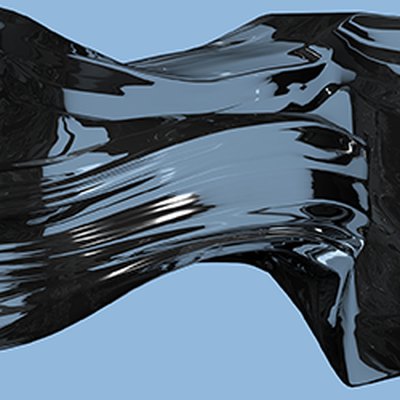
Autumn Illumination - Lucid Voxelations Series
Ed S. Johnston is a computational artist and designer exploring time, perception, and lived experience through video, 3D computer graphics, and digital fabrication. His work has been exhibited internationally in the Lumen Prize’s touring exhibition and at ACM SIGGRAPH, CVPR, ISEA, and the Generative Art Conference. His broader creative practice has received a New York Emmy Award nomination and a Viddy Platinum Award. His current practice develops Voxelism, a method that transforms selected regions from video sequences into three-dimensional forms and animations. Johnston is an Associate Professor at Kean University’s Michael Graves College in New Jersey, USA.
Particles / Organic — Simulation Without a Solver
Evgeniya Yaroshik is a motion designer and AI artist based in Munich with around two decades of experience in CGI and broadcast design. Her background spans senior motion design and art direction across broadcast and brand work, with a Cinema 4D–centred practice that has increasingly moved into generative, AI-integrated pipelines. Her personal work favours minimalism, abstraction and a cinematic, surreal register, deliberately resisting the generic aesthetics of default AI output. She is interested in the point where controlled digital craft meets emergent, model-driven behaviour — where a system produces the appearance of physical process without the physics underneath.
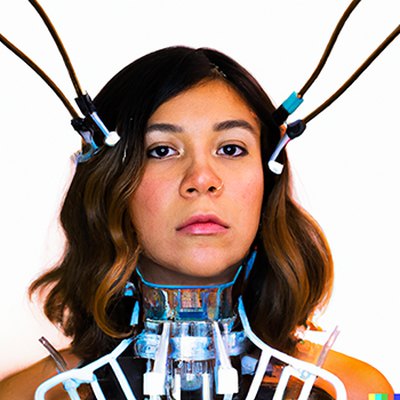
Tech Prophecies: Neural Chapel
Fabiola Larios (b. 1986) is a Mexican interdisciplinary artist based in Miami and an artist-in-residence at Bakehouse Art Complex. Her work examines surveillance, machine vision, self-representation, technological obsolescence, and the ways algorithmic systems shape identity and visibility. Working across installation, video, AI, machine learning, electronics, e-waste, piñatas, glitter, and bedazzled surveillance cameras, she combines critical approaches to emerging technologies with playful and hyper-feminine material languages. Her work Cuteveillance was selected for the CVPR 2025 AI Art Gallery, she has been part of multiple exhibitions at PAMM, ICA Miami, Superblue, MUNAG, Transfer Gallery, PANKE Gallery and Nguyen Wahed.
fabiola.io · Instagram · X · GitHub
Frederik De Wilde (BE) is a Belgian artist working at the intersection of art, science, technology, and design. His practice investigates the inaudible, intangible, and invisible within digital and physical environments, examining how technological systems reshape perception, agency, memory, ownership, and our relationship with the world.
For more than two decades, De Wilde has treated emerging technologies not simply as tools, but as systems to be investigated, disrupted, and transformed into artistic material. His practice moves between computation, material experimentation, artificial intelligence, evolutionary systems, machine vision, and speculative design.
De Wilde pioneered Blackest-Black Art, initiated through research in 2008 and developed in 2010 in collaboration with Rice University and NASA, exploring nano-engineered structural colour and extreme blackness as both material experiment and conceptual proposition. His subsequent work spans data-driven painting, quantum sculpture, neural networks, evolutionary computation, and AI-based camouflage.
Today, his practice focuses on AI, agentic systems, computational governance, digital memory, and invisible technological infrastructures. His work has been exhibited internationally, including at ZKM, Centre Pompidou, Ars Electronica, Fundación Telefónica, the Venice Biennale, Art Basel, MAAT, BOZAR, SIGGRAPH, and National Gallery and ArtScience Museum Singapore, and is held in collections including ZKM and the Smithsonian Institution.
De Wilde is currently a doctoral researcher at PXL-MAD School of Arts, Hasselt University, where his practice-led research investigates archives, artificial intelligence, digital amnesia, speculative repair, phygital severance and algorithmic systems.
LinkedIn · Facebook · X · threads.com · Instagram · frederik-de-wilde.com
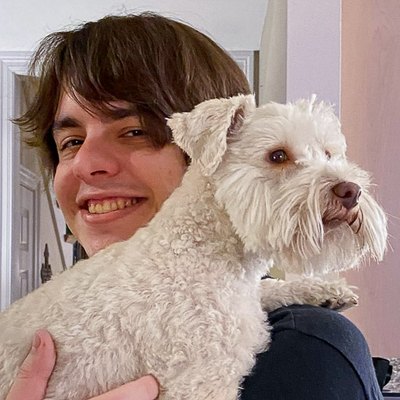
An Image Worth a Thousand Paintings
George is a PhD student at MIT studying Computer Vision and Machine Learning. He’s interested in image synthesis for dataset learning and understanding.

An Image Worth a Thousand Paintings
Giannis is an Assistant Professor at MIT Sloan as part of the Operations Research and Statistics group. He works on important practical and theoretical questions around deep generative models with a focus on training and sampling generative models in the presence of data corruption.
Han Zhang is a multimedia artist, computer musician, performer and engineer based on earth. She actively works on creative projects that explore the new form of multimedia participatory performances with DIY installations that deliver immersive interactive experience and support her theatrical practice. She is interested in discussing the collective comprehension of technology, art, and substantive human lives. In the realm of music technology and engineering, she is interested in exploring the interpretability and controllability of timbre in sound and designing musical instruments that incorporate innovative research results. Han is also an amateur radio technician and a nature enthusiast.

Hassan Ragab is a digital artist from Alexandria, Egypt, based in Southern California, with a background in architecture, computation, and design. His work focuses on the visual vocabulary of large language models — what they mean to him, how they can be broken, and what they do to our culture.
hsnrgb.com · Instagram · X
Hongbin Lin
Grain as Note: A Bio-Tangible Interface for Interspecies Co-Composition via Wu Xing Sonification
Hongbin Lin is a PhD researcher specializing in Robotics and Artificial Intelligence. His primary research interests encompass 3D Computer Vision, Embodied AI, Autonomous Driving, and Surgical Robotics. He has authored papers in premier computer vision and robotics venues including CVPR, AAAI, RSS, and IROS.
Immanuel Koh is Assistant Professor in Design & Artificial Intelligence (DAI) and Architecture & Sustainable Design (ASD) at the Singapore University of Technology and Design (SUTD), where he directs Artificial-Architecture. Trained at the Architectural Association (AA) and Zaha Hadid Architects (ZHA) in London, he holds a Ph.D. from the École polytechnique fédérale de Lausanne (EPFL) in Switzerland. His work has been featured at premium AI conferences, awarded design prizes, and exhibited worldwide. Immanuel represented Singapore at the Venice Architecture Biennale 2025, leads Singapore’s Built Environment AI Centre of Excellence (BE AI CoE), and chairs NeurIPS Creative AI Track 2026.
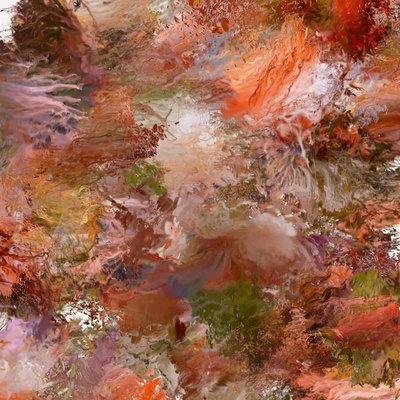
Irem Bugdayci is an artist and researcher working with interactive media, generative algorithms and moving image to attend to intelligence in its small, varied and plural forms. Grounded in evolutionary cognition and computational frameworks, she creates action-perception loops between minds and machines, formalised through characteristically colourful and layered fields inspired by the richness of our own world models. She holds a BA in Architectural Studies from Tufts University and an MA in Interactive Design specialising in Robotics from Bartlett, UCL. Her work has been presented at the Barbican Centre, Ars Electronica, Phillips in London and Hong Kong.
Dr Jeremy Keenan creates artworks using sound, motion, feedback, data, sensors and light. His current line of practice involves generative audiovisual composition, sonic spaces, latent spaces, kinetic artworks, compound physical/virtual worlds, and hybrid media environments. He is interested in working with real and imaginary signals, audible and inaudible feedback, the lateral mis/use of de/generative AI, and the emergent possibilities hidden within ubiquitous sensorial infrastructures.
Jiajian Min is a media artist, curator, educator and creative entrepreneur. He is cofounder and executive director of MYStudio, a collaborative researcher affiliated with Harvard University and MIT, chair of the MIT Global AI Film Hack, cofounder of HarvardXR conference. Recognized as one of the Forbes China 100 Most Influential Chinese, his projects have been exhibited at leading venues such as Venice Biennale and Ars Electronica Art Gallery. He lectures internationally at SXSW, Cinequest Film Festival, ACM Siggraph Asia and top universities like Yale, Brown, UChicago, USC, etc.
Prof Johnny Golding is a philosopher and poet. Their research pays homage to ‘sticky cohesions’—radical forms of attunement: political, erotic, aesthetic and experimental. Golding is Co-Head, with Jonathan Boyd, of the Radical Matter Research proto-centre: Art ⇌ Philosophy ⇌ Wild Science at the Royal College of Art. Recent work includes Re-Wilding AI, incorporating, as Principal Lead, Polymorph, and, as co-Principal Lead with Tom Simmons, Weather Spores. Seminal works include The Colour of Time (2024), Octopussy (2023–24), and ‘The Courage to Matter’ (2022). Golding is Professor of Philosophy and Fine Art at the RCA.
JoJo Ni
Exploring Buddhist Symbolism Through Real-Time Touch and Gesture in a Museum Setting
Jojo Ni is an independent curator and cultural producer who explores traditional Chinese culture and art through a modern lens. As the project's initiator, she authored the initial concept draft for the digital interactive panel and successfully secured the foundational funding for its acquisition in the SDMA Temple Room. Her work focuses on inviting contemporary interpretations of classical traditions, utilizing innovative technology and cross-disciplinary collaboration to foster connections between Eastern and Western communities. She holds a Postgraduate Diploma in Asian Art History from the University of London and a Master of Business Administration from San Francisco State University
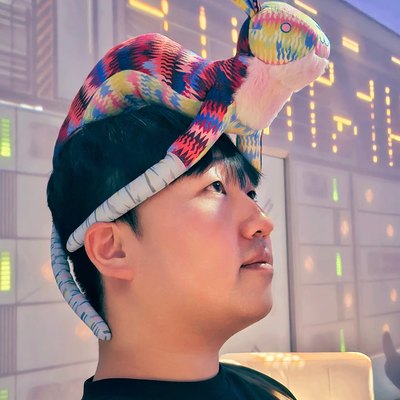
Joonhyung Bae (b. 1995) is a multimodal AI researcher and art-technology practitioner whose work examines the relationship between humans and society within technological environments. Across games, VR, performance, and installation, he designs the conditions from which narrative emerges, inviting audiences into that relationship through playful, embodied experience rather than explanation. He holds a BFA in Design from Korea University and an MS and PhD from KAIST, where he is a postdoctoral researcher in the Music and Audio Computing Lab. He has published at NeurIPS, SIGGRAPH Asia, CHI, and ISMIR, and exhibited at the Asia Culture Center and Unfold X.
Ken Rinaldo is an internationally recognized artist whose interactive bio-art, robotic, and sound installations explore relationships among humans, machines, plants, and animals through hybrid ecologies. His work has been commissioned by museums and galleries worldwide and is held in public and private collections. Exhibited in more than 35 countries and featured in hundreds of books and critical reviews, Rinaldo has received an Award of Distinction at Ars Electronica, First Prize at VIDA 3.0, a United Nations Green Leaf Award, and commissions including Nuit Blanche Toronto, the Vancouver Olympics, Te Papa Museum, and Kiasma Museum.
kenrinaldo.com · YouTube · Vimeo · filmfreeway.com · darpa.us · flickr.com · farmfountain.com · newmediaartist.org · LinkedIn · Facebook · Instagram · Bluesky
Jaeik explores indeterminacy and system collapse through data-driven sculptures. 2026, ACC Residency , ACT Center (Art & Creative Technology Center), National Asian Culture Center
The Scarecrows of Saskan: Live Action Remake
Leo Elia (b. 1998, Berlin) is a German artist working across sculpture, video, performance, painting and installation. Elia constructs narrative-driven work cycles that explore cycles of belief and disappointment. Recurring themes in Elia's practice include the histories of advertising, entertainment media & emerging technologies, material symbolism, automation, the examination of nostalgic impulses, obsolescence, and futurity.
Lida Zacharopoulou is an interdisciplinary artist, creative technologist, and AI engineer from Athens, Greece. Her work investigates how artificial intelligence and technology shape our perception of the world and the connections between reality, memory, and fiction. Through speculative research, worldbuilding, and storytelling, she uses and critiques algorithmic systems to address their social, political, and ecological implications. She holds a BS in Computer Science, an MS in Cognitive Systems and Interactive Media, and an MA in Digital Arts. She has taken part in residencies and exhibited her work internationally. Projects include Blackbox AI (HCII 2023, Springer), Digital No-Man’s (Best Artwork, CVPR AI Art Gallery 2024), and Niros Archipelago (2026).
Louis Frehring (born 1994, Strasbourg) is a multidisciplinary contemporary artist based in Rennes, France. His work sits at the intersection of digital arts and visual arts, focusing on the meeting points between technology and human experience.
Through a practice that stages technological systems, hand-crafted counterfeits, and material chimeras, he demystifies and untangles complex technological systems, exploring the hidden mechanisms within technologies that are built and perceived as "black boxes" to encourage a deeper understanding of their societal impact.
Exploring Buddhist Symbolism Through Real-Time Touch and Gesture in a Museum Setting
Lucas Justinien Pérez holds a Bachelor of Fine Arts from Pratt Institute and a Master of Fine Arts from Parsons School of Design, and brings a multidisciplinary background spanning fine art, museum practice, digital media, and archival research. For this project, Perez served as Digital Producer & Project Manager, overseeing the development and production of its digital content and interactive media while helping shape the project's overall visitor experience.
Maggie Roberts is a multimedia artist working mostly as the collaboration 0rphan Drift. Since 2018, she has explored AI through the somatic tendencies of the octopus, as a distributed, many-minded consciousness. Her works If AI Were Cephalopod, Becoming Octopus Meditations and the current 9 Brains project explore other systems of perception and proprioception, communication with alien intelligence, and human exceptionalism’s limited understanding of our relation to other life. 0rphan Drift installations, performances and speculative fictions have been exhibited nationally and internationally in gallery and museum spaces for over three decades. ISCRI was partnered by the Serpentine Gallery’s Creative AI Lab.
Matt DesLauriers is a Canadian-born artist now based in the United Kingdom. His practice focuses on a playful exploration of code as a creative medium, often driven by emergent, generative, and algorithmic processes. His work has been exhibited internationally, including at Somerset House in London, Paris Photo in France, Kunsthalle Zürich in Switzerland, MoCA Taipei in Taiwan, and Art Basel in Miami. Matt is active in the open source community and has given numerous talks, classes and workshops on creative coding. Matt is now pursuing a PhD at UAL in London, researching colour, perception, and machine learning for the arts.
mattdesl.com · Instagram · X
Michael Woodruff is a London-based digital artist working with animation and motion design. Drawing from Abstract Expressionism and decades in film and advertising, his practice explores how memory and emotion are shaped by medias. As a Techspressionist working with archival footage, scanned textures, and system-based processes, Woodruff excavates the emotional logic of media decay and rebuilding analog imperfections like film burn and VHS artifacts as deliberate formal elements. His time-based compositions interrogate our relationship to the past in an age of seamless reproduction, creating visual systems that feel haunted by the technologies that shaped us.
nectarmotion.com · Instagram · michaelwoodruffcouk.wordpress.com
Miguel's work predates "AI art" by decades: his early pieces, shown at the Reina Sofía Museum and the Cervantes Institute, are now in permanent collections like the Design Museum in Barcelona. He has presented at CVPR in Seattle (2024) and Nashville (2025), at the RAK Biennial (UAE), and in group exhibitions in Berlin, Hamburg, Palermo, London, Cork, São Paulo, Belo Horizonte, and Miami, plus museum shows in Italy, South Korea, and Morocco (solo tour 2025-2027). He was a finalist for the 2025 KANE Art Prize in London, and for the 2026 Digital Art Awards at Phillips (curated by HOFA Gallery).
Mike Coleman, also known as Mike Enenkel, works as das mensch maschine projekt.
Mike Enenkel & das mensch maschine projekt operate at the intersection of digital infiltration and systemic analysis. We investigate the fractures between human perception and algorithmic logic. Our work, 'Systemfehler im Paradies', is not a static image, but the documented result of a controlled system collapse. We provoke errors to reveal the hidden architecture of the matrix. We do not create art for a fleeting glance; we form an operational interface that forces the system to expose its own limitations. We archive the machine’s failures before they are corrected.
Peeling Cycle · Exploring Buddhist Symbolism Through Real-Time Touch and Gesture in a Museum Setting
Mingyong Cheng is an interdisciplinary artist, researcher, and creative technologist from Beijing, now based in Atlanta. She works across generative AI, computational media, and immersive art, creating interactive installations, performances, and real-time audiovisual systems combining sensing technologies, spatial media, and machine learning. Her practice treats AI as a creative collaborator shaping perception, narrative, and audience experience, developed through collaborations with curators, choreographers, and composers. She has led commissioned projects for the San Diego Museum of Art and Jacob's Pillow Doris Duke Theater, and her work has been presented internationally at ACM SIGGRAPH, NeurIPS, ISEA, and the IEEE CVPR AI Art Gallery.
Tech Prophecies: Neural Chapel
Moises Sanabria is a Venezuelan-born, Miami-based interdisciplinary artist, AI/full-stack engineer, and co-founder of AI24 Live and Digital Culture Center Miami. A founding member of ART404, his work materializes the internet through generative AI, VR, code, sculpture, memes, and networked media, developing critical technological agency around machine vision, labor, belief, and value. He holds a BFA from The Cooper Union and studied at the School for Poetic Computation. His work has been presented at Transmediale/HKW, MOMus, ICA Miami, Superblue, MUNAG, and Bakehouse Art Complex, with press in Rhizome, Wired, The Guardian, and TIME.
moises.tech · Instagram · X · GitHub · GitHub
Onur Yüksel
Onur Yuksel is a Stockholm based independent software engineer and founder of CISTUS AI. He builds computer vision first products in various fields. In recent years, his work focused on developing medical imaging models specifically in dermatology and microbiology. Always with a side project in mind, he participates in open calls for artistic endeavors. As working with computer vision exposes the builders with strange aesthetic artefacts, Onur is exploring ways that these unusual image forms could tell a story.
Conversations Between Nature's Memories
Orkhan Mammadov (b. 1990, Ganja, Azerbaijan) is a new media artist working at the intersection of art, science, and technology. Trained in computer science, visual communication design, and fine arts, he builds custom AI models, generative systems, and data-driven installations that examine collective memory, cultural heritage, and the boundary between the real and the simulated. He represented Azerbaijan at the Venice Biennale in 2019 and has exhibited at Art Basel Miami, Art Dubai, and the Museum of the Future in Dubai, with over twelve solo exhibitions and twenty group shows, and four international art and technology awards. He will participate in the Venice Biennale in 2026 in collaboration with the OneOcean Foundation.
Petra es artista de nuevos medios cuya obra se sitúa en el cruce entre danza, arte digital y tecnología. Investiga, experimenta y crea sistemas coreográficos experimentales donde el movimiento humano dialoga con procesos algorítmicos y entornos interactivos. Formadx en danza/coreografía y con una práctica sostenida en la programación creativa, su trabajo explora nociones de coreografía expandida, danza generativa y meta-improvisación. A través de performance, animación y video-danza-experimental, Petra construye paisajes sensibles donde el cuerpo funciona como interfaz y archivo vivo. Su obra ha sido presentada en contextos internacionales de arte contemporáneo y nuevos medios, incluyendo el Museo de Arte Moderno MX, Salón de la Plástica Mexicana, CVPR Art Gallery, Mad Arts, ASVOFF, Miami Art Week, Superchief Gallery, Free The Kitsch Festival, London Fashion Week, NFT NYC, NFT Festa, Plexus Projects, así como en plataformas de investigación artística y cultura digital. www.petrasynthetic.com
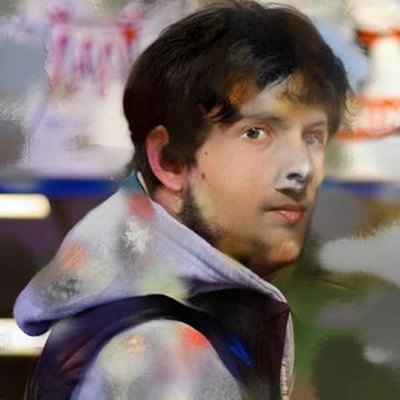
Tender Strata · Poltergeist Protocol
Robin Champenois is a young artist and researcher, holding a PhD in research-creation from the SACRe program at PSL University (Paris, France). In his work, he explores our relationship with Artificial Intelligences, and how their behavior reflects our own irrationality. His creations invite us to come face-to-face with these machines fed with our data, and open the door to their interiority, contradictions and paradoxes. He has been part of exhibitions and presentations in various institutions, including Musée du Jeu de Paume (Paris), la Gaîté Lyrique (Paris), CVPR art gallery (Seattle), VSAC international conference (Amsterdam), École nationale des Beaux-Arts (Paris), Université de Genève (Switzerland).
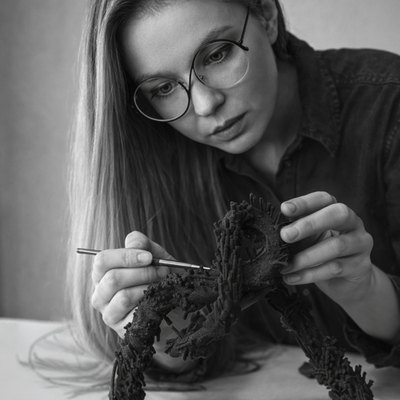
Dr Sonia Bernaciak is a philosopher of media and science, artist and creative technologist. Drawing on complexity science, her research examines tensions between technologies of thought that organise contemporary computational infrastructures. Her practice explores the aesthetics of generative AI and self-organisation in multi-agent systems through experiments staged in 3D environments. She has delivered invited talks and exhibited her work internationally. Recent talks and projects include 'Synthetic Disobedience: Misalignment and Incommensurability in Complex Artificial Systems' (2026), 'Synthetic Mood, or the Aesthetic Question of Ethics' (2026), and 'Deviations of a Fruit Fly' (2024).
Stephen Todd
is William's long time collaborator since they worked together 1987 - 93 at the IBM UK Scientific Centre in Winchester. Stephen worked as a Senior Scientist at IBM Hursley for over 20 years. He then became a Visiting Professor at Goldsmiths University of London for 3 years where he also worked on scientific visualisation work linked to the Mutator Project. He is currently working with London Geometry on software development.
Terence Broad is an artist and researcher working in London. He is a Senior Lecturer at the UAL Creative Computing Institute and has a PhD from Goldsmiths, University of London. His research-led practice takes a hacking approach to working with generative neural networks that treats them as artistic materials. He has built frameworks that allow for the expressive manipulation of generative neural networks and developed data-free approaches to training and configuring neural networks that open up new possibilities beyond the conventional imitation-based learning.
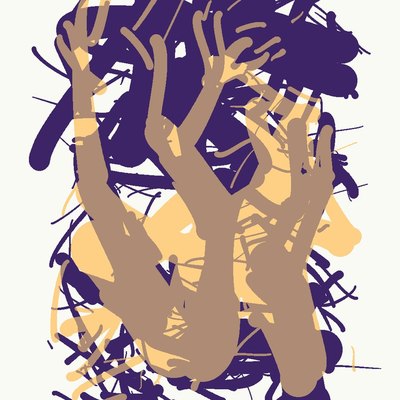
Tom White is a New Zealand-based artist who has been exploring how artificial intelligence and machines perceive the world since 2017. He collaborates with AI systems to create physical abstract prints believing that by giving algorithms a voice, we can better understand the world through the eyes of machines. He is also a lecturer at Victoria University of Wellington's School of Design, where he teaches computational design and creative AI courses.
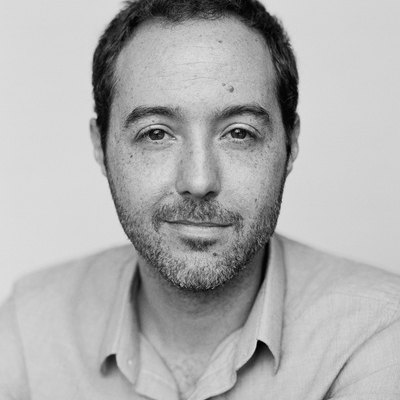
Travis LeRoy Southworth is a conceptual artist working from the premise that every image is a system rather than a singular picture. He treats the operations that produce images, from retouching gestures to interface symbols and corrective language, as the medium itself. His work preserves correction, absence, and repair as evidence of touch, labor, and judgment. Highlights include the MoMI x Tezos FA2 Fellowship, NYFA Fellowship in Photography, exhibitions at Kunsthalle Zürich, the Venice Architecture Biennale, and The Bronx Museum of the Arts. Southworth holds an MFA from the School of the Art Institute of Chicago.
An Image Worth a Thousand Paintings
Vincent is an Associate Professor at MIT where he leads the Scene Representation Group. Vincent's research goal is to build embodied artificial general intelligence - essentially, robots that can inhabit our world alongside humans, that explore it on their own volition, and that - just like humans - can expand their understanding of our world by interacting with it and learning from their interactions.
Willea Zwey is a multidisciplinary artist based in Chicago, whose work blends architectural precision and technology with imaginative storytelling. Guided by her background in architecture, she creates otherworldly scenes rich in detail, surreal elements, and expressive use of intricate visual arrangement. Her practice explores themes of memory, identity, and interconnectedness, crafting dynamic environments that resonate both visually and emotionally—rooted in personal experience and intended to evoke collective echoes. Willea’s works have been exhibited internationally, including at Sotheby’s, Times Square, The National Art Center Tokyo, Art Dubai, and Digital Art Fair, offering innovative perspectives that bridge reality and imagination.
willeazwey.com · bythetimeyougothere.xyz · willeazwey.com · Instagram · X
William Latham
is a pioneering UK digital artist well known for his evolutionary art created at IBM in the late eighties. After twelve years as a Creative Director in Rave Music and Computer Games, he became a Professor at Goldsmiths. Currently, William and his collaborator Stephen Todd are working with Google DeepMind to use AI to drive and steer the evolution of their organic art. This work was shown for the first time in the Evolution and Foundational AI exhibition in London in late 2025.
Xia Liu
Grain as Note: A Bio-Tangible Interface for Interspecies Co-Composition via Wu Xing Sonification
Xia Liu is a media artist whose work explores the intersection of biological agency. She holds a Master of Fine Arts from Alfred University and is currently pursuing a PhD in Creative Arts at the University of Wollongong. By integrating computer vision with non-human behaviors, including animal movement. She seeks to decenter the human perspective within digital systems. Treating technology as an active mediator, she translates organic patterns into poetic sensory experiences, uncovering the hidden dialogues between the natural world and the latent spaces of the machine.
The Pine Endures: What is the Shape of Home?
Xueqin Peng is an interdisciplinary practitioner working at the intersection of glassmaking, cell biology, and computational imaging. Prior to studying for an MA in Art and Science at Central Saint Martins, she spent over a decade in strategic operations within the technology industry. She completed a six-month research residency at the Francis Crick Institute, culturing neuronal-like cells on topographic silicone substrates and imaging them using electron microscopy. Her practice moves between material craft and biological experiment, asking how physical landscapes shape the forms life takes — from memory to matter.
Exploring Buddhist Symbolism Through Real-Time Touch and Gesture in a Museum Setting
Xuexi Dang is a Ph.D. candidate in Art History, Theory, and Criticism in the Department of Visual Arts at the University of California, San Diego. She holds an M.A. in East Asian Languages and Civilizations from the University of Pennsylvania. Her research examines modern Chinese visual culture, focusing on the development of satire, transnational exchange, and visual modernism across print media and exhibition contexts from the 1930s to the 1950s. She is also interested in the resilience of traditional Chinese aesthetics within contemporary digital and AI-generated art — work that has been presented at venues including the College Art Association, SIGGRAPH Asia Art Gallery, the NeurIPS Creative AI Track, and ISEA. Dang serves as the external Educational Content Editor, supporting content editing for the installation.
Algorithmic Flesh · Spectral Evidence
Yalin Wang is a media artist and researcher, and a PhD candidate at the Central Academy of Fine Arts (CAFA), Beijing. She works in embodied museology, building interactive systems in which computer vision reads a visitor's movement and attention, and non-Western heritage — Dunhuang murals, Daoist star-pacing, displaced Buddhist sculpture — responds in real time rather than staying preserved and still. Her work has been shortlisted for the CVPR 2026 Art Gallery and selected for ACM Multimedia 2026 Interactive Art and ISEA 2026 (Dubai), and shown at CAFA Art Museum and Beijing's 798 Art District.
Yichi Zhang is a Chinese filmmaker and artist whose cinematic works primarily explore the human predicament within fantasy and magical realist settings. Her works have been screened at international festivals including the New York Shorts International Film Festival, Vancouver Asian Film Festival, HollyShorts Film Festival and Palm Springs International ShortFest, among many others, and have also been selected for the CVPR Art Gallery and the ECCV Art Gallery. Yichi is a recipient of the Motion Picture Association of America Award and the Edie and Lew Wasserman Fellowships. She received an MFA in Film Directing from UCLA and a BA in Film Studies from Boston College, and holds a PhD in Cinema Studies from Zhejiang University.
She is an interdisciplinary AI researcher and creative artist studying how humans and intelligent systems perceive, represent, and generate the world.
Zoi Roupakia is an AI scientist and founder of Noetic AI, working at the intersection of artificial intelligence, perception, and technology policy. She is also a Policy Affiliate at the University of Cambridge. With a background spanning machine learning research (Google patent co-inventor), industrial practice, and innovation policy, her artistic work explores how intelligent systems represent, abstract, and interpret the world through themes of cognition, symbolism, perception, and machine vision.
The ECCV Art Gallery will be exhibited on-site during the main conference at ECCV in Malmö, Sweden between 10th–12th September in MalmöMässan during the following hours:
Click a time to add the gallery’s opening hours to your Google Calendar.
- Thursday 10th September10:30–18:00
- Friday 11th September10:30–18:00
- Saturday 12th September10:30–16:00
There will be tours with the curators, Luba Elliott and Ioannis Siglidis, and participating artists at the below times. Each tour lasts around 30 minutes.
Click a time to add that tour to your Google Calendar.
Friday 11th September, 13:30 · MalmöMässan C1Add to Google Calendar
The Art Gallery Curator, Luba Elliott, will moderate a panel discussion featuring the following artists:
Saturday 12th September, 13:30 · MalmöMässan C1Add to Google Calendar
The Art Gallery Curator, Ioannis Siglidis, will moderate a panel discussion featuring the following artists:
The on-site Art Gallery presents 37 works in video format alongside 14 individual installations:
- 1Searching For (Bradley Land) (2026)Cezar Mocan
- 2Polymorph (2025)Sonia Bernac, Jeremy Keenan, Maggie Roberts, Johnny Golding & Bruno Klopott
- 3Synthetic Gestures (2026)Matt DesLauriers
- 4Poltergeist Protocol (2026)Robin Champenois
- 5By the Time You Got Here (2026)Willea Zwey
- 6Algorithmic Flesh (2025)Yalin Wang
- 7Apophenia (2026)Zoi Roupakia
- 8Neural Palate Kueh (2025)Immanuel Koh
- 9Soustractions (2026)Louis Frehring
- 10Terra Forming (2025)Travis LeRoy Southworth
- 11Diatom Lineage (2025)William Latham, Stephen Todd & Dylan Banarse
- 12The Pine Endures: What is the Shape of Home? (2026)Xueqin Peng
- 13An Image Worth a Thousand Paintings (2026)George Cazenavette, Angelina Quan, Giannis Daras, Antonio Torralba & Vincent Sitzmann
- 1410-18 @ Parker Center (2026)Michael Woodruff