
1 / 7
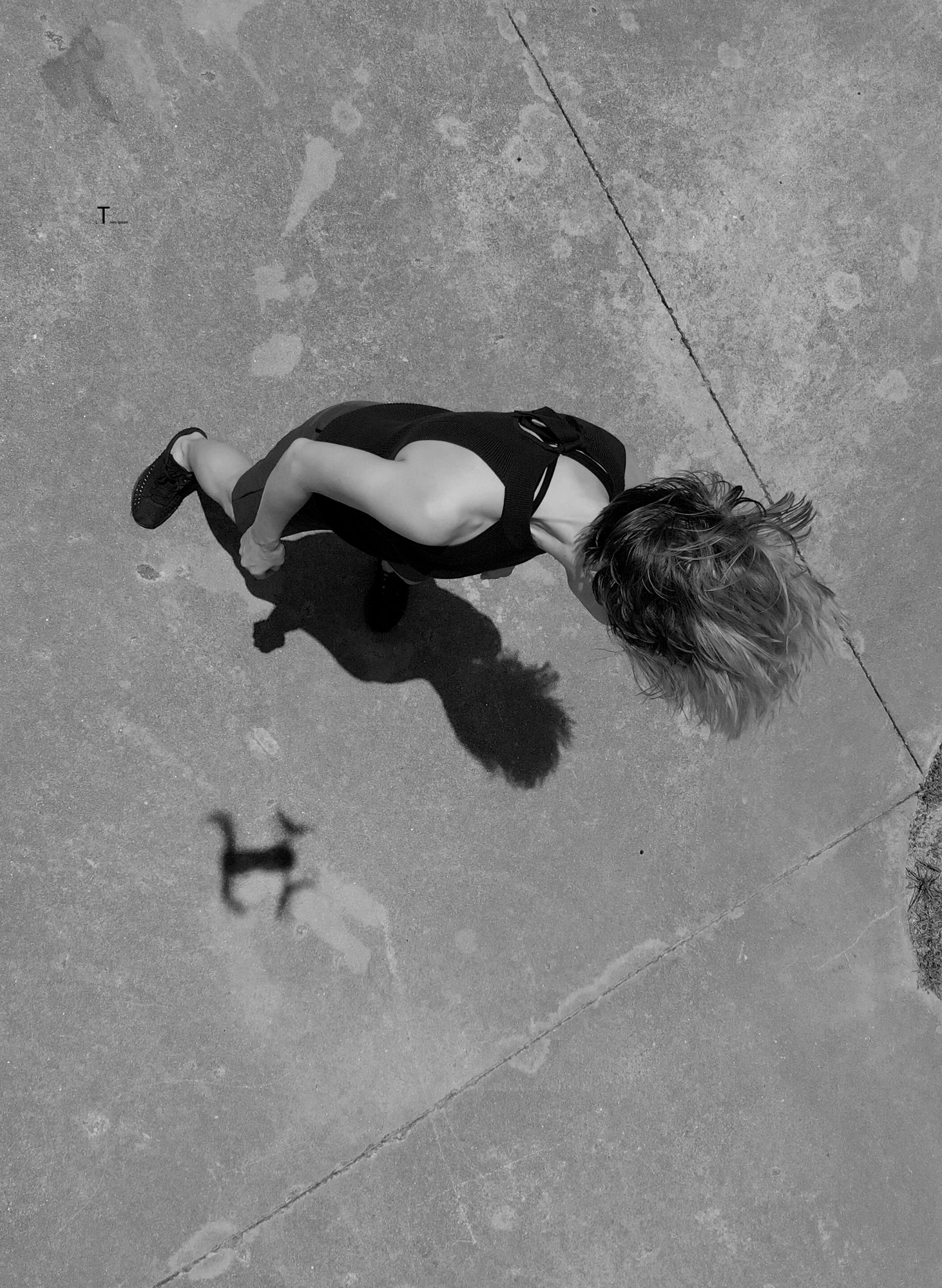
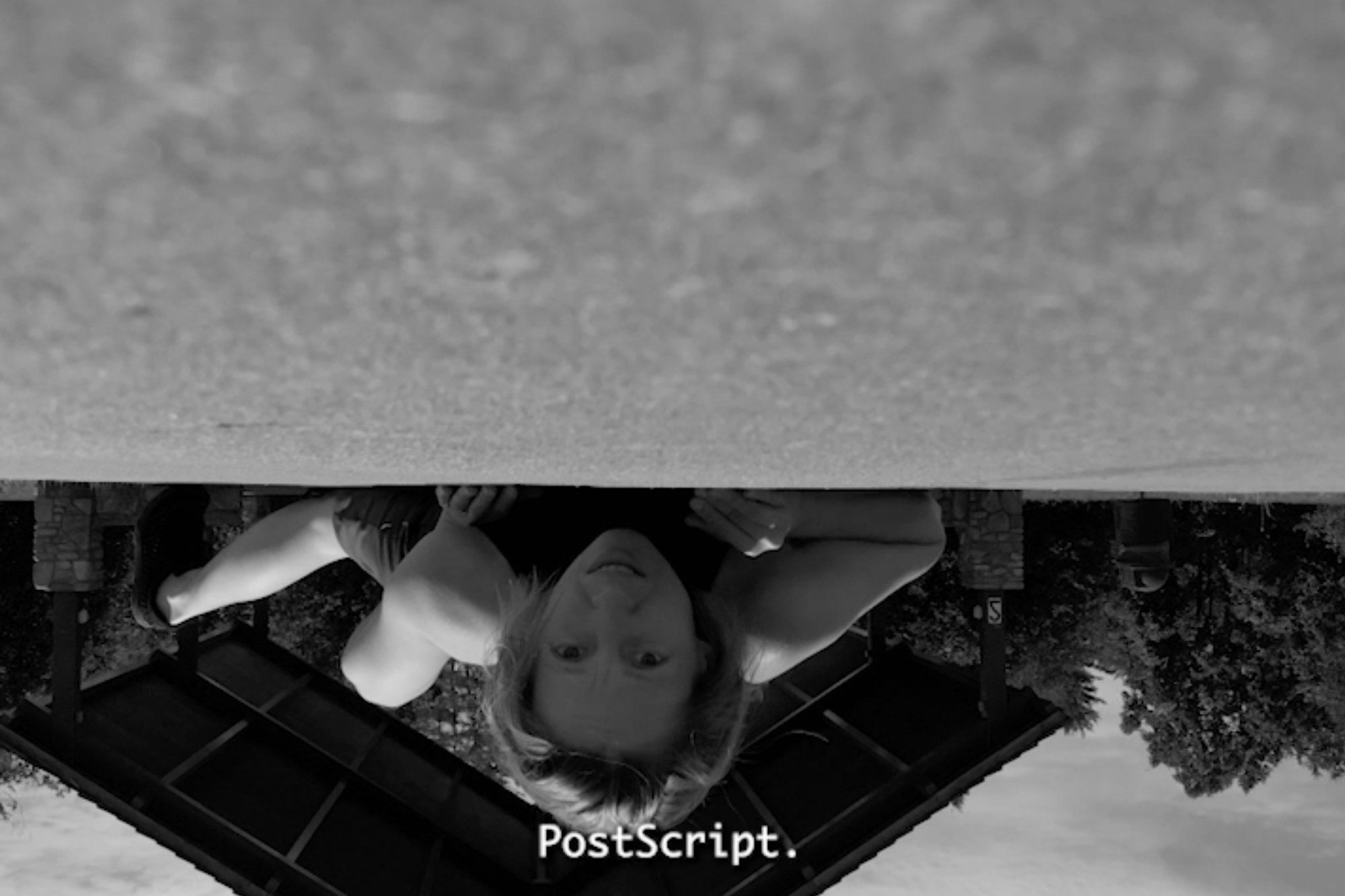
PostScript: A Southern Device is a coda to a documentary I began in 2019 about the three data centers that are positioned around my family's home in western North Carolina, in the foothills where I grew up. Apple, Google, and Facebook. For a year along with filmmaker Raber Umpenhour we flew drones above mining sites and data centers in the region. I also shot Super 8 film that I developed by hand with kudzu, clover, Sundrop and soil from the same ground, and talked with people who live nearby, interviewing them about the cloud and what happens to their data after they die. The answers ran from an archive that outlives you to a hoard someone will have to clean out. The title comes from the plant up the road in Carbon City where my father worked his entire life making lighting devices, where workers breath silica dust off the rock parts. And rock parts hail from Spruce Pine, an hour away, supplying the highest-grade quartz in the world, that material without which Silicon Valley would not carry that name. The device is also what an Appalachian dowser described when I asked how they read energy through bedrock: a plot, a scheme, a tool, a strategy for survival, a way of making things unreadable or more legible. The postscript and this video here – is what happened in the six years in the gap between writing that script and actually finishing it. My father died. Generative models arrived in everyone's pocket. We now have the language of digital twins, mirror worlds, and data lakes, and I can ask a machine to help me speak with the dead. So I reopened the footage as a corpus and turned the tooling on it and on myself, generating many versions of me speaking, drifting, and decaying. What the piece pursues is the condition that: footage shot once can now be regenerated forever. Anything I have recorded, any lecture I have given, any image of my face, becomes material that can be extended, recut, and recontextualized long past the point where I can answer for it, by makers and systems I will never meet. The extraction chain that ran through the original film, quartz to chips to server halls to the water and power the region gives up, now runs through my own likeness and voice. The script speaks from 2025 and from 3025, addressed to whoever is scraping the archive. The piece embraces the slop. Generative video in 2025 produces a specific junk: mismatched mouths that reorganize themselves, rivers that grow doors I never filmed, faces that hold for two seconds and then become something adjacent. I keep all of it. This is jankspace, Daniel Felstead and Jenn Leung's term for the residue that technocapitalism's network leaves behind as it digests the material world, an accumulation nobody designed and nobody supervises, filling in around the edges of things that were actually there. Their coinage bends Koolhaas toward the digital and lands in the same year as this footage was regenerated, which is part of the point. It sits close to Steyerl's poor image, the degraded copy that earns its life by circulating and being recut. Junk is what survives remixing. It is also what dates precisely: these artifacts belong to this year the way film grain belongs to a stock and a decade, which makes the work a core sample of one moment in the tooling, taken deliberately while standing inside it. Their jank is the body refusing to compute, the organic thing that will not fit the mesh and never will. Mine runs the other direction. This body computed, and came back multiple, fluent, and willing to keep speaking after the fact. The junk here is what proliferation leaves behind, and what worries me is how usable it is. The work runs as a loop with no first frame. It ends where it begins, on a signal reaching out and losing itself. This version is fixed, the same every pass. It is a rehearsal for the version I want to eventually make, where each loop regenerates itself, recutting and reprocessing the same 2019 corpus so no two passes are identical and the work never settles into a final edit. That is the condition the piece is describing: footage that keeps being remade by systems that outlast the person who shot it. This is the afterlife the people I interviewed were guessing at, and it is not an archive sitting still. It is something that runs. It plays whether or not anyone is watching, it costs power and water to keep playing, and it does not need me to continue.
The work is a single-channel video with stereo sound, 2:31, looping. The constraint the whole piece runs on is that the archive is fixed and the models are not: all footage was shot in 2018 and 2019, everything done to it was done with tools available in 2025.
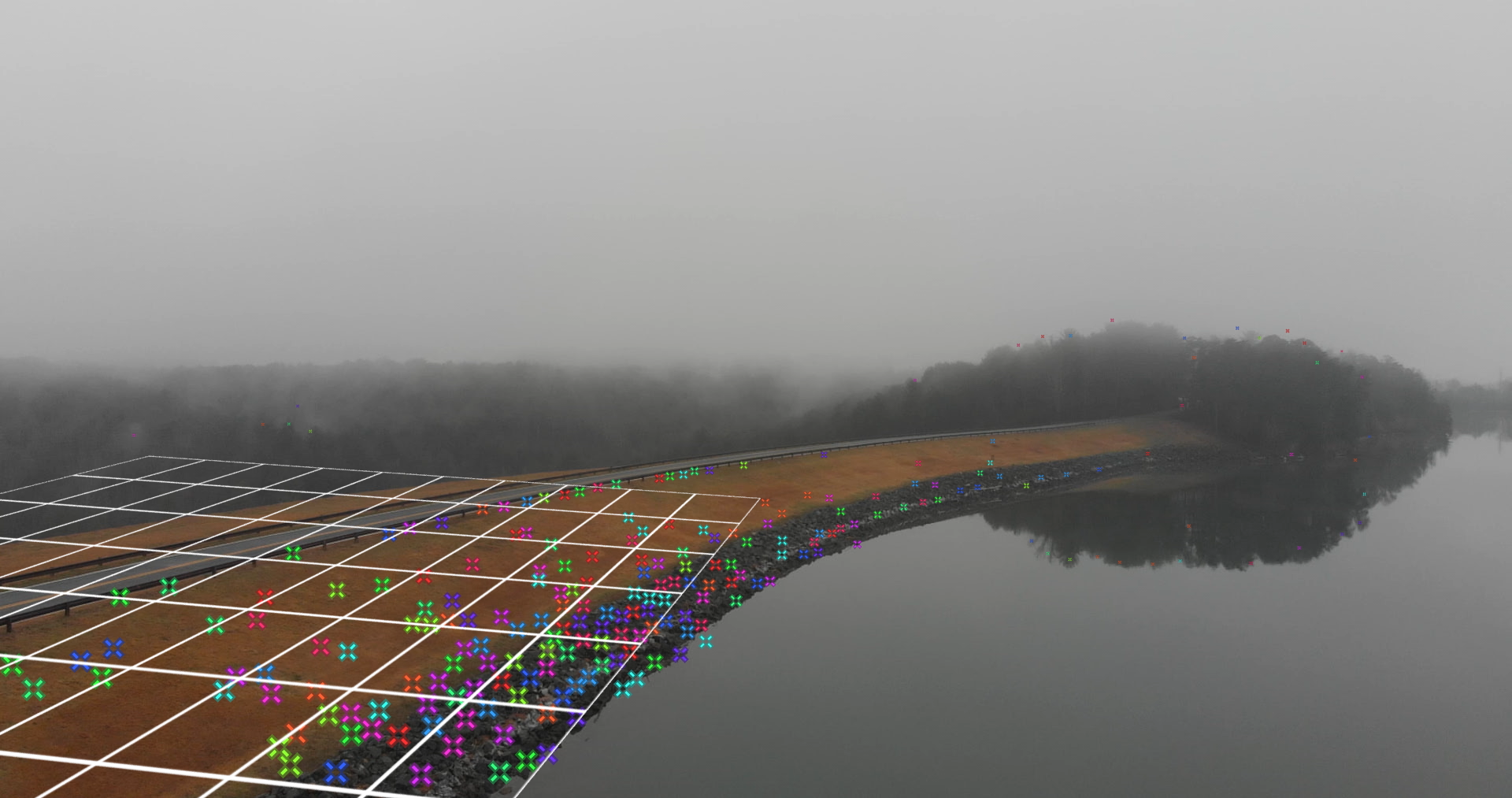
The source material is drone and location footage from western, North Carolina, covering the data center campuses, solar farms, quarries, and river valleys, along with Super 8 developed by hand in a plant-based developer made from kudzu, clover, grass and soil from the same ground, then telecined, so those frames carry chemical staining and uneven density before anything digital touches them. Field audio includes the hum of a solar installation and cicadas.
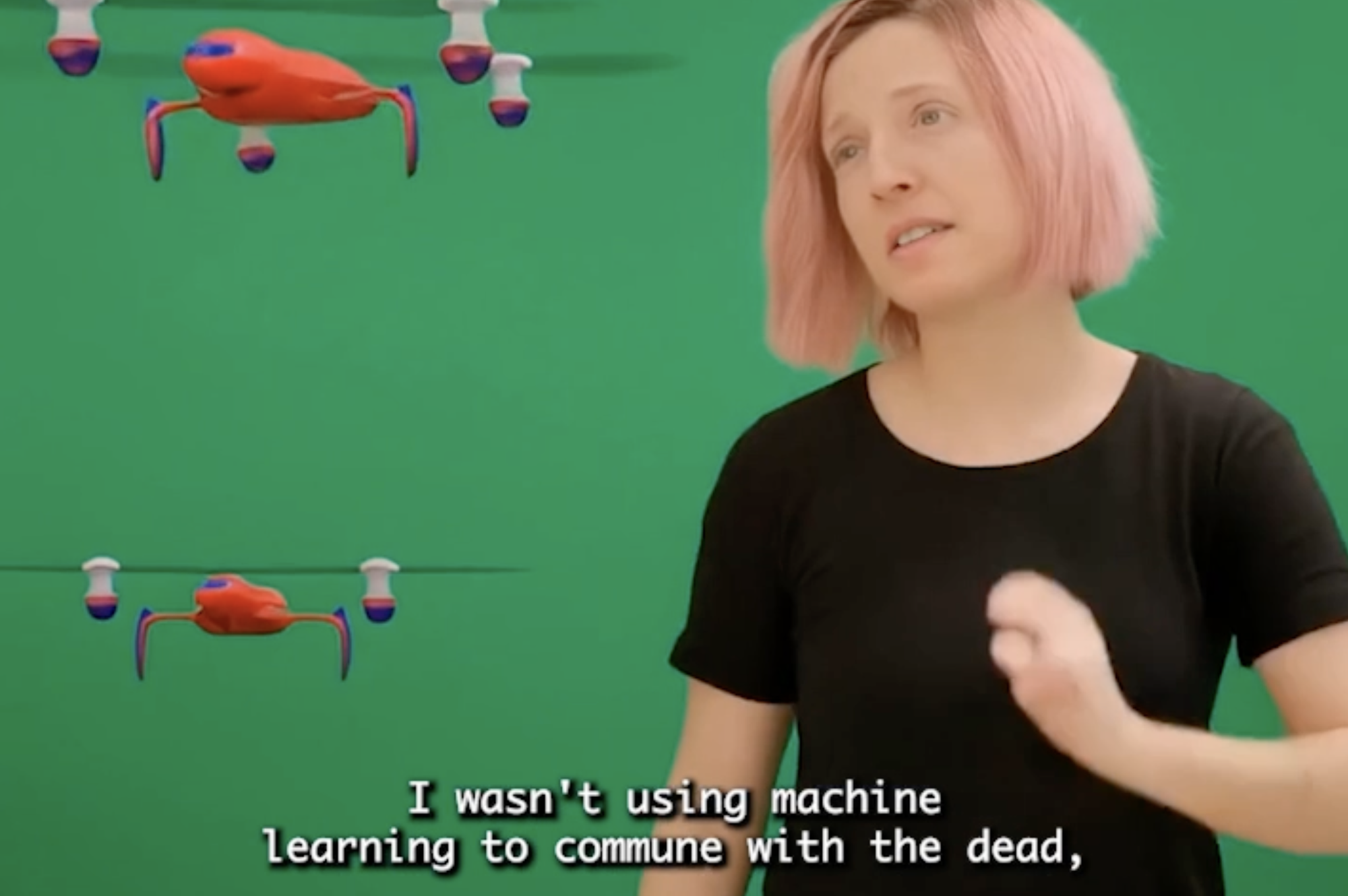
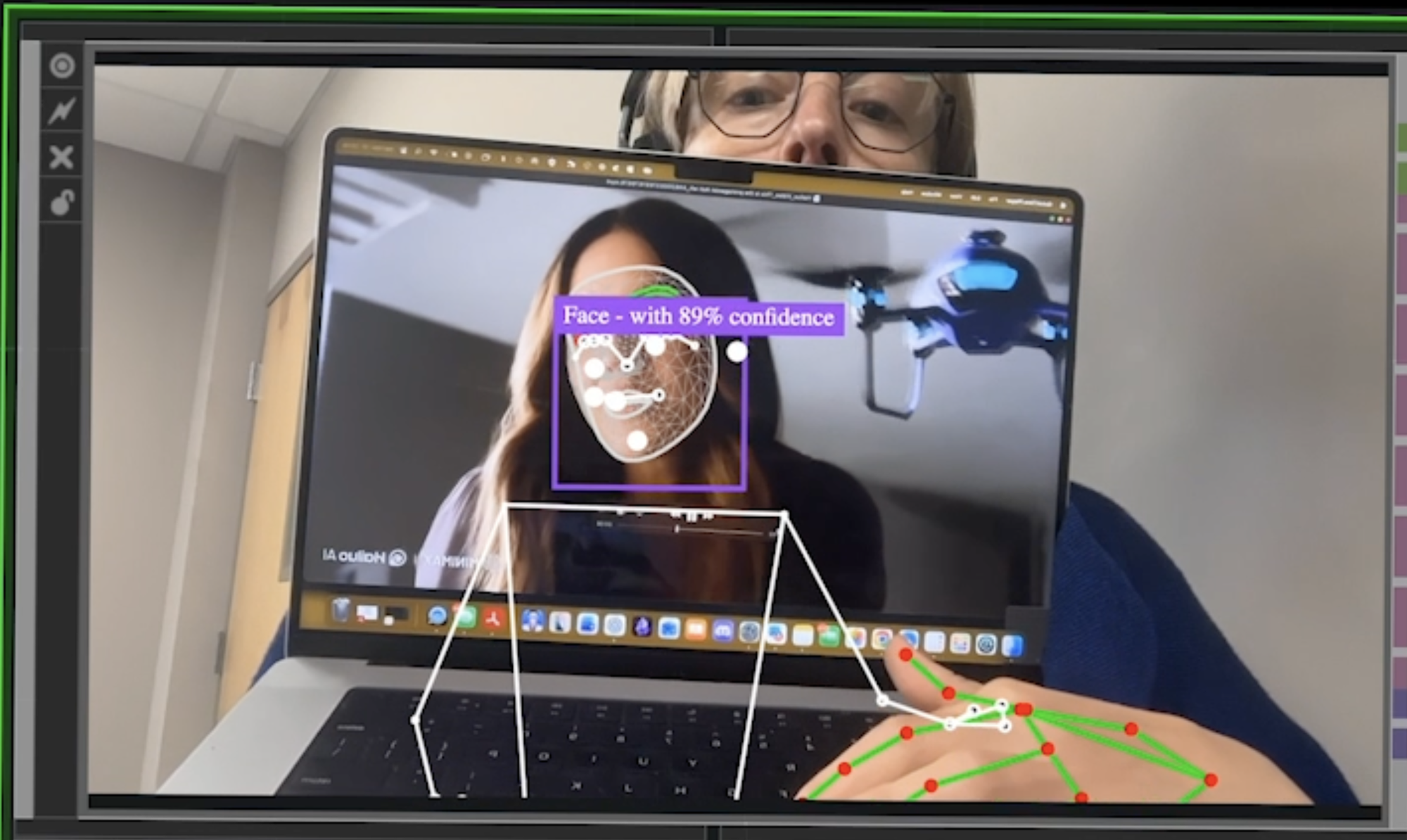
My voice was cloned with ElevenLabs from reference audio and driven by the 2025 script through text-to-speech, then mapped onto footage of my face with various lip-sync tools. Synthetic speech is intercut with unprocessed recordings of my actual voice from the original shoot. Face and voice are handled as separate drivable channels, which is what lets one set of footage speak as many things. For the image, frames and clips from the documentary footage were used as conditioning inputs for image-to-video and video-to-video generation in Runway and Hailuo (MiniMax), then assembled against untouched footage and telecined Super 8. A separate analysis layer runs in TouchDesigner through the open-source MediaPipe plugin by Torin Blankensmith and Dom Scott, performing pose estimation and object detection on a selection of the footage.
The sloppy artifacts are kept: identity drift between shots, temporal instability in hands and faces, hallucinated architecture, lip sync off the phonemes, aerial motion smoothed into synthetic motion. Two noise regimes stay legible against each other, one chemical and one statistical.
The next version I want to make will replace the fixed export with per-loop regeneration, so the same corpus is recut at each pass and no two are identical. The open problems there are identity coherence across unsupervised generations with no human selecting takes, edit legibility without a fixed cut structure, and whether drift should accumulate across passes or reset.
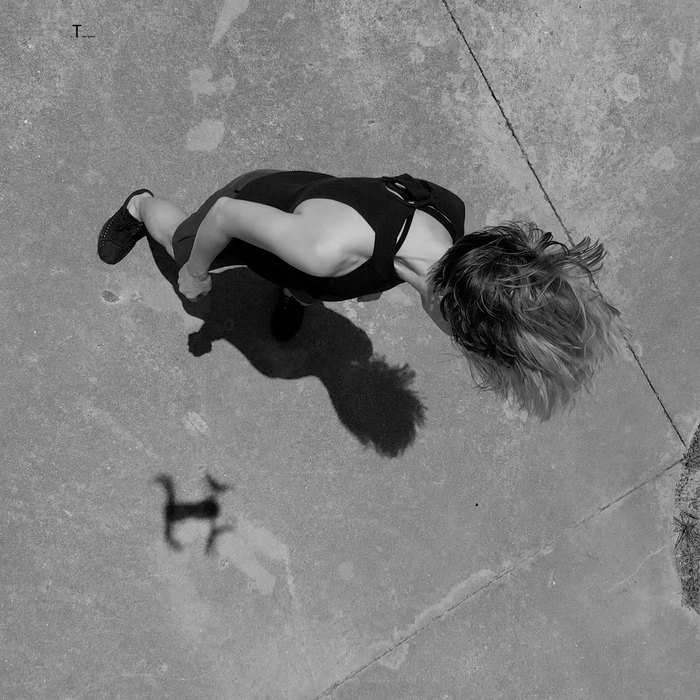
Ash Eliza Smith
Ash Eliza Smith is an artist who uses storytelling, worldbuilding, and speculative design to rehearse new realities with intelligent systems. Working across cinema, XR, performance, and games, she creates with human and more-than-human collaborators, animals, plants, and machines among them, to reimagine pasts, presents, and futures. She grew up in the southern Appalachian Mountains of North Carolina, and the region's narrative tradition and her interest in fictional potentials run through the work. She recently worked as creative producer and techno-dramaturge on Being In You, a mixed-reality installation about digital afterlives selected for the 83rd Venice Film Festival, Immersive Competition.