
No Captions 1 / 4
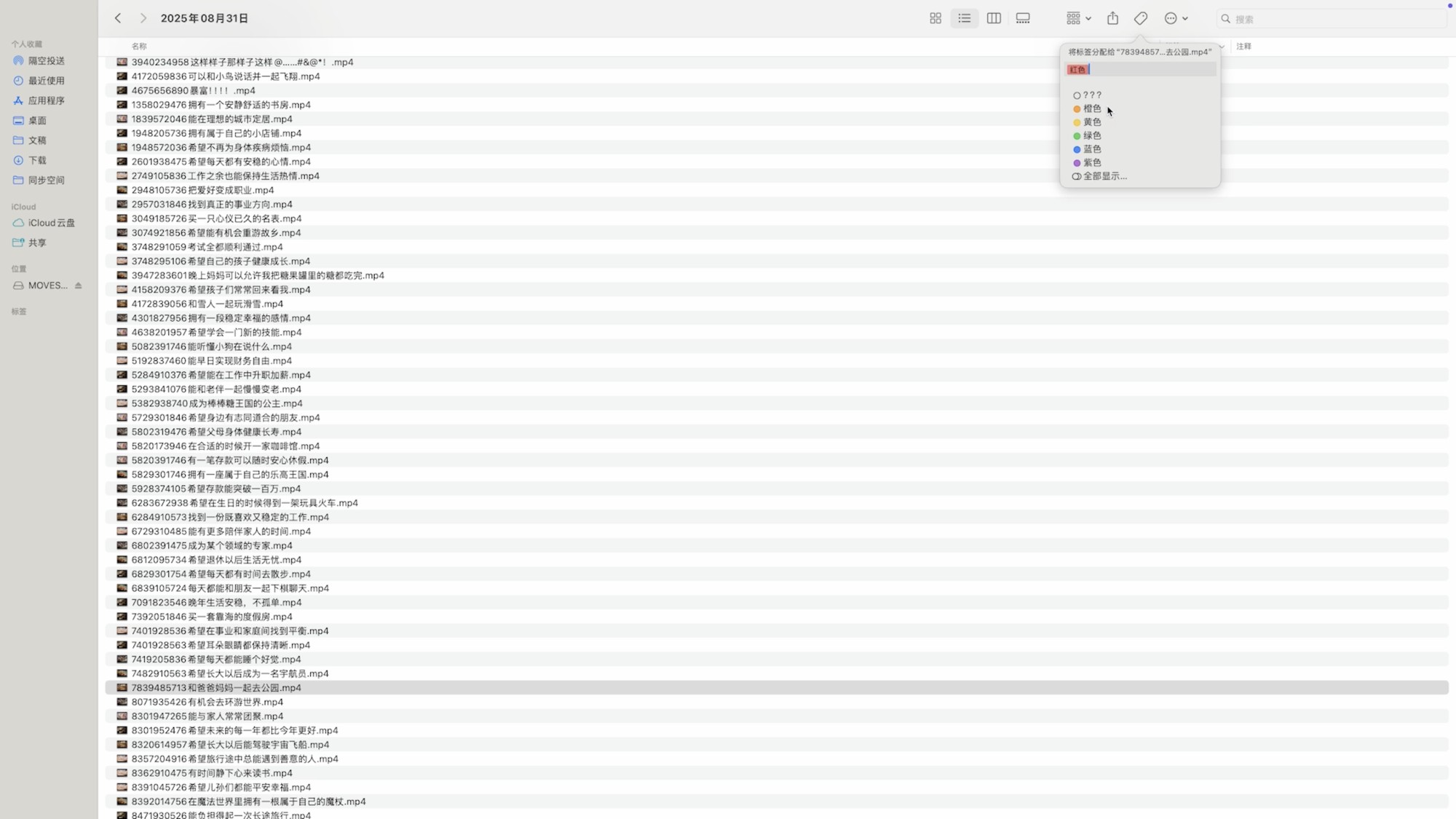
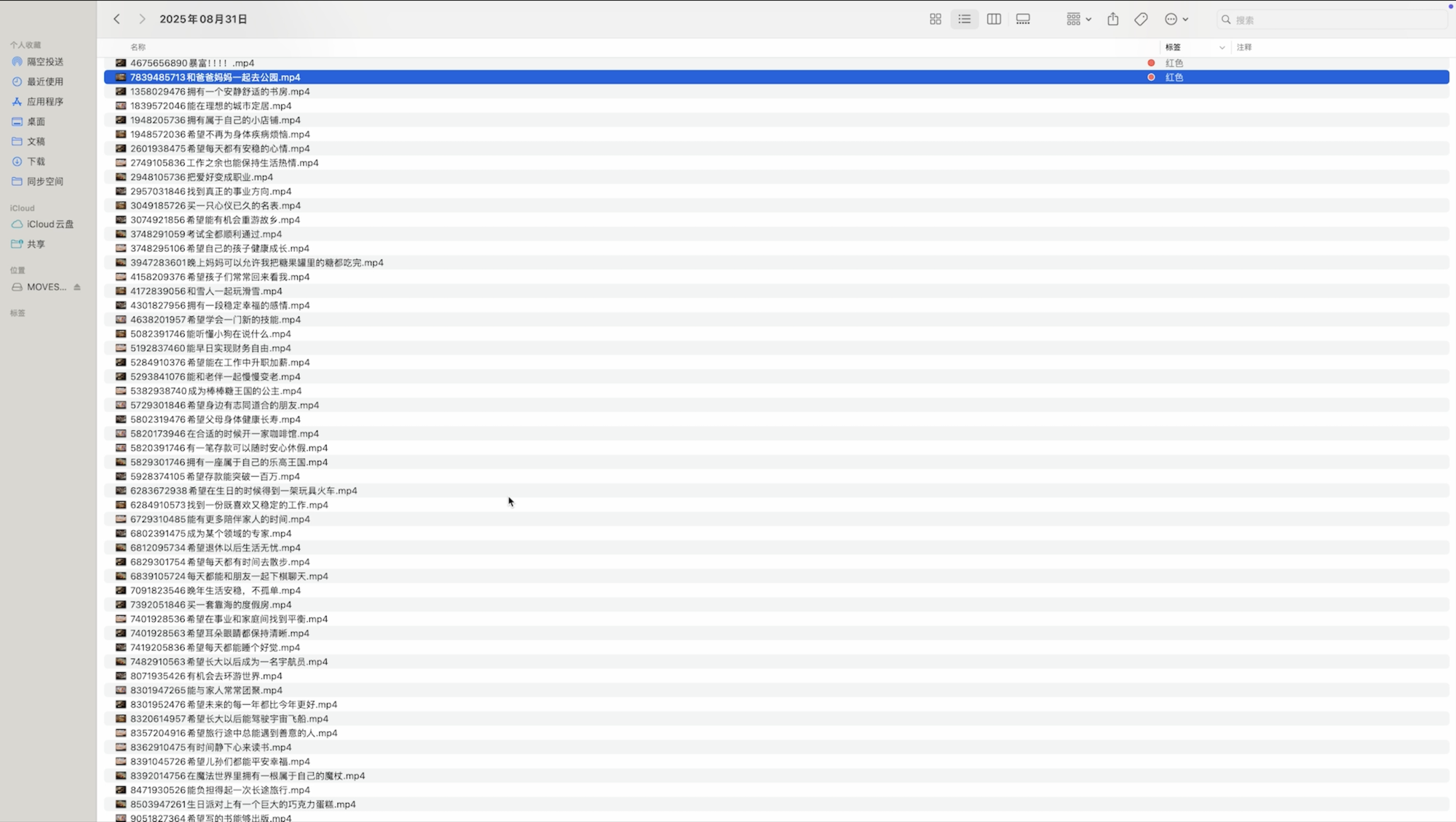
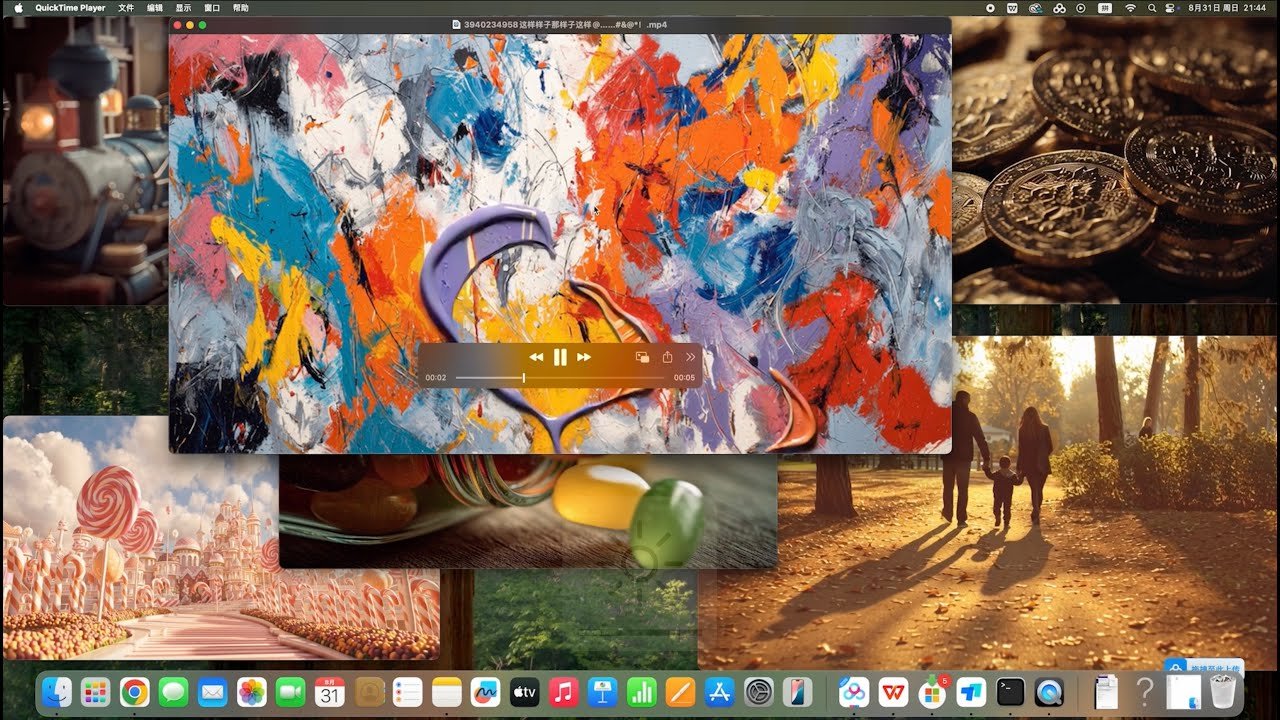
The Wish Database is a short film that combines narrative storytelling with an experimental screen-based form. Inspired by Lev Manovich’s renowned theory of the database as a defining cultural form of new media, the film unfolds through recordings of a computer desktop, where a god trains a successor to sort and manage a database of human wishes. All of the wish visuals are generated by artificial intelligence. Within the god’s seemingly ordinary computer interface, each file contains one person’s wish, such as a fleeting desire, fear, hope or vision of the future. The wishes are assigned numerical filenames and stored as separate records. The desktop thus becomes an administrative system for organizing intimate human experience. All wishes initially appear equal: each occupies one line in the same folder and follows the same naming logic. Yet the moment the god begins to sort them, the question of criteria emerges. Which wishes deserve attention? Which should be prioritized, postponed or ignored? What appears to be a neutral data space becomes a site where selection is an ethical act shaped by judgement and power. The god’s labour is also marked by exhaustion. Faced with an overwhelming number of wishes, selection becomes repetitive, uncertain and emotionally numbing. The film uses this condition as its central metaphor. It presents human wishes through AI-generated imagery while also mocking this very practice within its own narrative. The gods who sort countless wishes parallel programmers and data workers who decide what enters training datasets, as well as contemporary artists and creators who must navigate an ever-expanding supply of machine-generated materials. If the traditional new media database is discrete and finite, the AI era introduces a database logic marked by massive scale, interpolation and a possibly continuous production of new material. The problem is no longer scarcity, but overabundance. The resulting material anxiety is mirrored by the gods, who confront the impossible responsibility of choosing among too many. At the level of the system itself, the film presents a critical perspective on contemporary computer vision and generative systems. These systems organize visibility by determining what can be collected, retained and brought forward. The film ultimately asks what happens when human interiority is treated as data that can be stored, classified and sorted, and how the promise of abundance may intensify, rather than relieve, the burden of human choice.
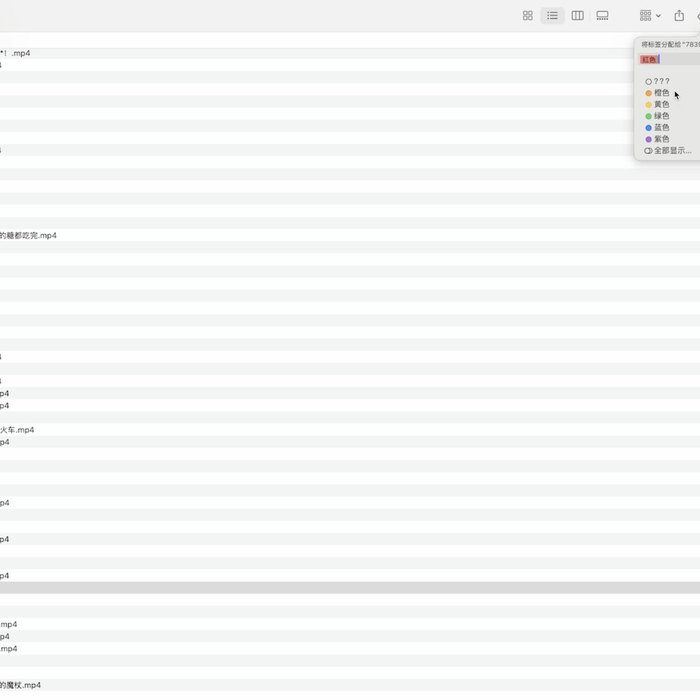
Yichi Zhang is a Chinese filmmaker and artist whose cinematic works primarily explore the human predicament within fantasy and magical realist settings. Her works have been screened at international festivals including the New York Shorts International Film Festival, Vancouver Asian Film Festival, HollyShorts Film Festival and Palm Springs International ShortFest, among many others, and have also been selected for the CVPR Art Gallery and the ECCV Art Gallery. Yichi is a recipient of the Motion Picture Association of America Award and the Edie and Lew Wasserman Fellowships. She received an MFA in Film Directing from UCLA and a BA in Film Studies from Boston College, and holds a PhD in Cinema Studies from Zhejiang University.