
1 / 7
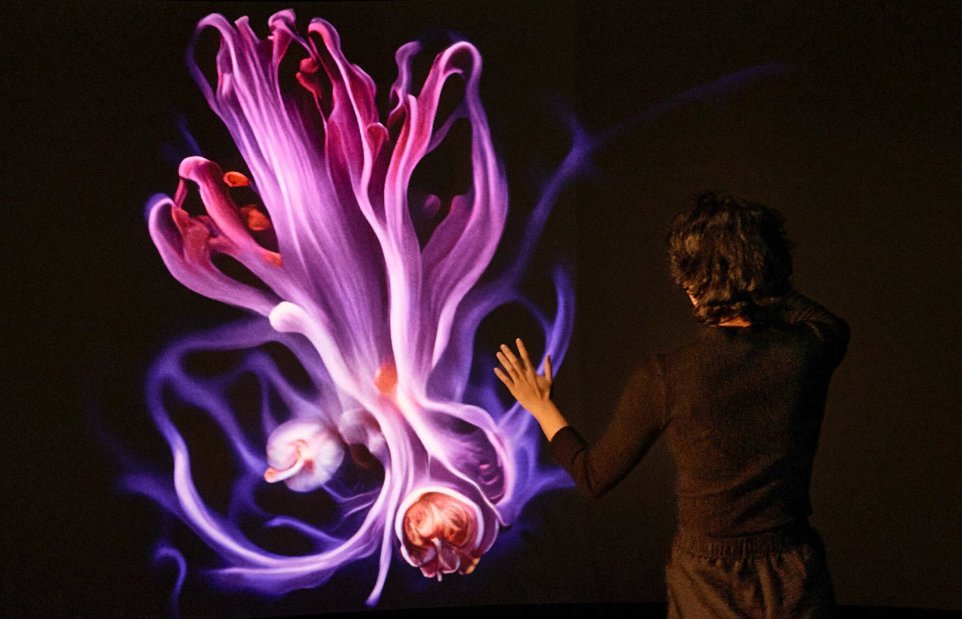
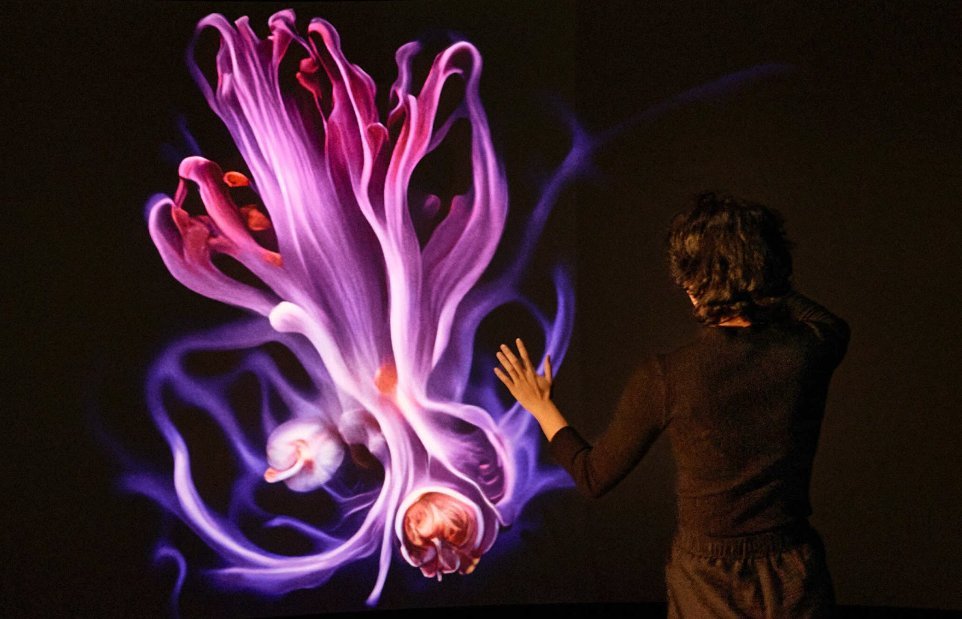
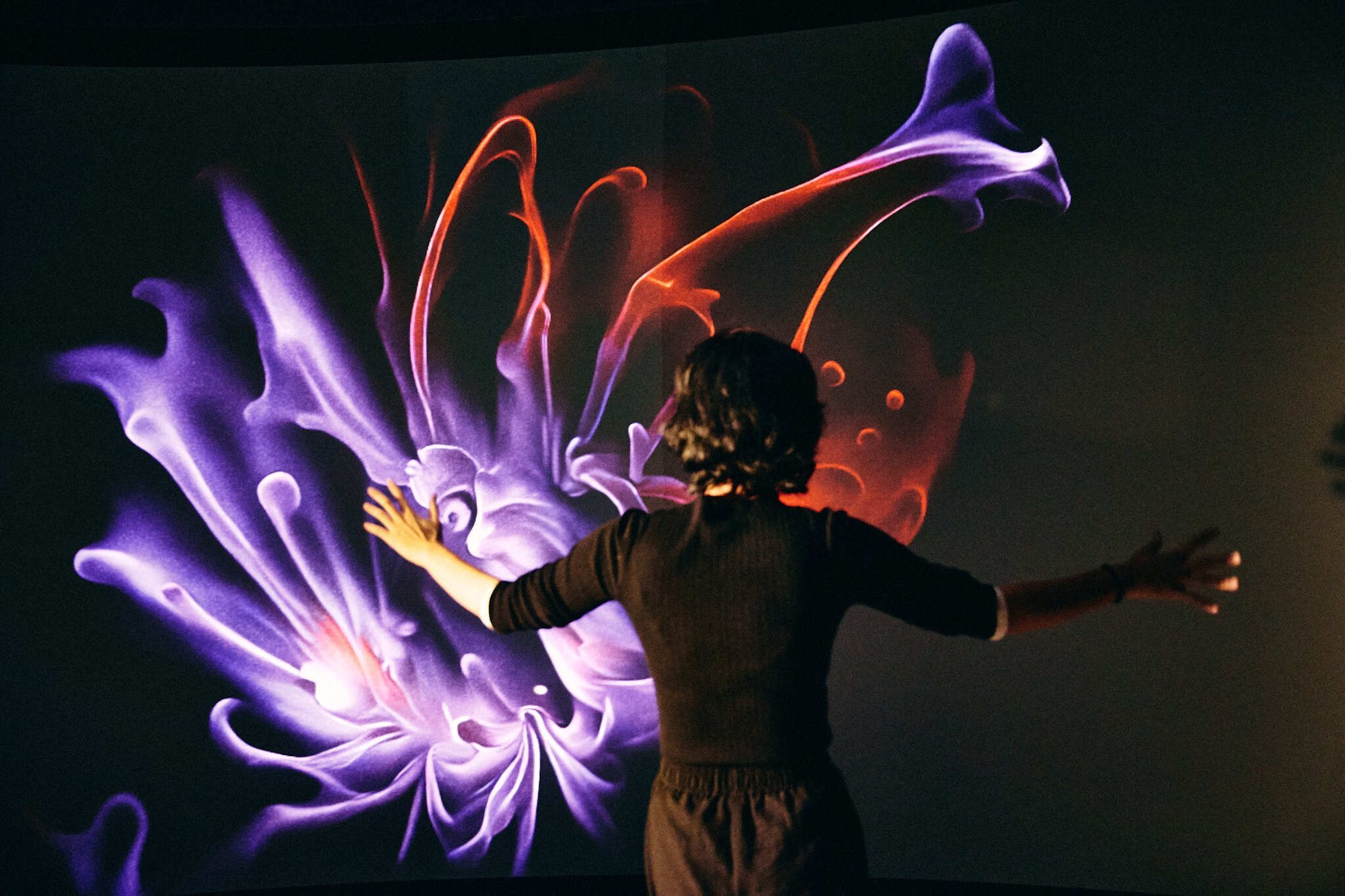
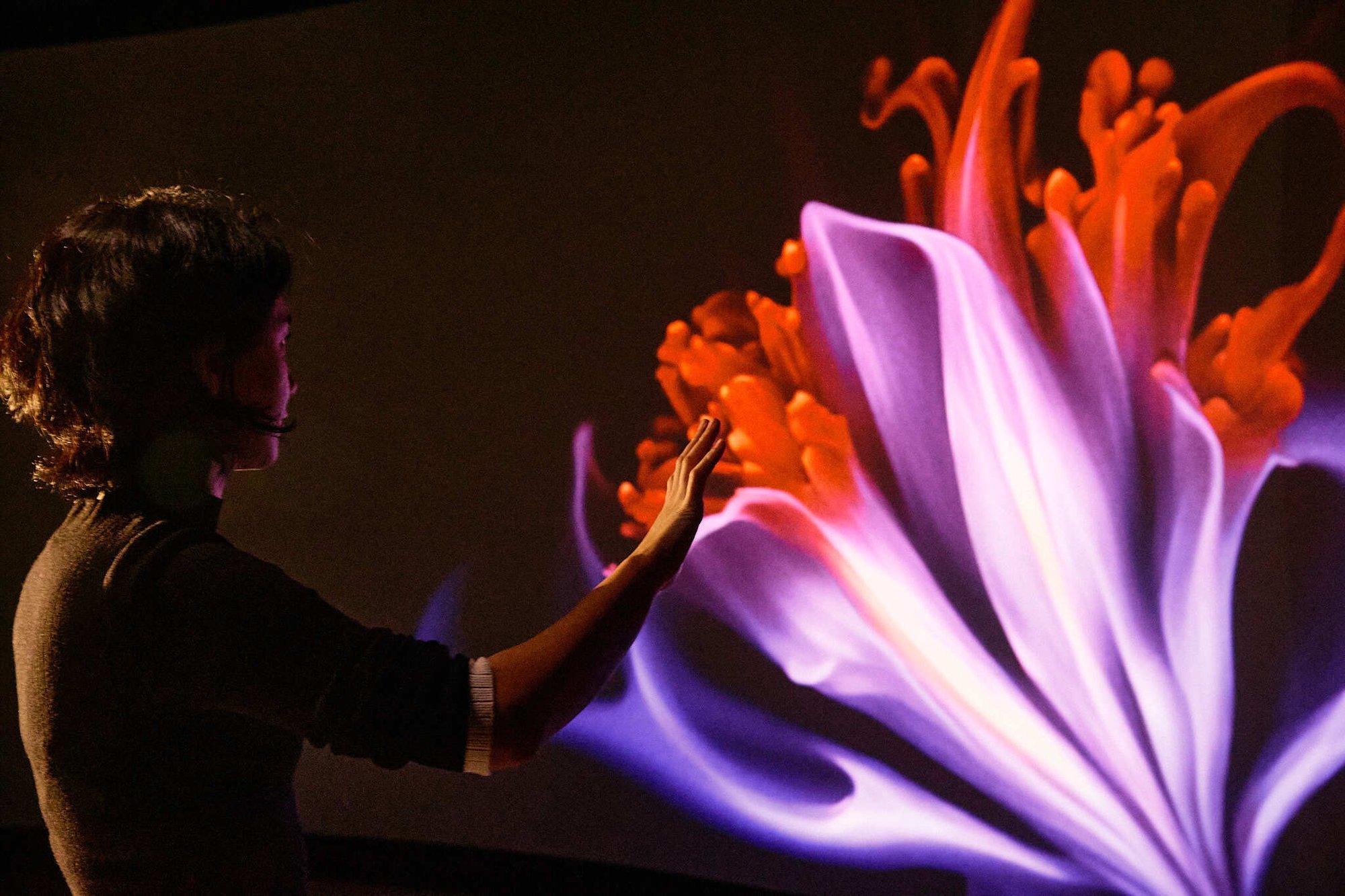
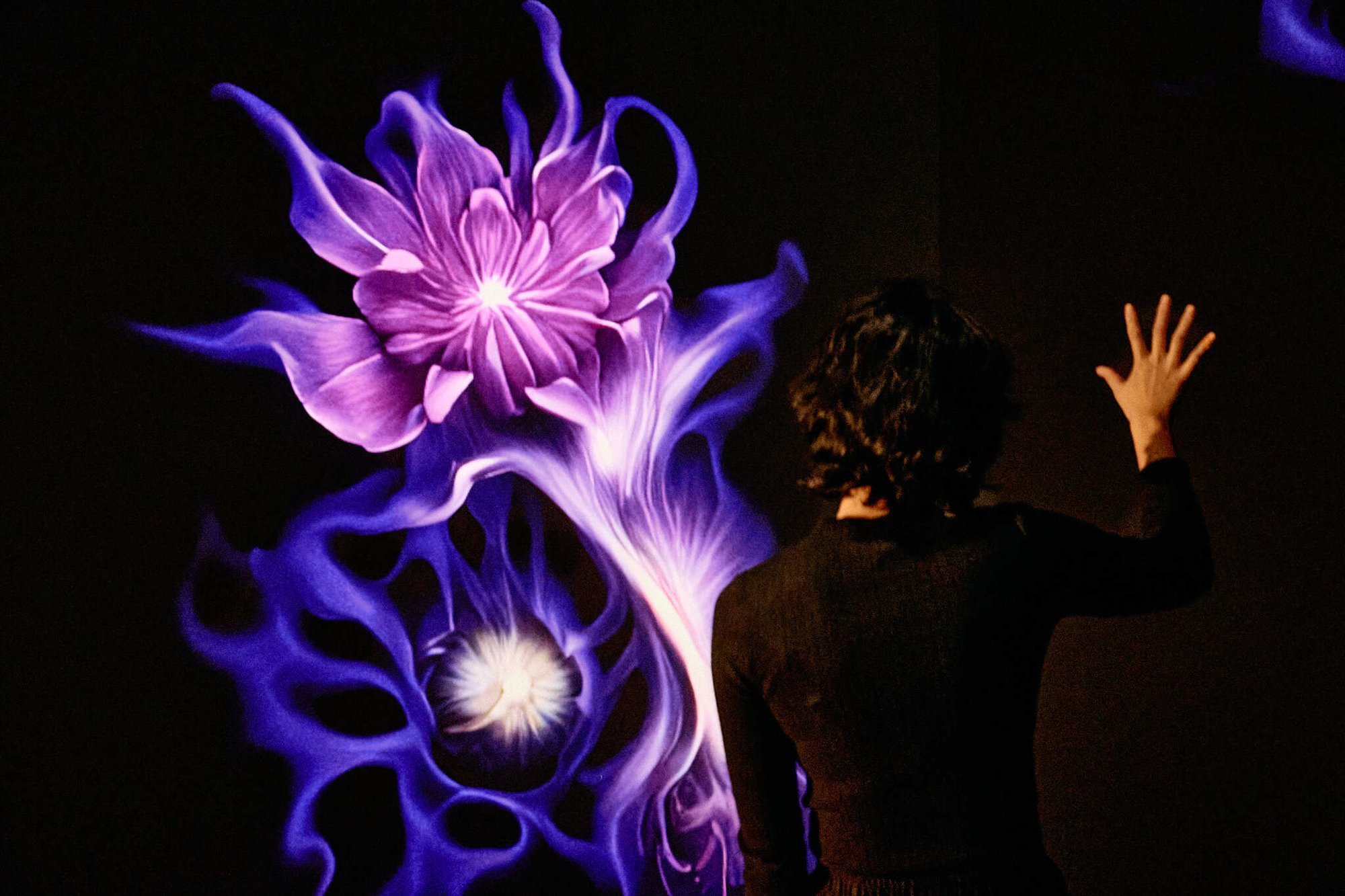
Machine Dreaming is an interactive installation that explores the perceptual and social dynamic between humans and AI systems, highlighting the tensions and intimacies that surface in the experience of being “seen”. The projection depicts a viewer interacting with the installation, watching as their image gradually transforms, shifting into a machines “perception” of them, inviting reflection on what it means to be seen and interpreted by an LLM.
The work explores how sensory ambiguity and aesthetic transformation can surface deeper emotional responses. This encounter is informed by the concept of material thinking, a form of embodied knowledge that emerges with active participation, through the entanglement of hand, eye, and mind with the system. In Machine Dreaming, cognition is focused on gestures and visceral bodily responses, engaging with constantly shifting algorithmic simulacra of the AI. This subtle, sensory, and evolving interaction enables understanding to emerge through movement, reaction, and perception rather than through using language and explanation.
The development of the work was informed by Heidegger’s notion of circumspection: a mode of understanding that emerges through situated, embodied engagement. This concept shaped the intention to create an environment where feelings would arise through interaction. Similarly, Ihde’s emphasis on praxical, technologically mediated experience underpinned the decision to prioritise real-time responsiveness in the system. These ideas framed the artistic choices in the work, positioning understanding as something felt and enacted through the sensory and temporal dynamics of the interaction.
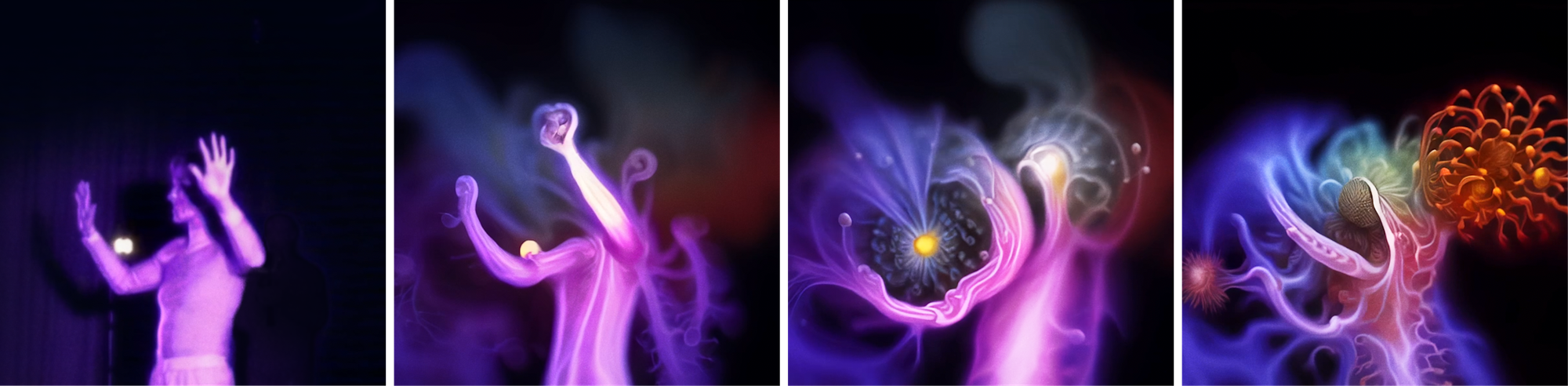
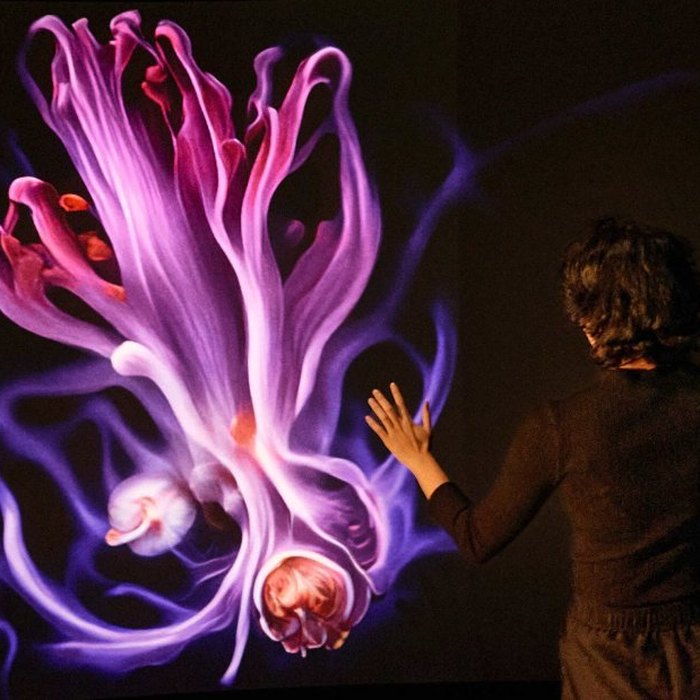
Machine Dreaming is set in a darkened room, with a dim central spotlight used to indicate the interaction locus. The interactive installation uses a real-time video feed that captures viewers’ presence in the space. The feed is processed through a custom-built system in TouchDesigner, incorporating MediaPipe for gesture recognition and Stable Diffusion for image generation. The projected image of the viewer is gradually transformed through generative AI, producing a shifting representation of the viewer from human to alien-like plant forms, responding to their movements in real time. The work operates as a continuous feedback loop: the viewer’s movements shape the generative output, which in turn subtly guides their behaviour. This dynamic facilitates a sense of embodiment and presence, helping viewers to perceive their interaction with the system as relational rather than passive.
Slowness is intentionally built into the interaction. Subtle movements cause the work to produce more vivid transformations, deeper sound, and increasingly intricate generative visuals. This creates a responsive, embodied feedback loop where presence, intention and generative AI co-determine the overall aesthetic. As viewers slow their movements, the work unfolds fully, the live video image progressively transforms into the AI’s interpretation constrained by prompts (i.e. botanical forms, spatial depth, and aesthetic detail) and training data. In the final stage of the work, botanical forms appear to grow from the viewer’s form, beginning to animate and extend further into the surrounding space. In this process, participants encounter themselves as fluid, data-driven forms, refracted through the training sets of the model. The work invites viewers to experience being both subject and co-creator within a relational perceptual system, prioritising embodied meaning-making through gesture and interaction over cognitive explanation.
Aileen Ng is an artist and researcher at SensiLab. Her work focuses on perception and relationality, particularly examining human-machine relationships and contemporary technologies as a form of mediation and its effects on our experience.