
1 / 5
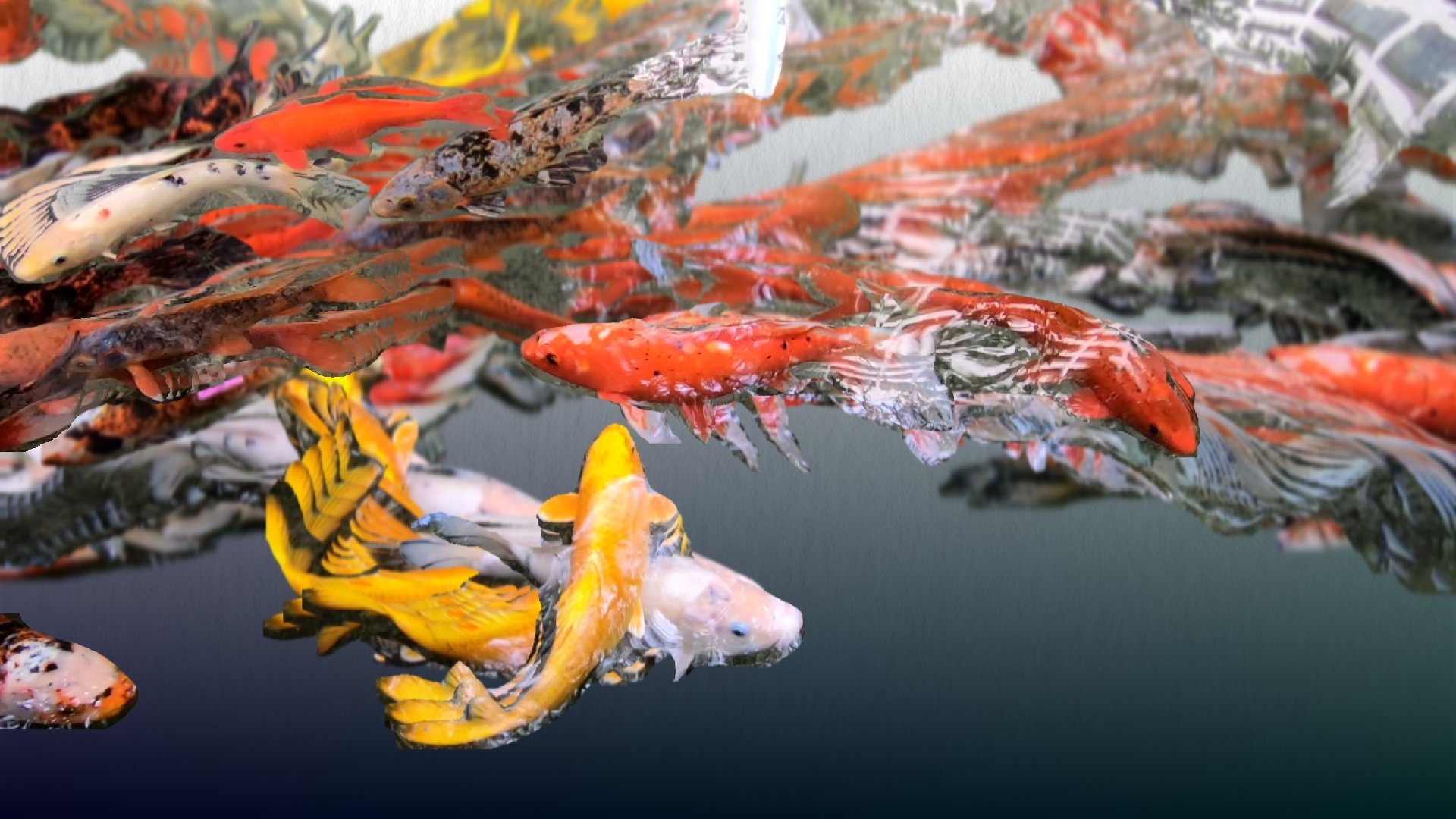
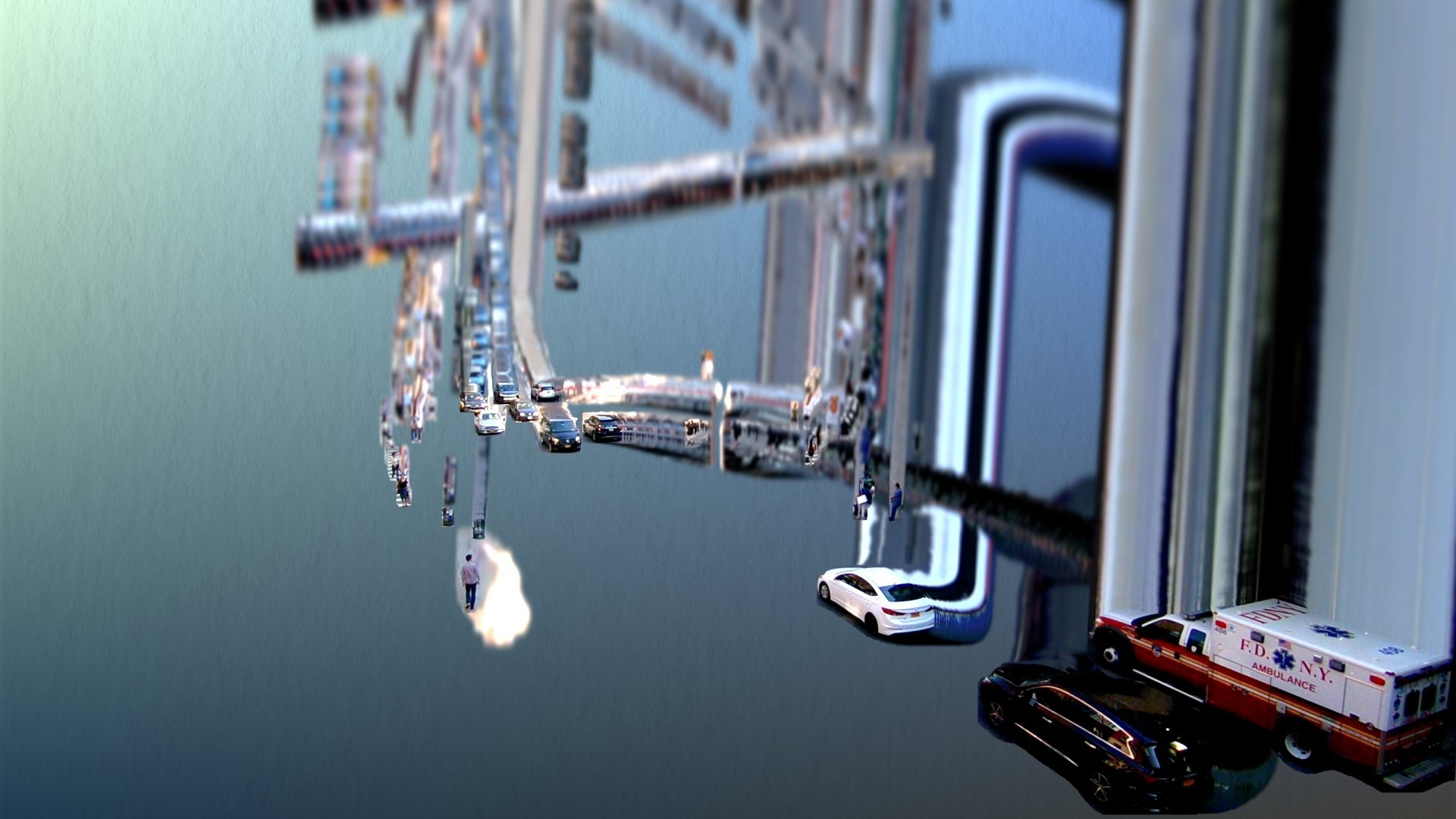
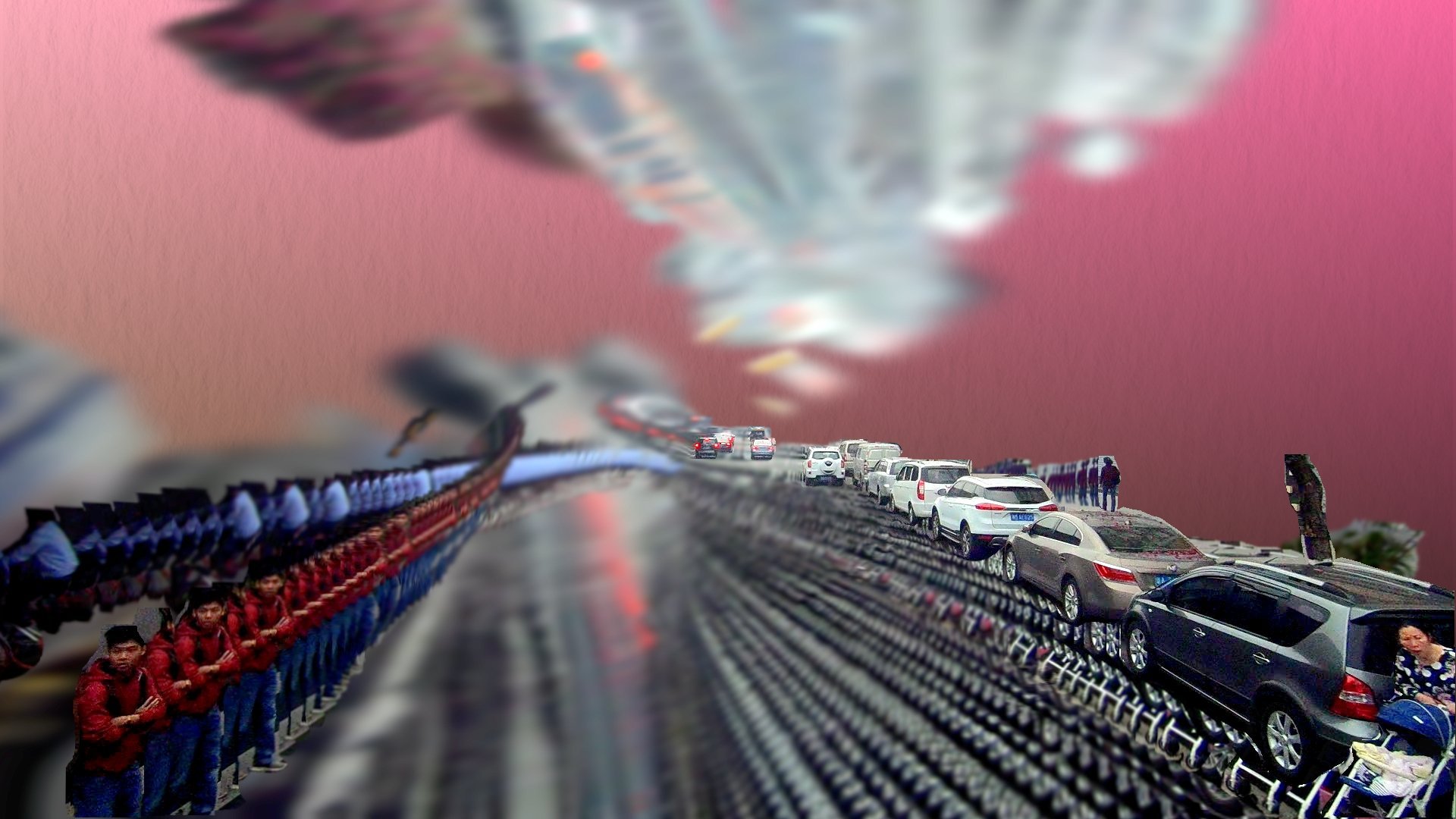
ESSENCE is a moving-image work in which each scene is processed through AI object recognition. Only the parts of the image that the system can identify and label remain visible. Everything around them is removed, leaving a floating world of isolated objects, partial forms, and uncertain signs.
The work connects this machine process to Hokusai’s Manga: volumes of studies that gathered subjects from the real and imaginary world into concentrated acts of observation. It also refers to ukiyo-e, often translated as “pictures of the floating world”, the print tradition through which Hokusai became known. Where Hokusai sought to reduce a subject to its living essence, ESSENCE asks whether AI recognition reveals anything essential at all, or whether it only gives us names, categories, and results that we mistake for understanding.
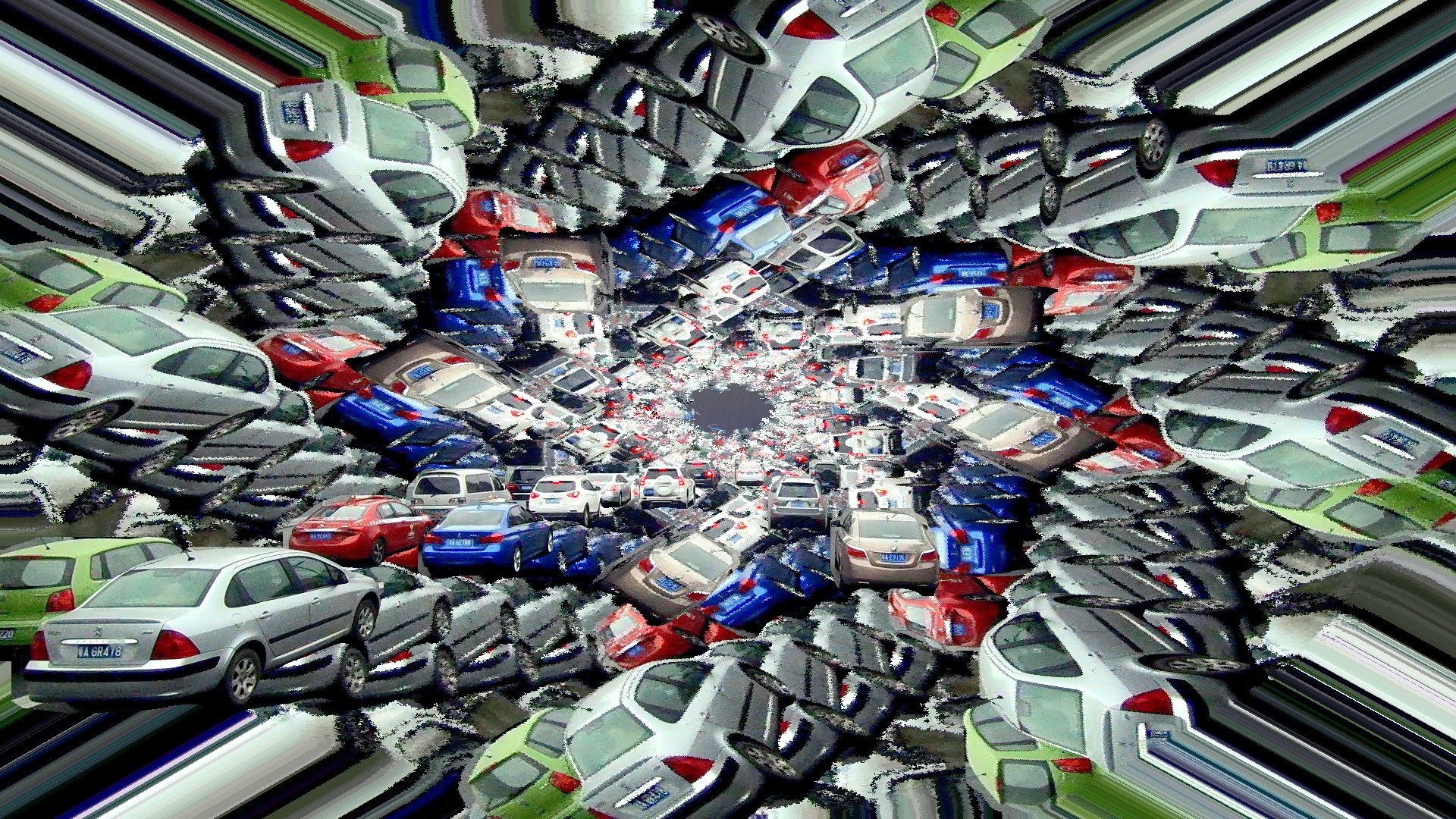
Around the recognised objects, clouds of video feedback drift and fold, at times echoing the force and movement of Hokusai’s The Great Wave off Kanagawa. The feedback places the image inside a closed loop of outputs, repetitions, and echoes. In this loop, ESSENCE reflects on what may be lost when we rely on systems that are powerful at producing results but detached from lived experience, embodied intuition, and the deeper context through which human meaning is made.
Developed during the AI Hokusai ArtTech Research Project residency
ESSENCE couples YOLO11 (pre-trained on COCO) instance segmentation with a recursive visual feedback loop.
Pipeline: High-definition video frames pass through YOLO11 to generate pixel-level masks, zeroing out unclassified background pixels via dynamic alpha keying.
Feedback: Isolated frames route through a recursive delay buffer that applies spatial transformations and attenuation, causing object boundaries to bleed into evolving, wave-like textures.
Output & Integration: Generates a composited video signal (sharp foreground objects over decaying feedback)
Alex May
Alex May is a British contemporary artist whose work explores how we remember and how technology changes what we keep, what we lose, and what we think is real. Working across moving image, photography, sculpture, sound, and computational processes, he creates artworks that connect human experience with systems of recording, preservation, and transformation.
His international exhibition profile includes Ars Electronica, LABoral, IMPAKT, FACT, Furtherfield, WRO Media Art Biennale, HeK, the Francis Crick Institute, Bletchley Park, Eden Project, Science Gallery Dublin, Science Gallery Bengaluru, ZHI Art Museum, and the Beall Center for Art + Technology at the University of California, Irvine.