
Claude Monet 1 / 16
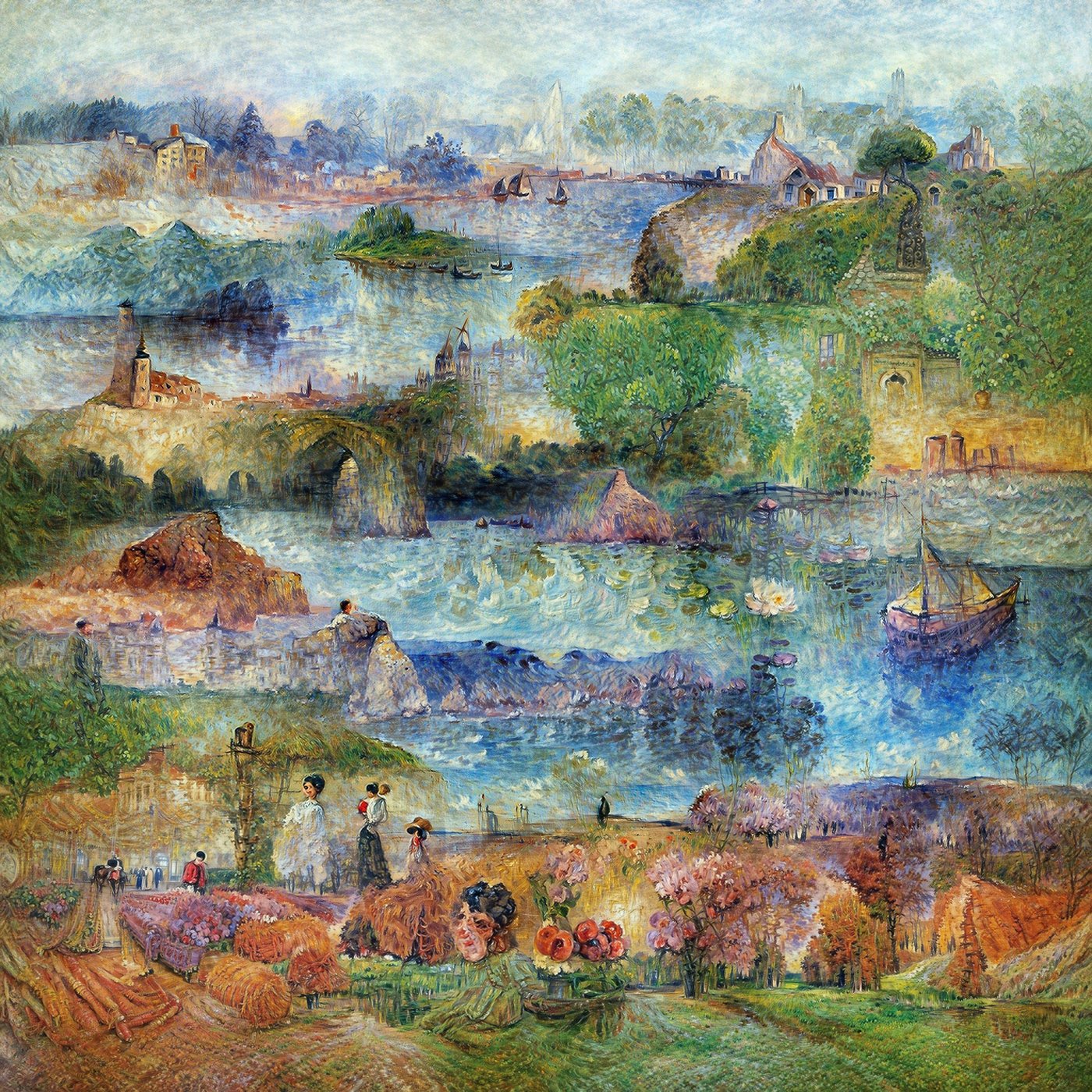
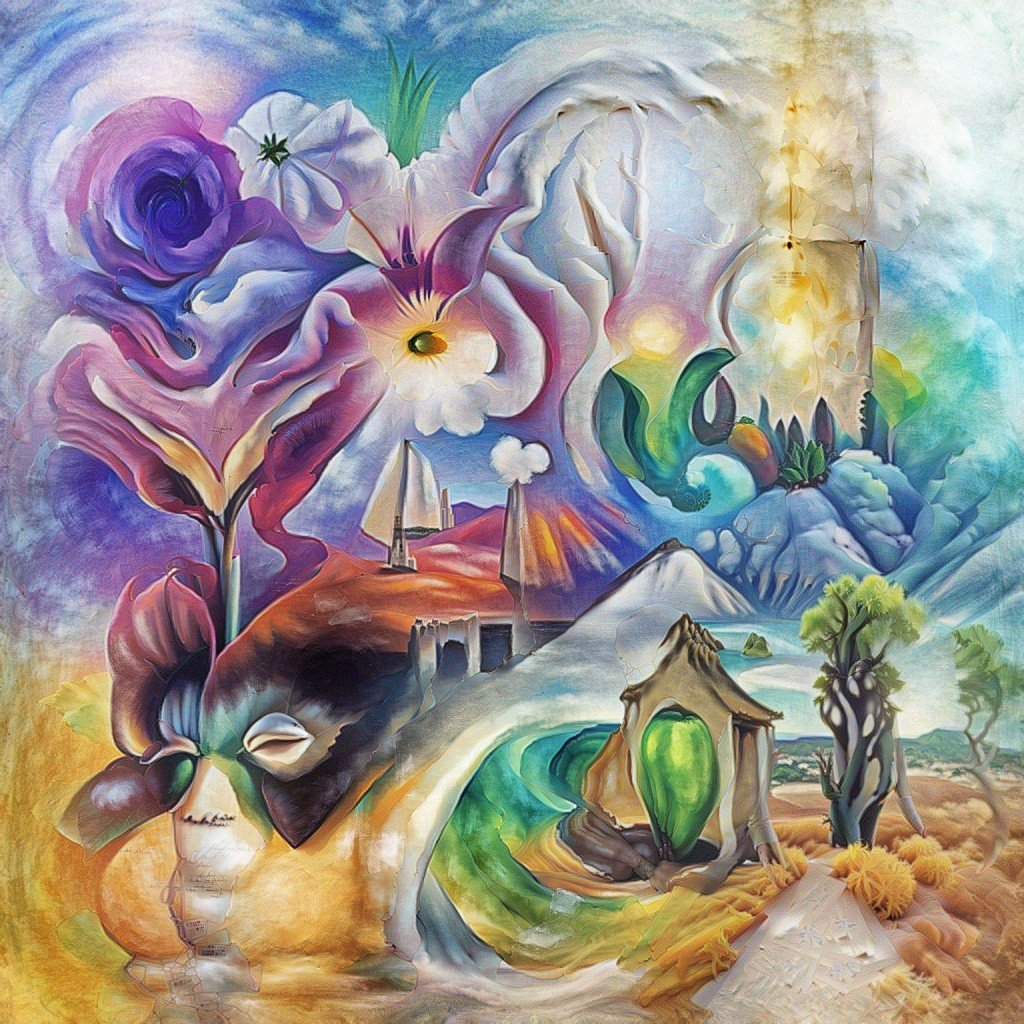
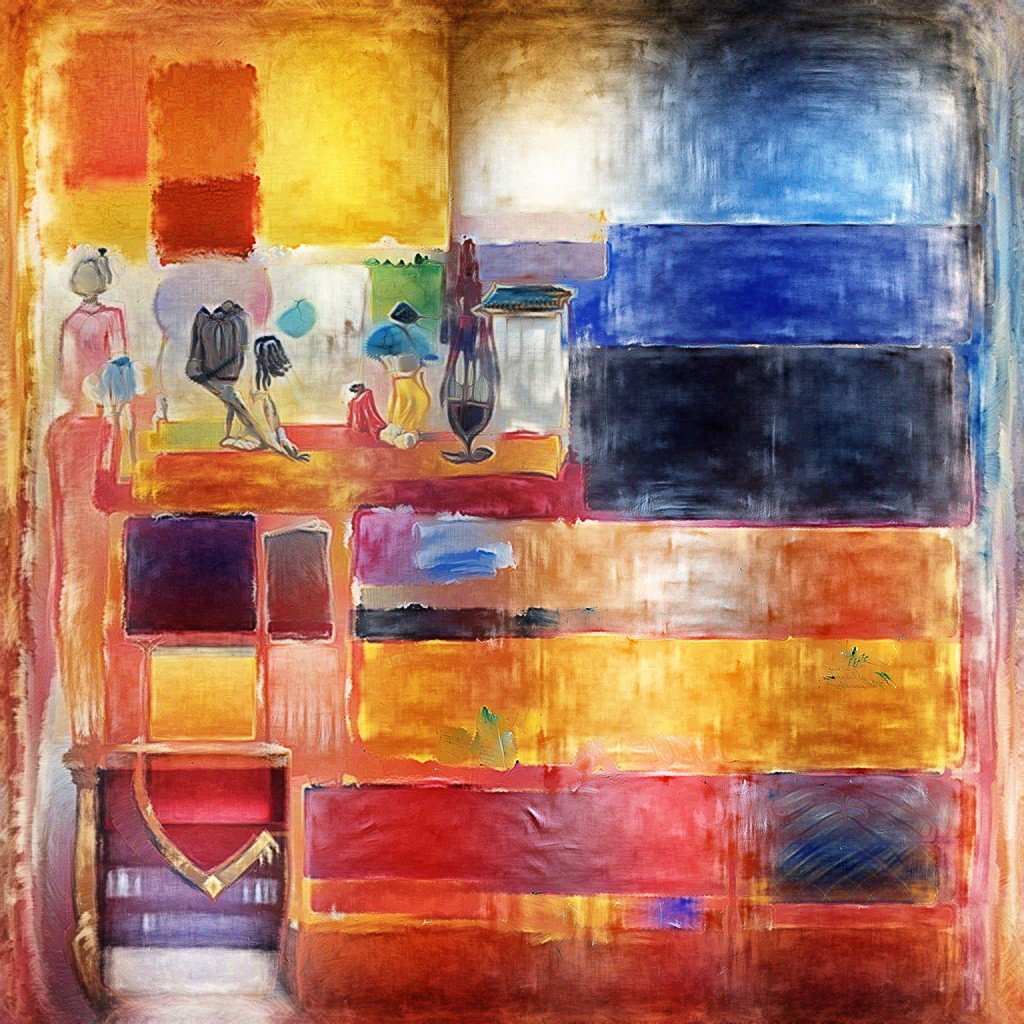
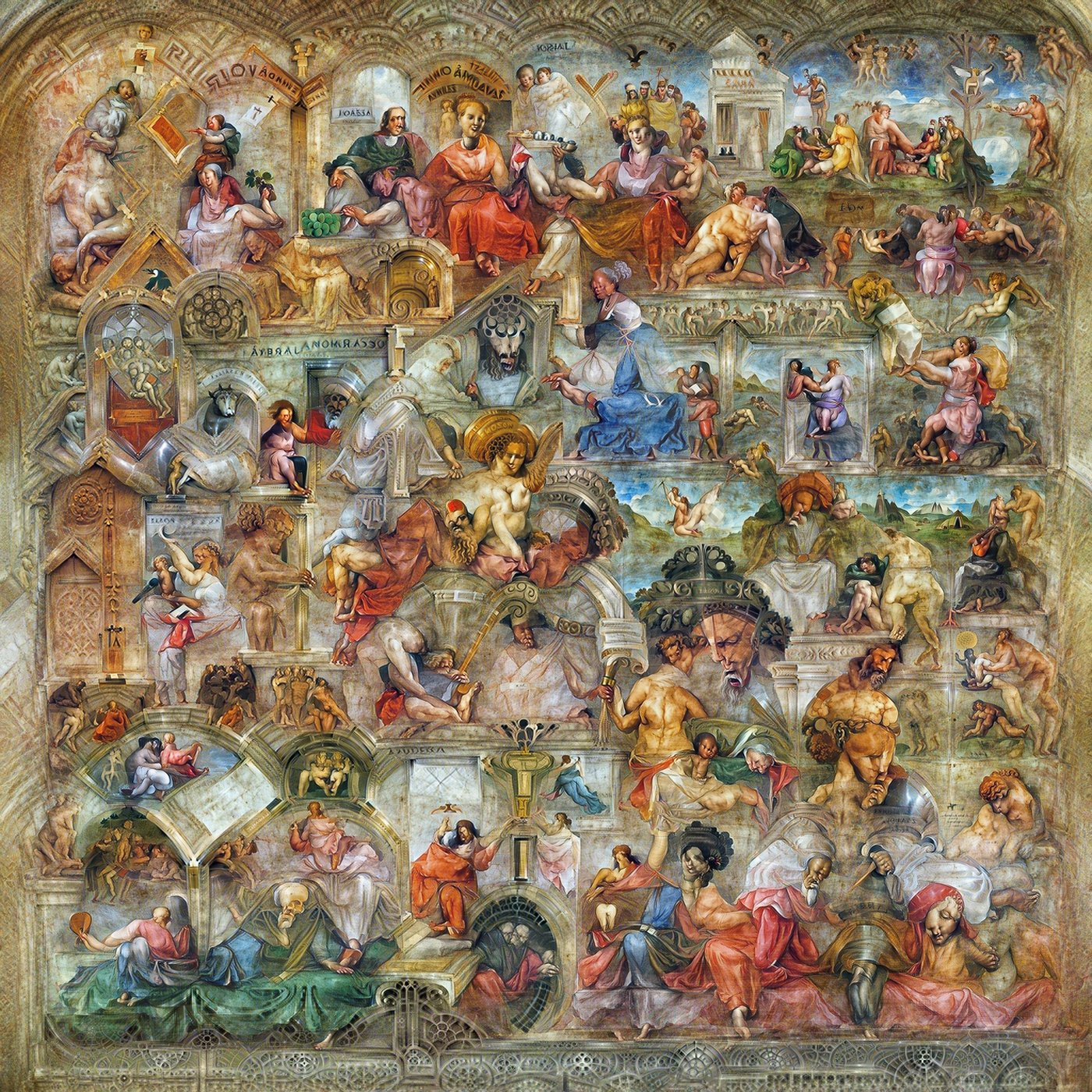
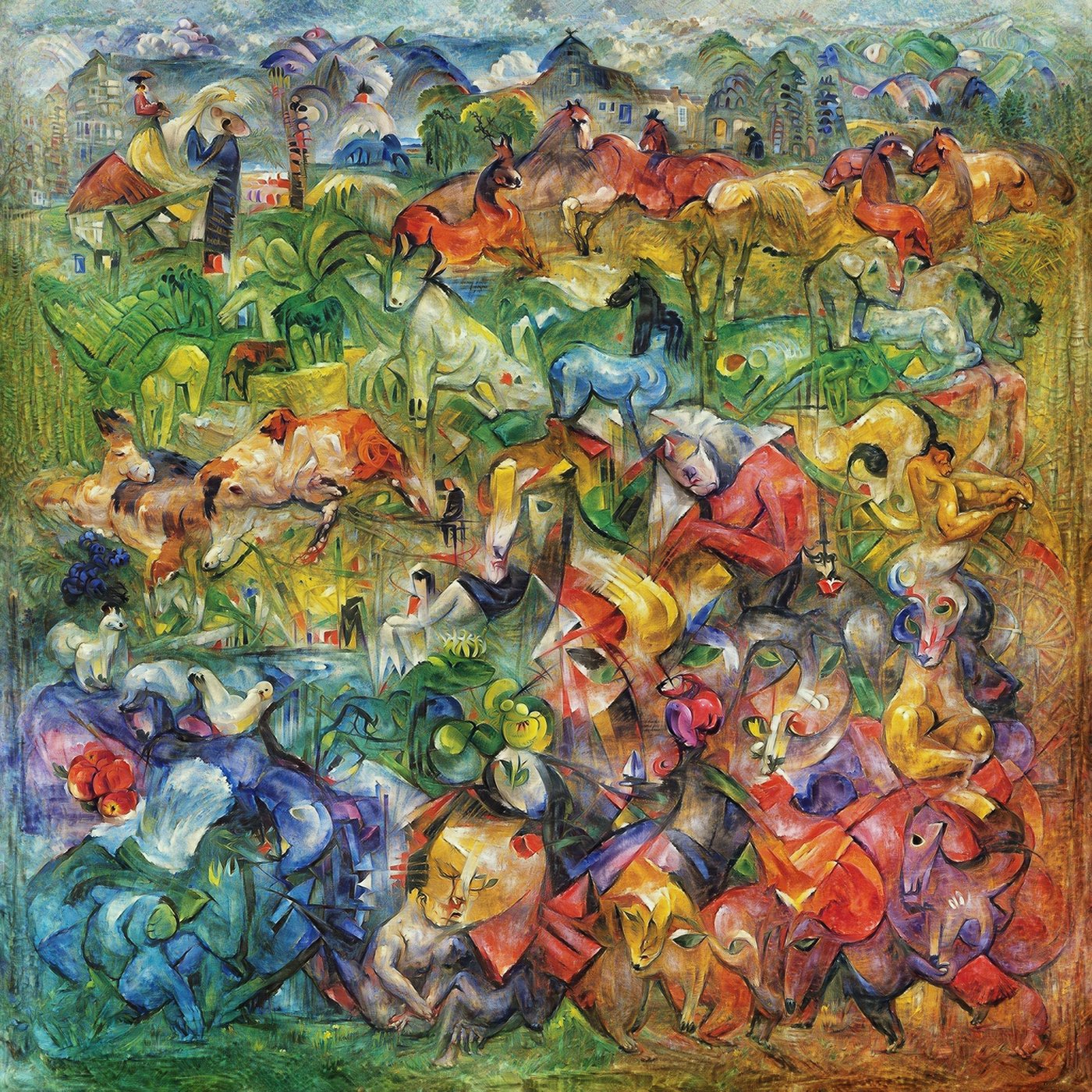
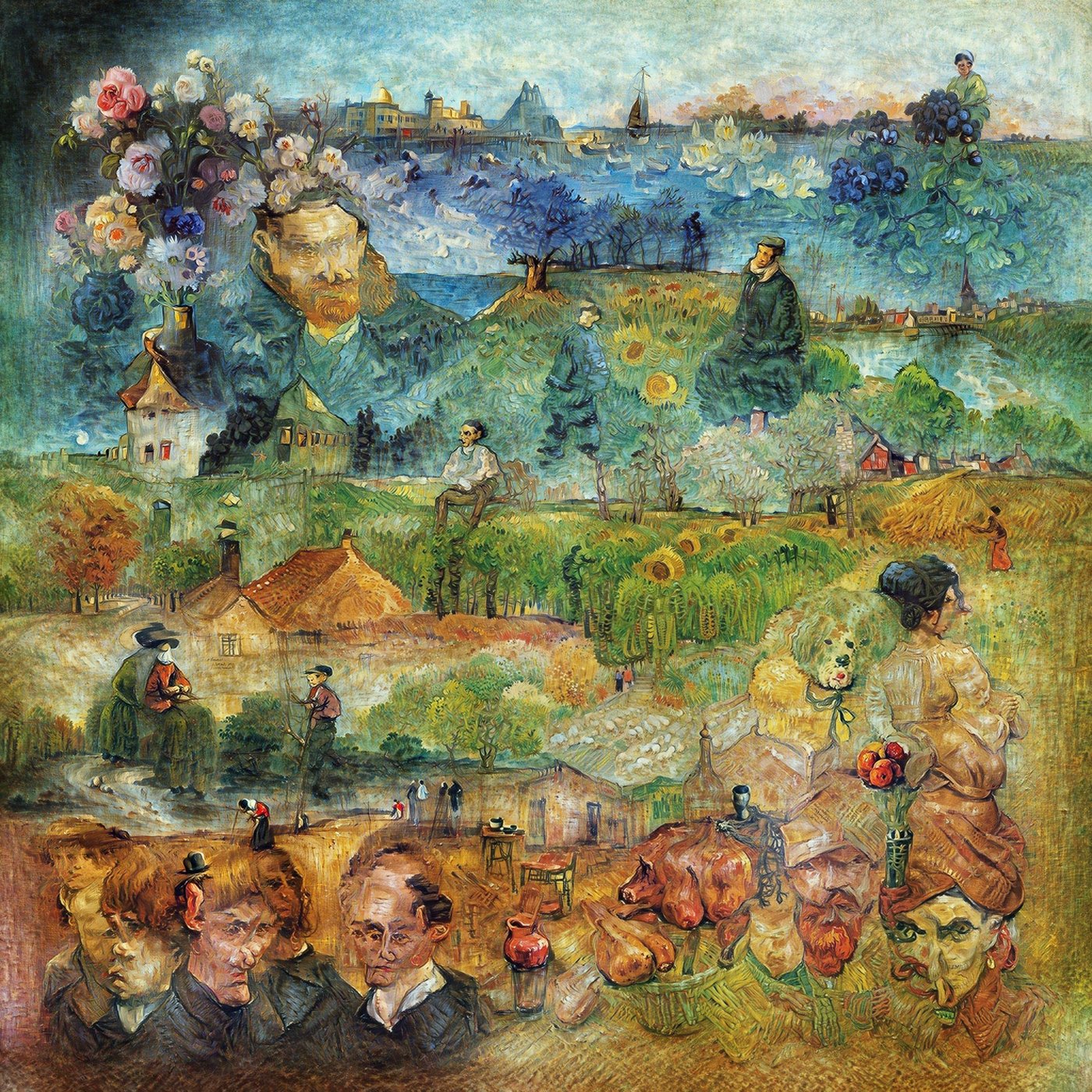
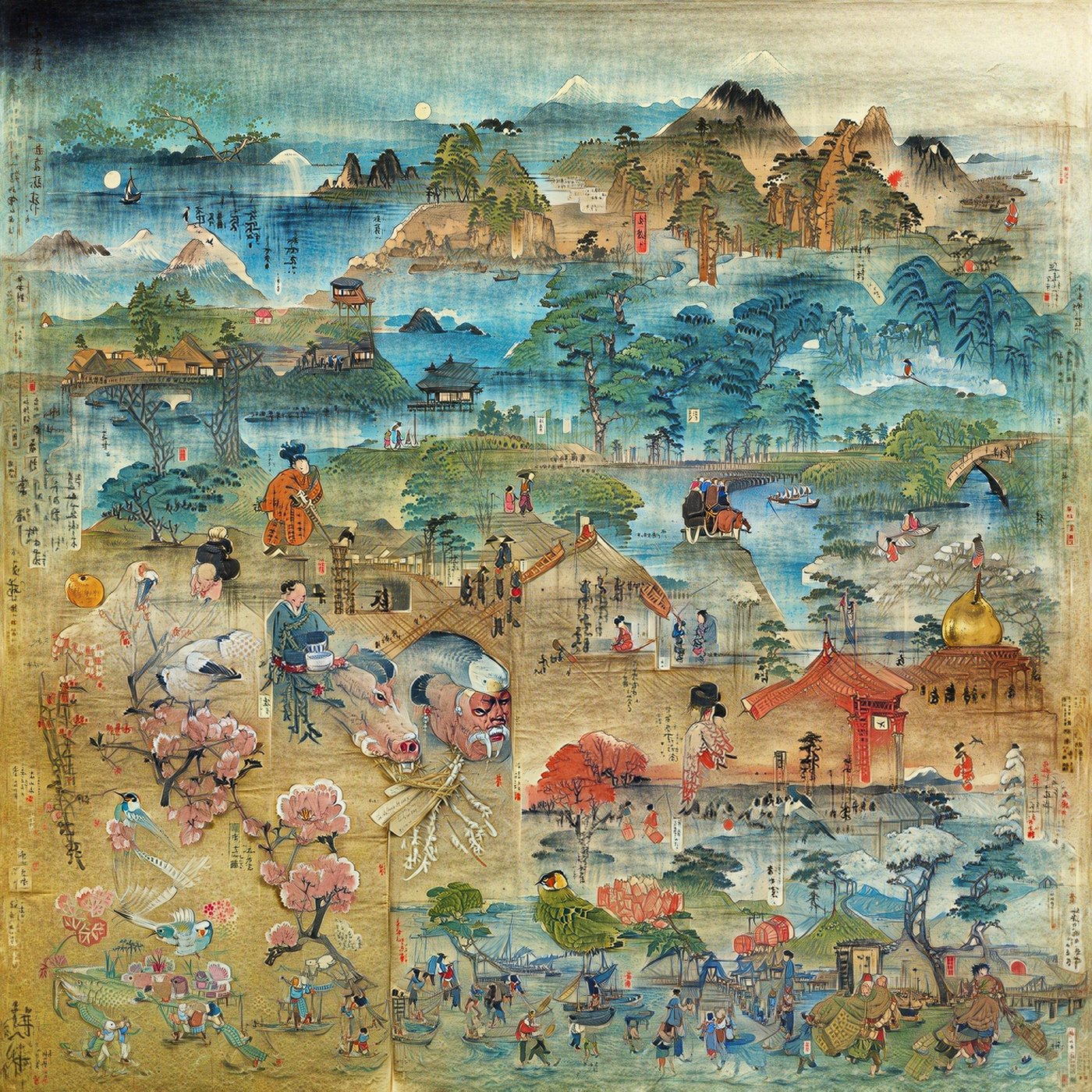
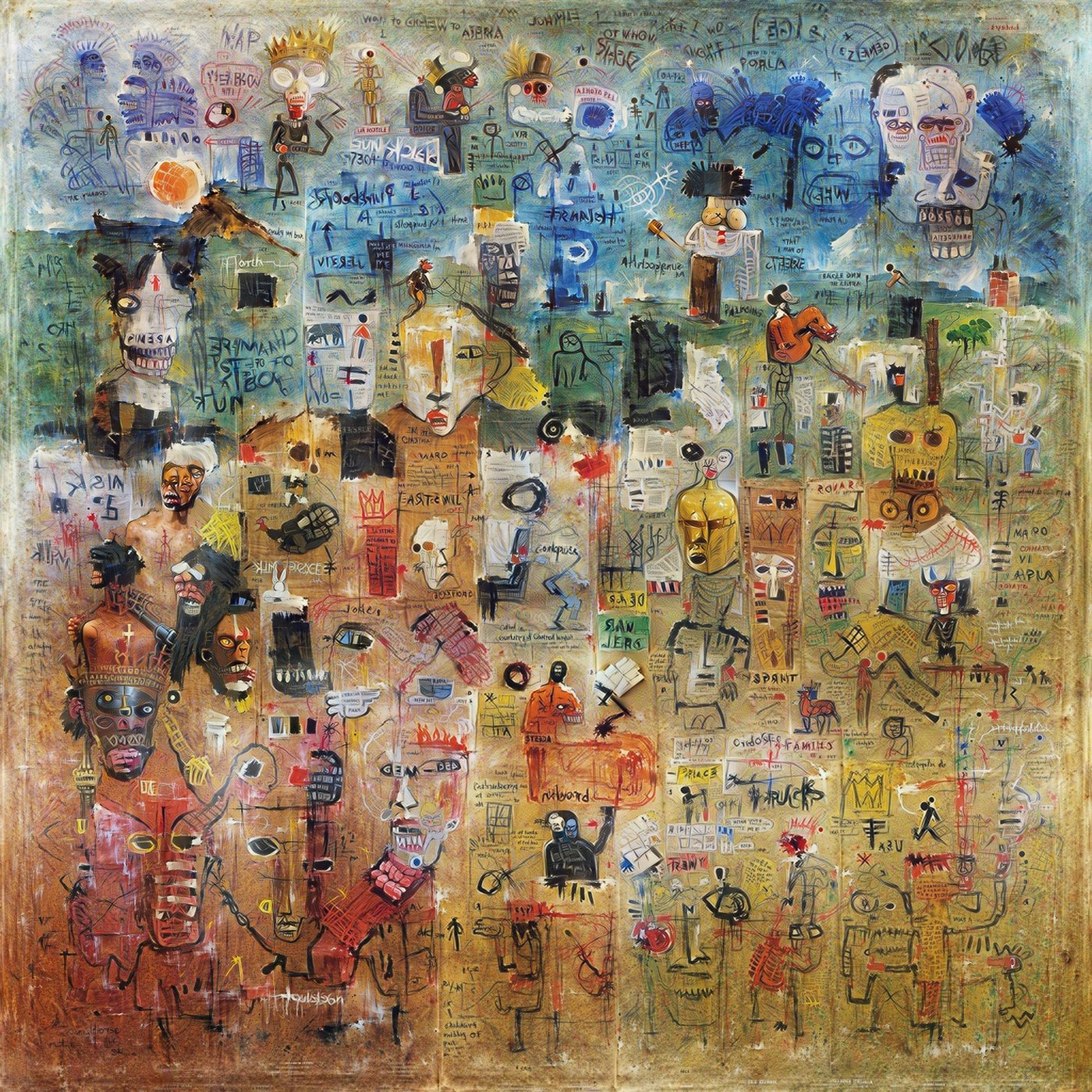
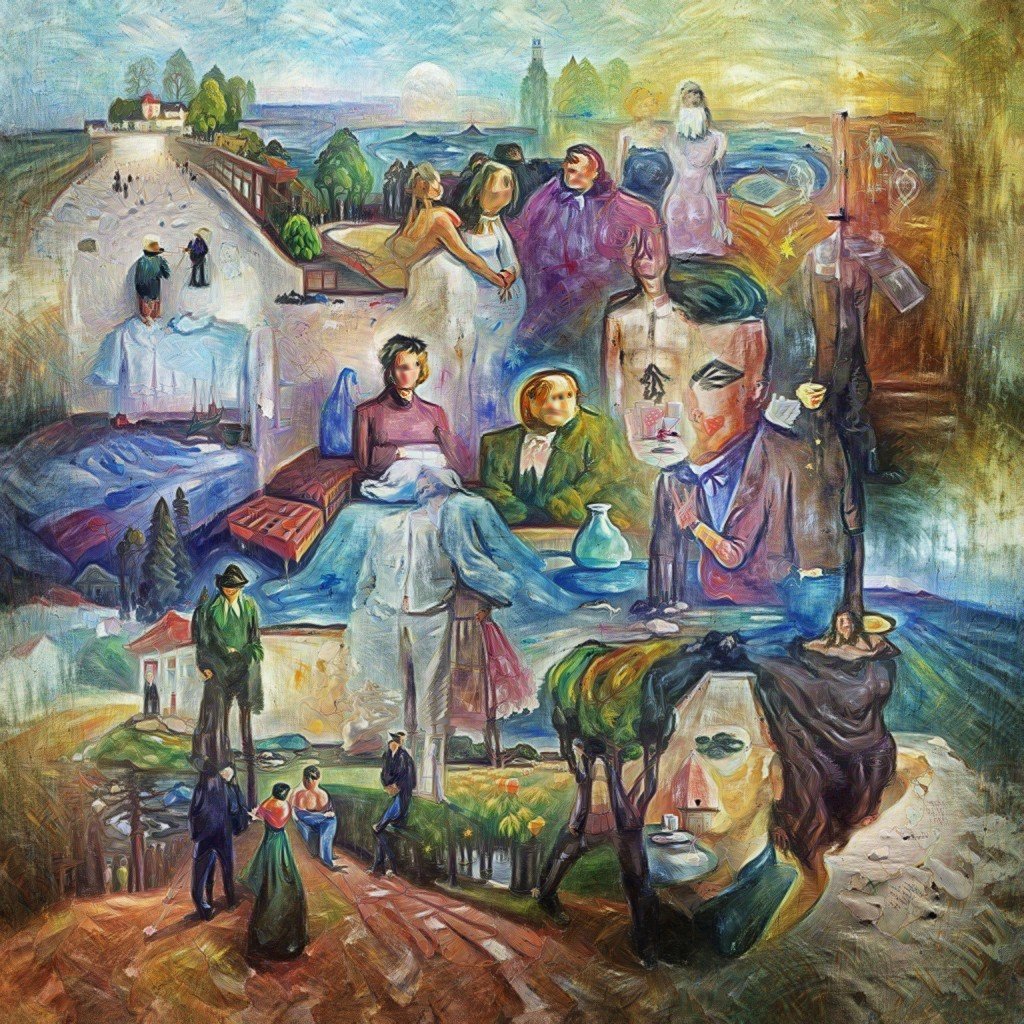
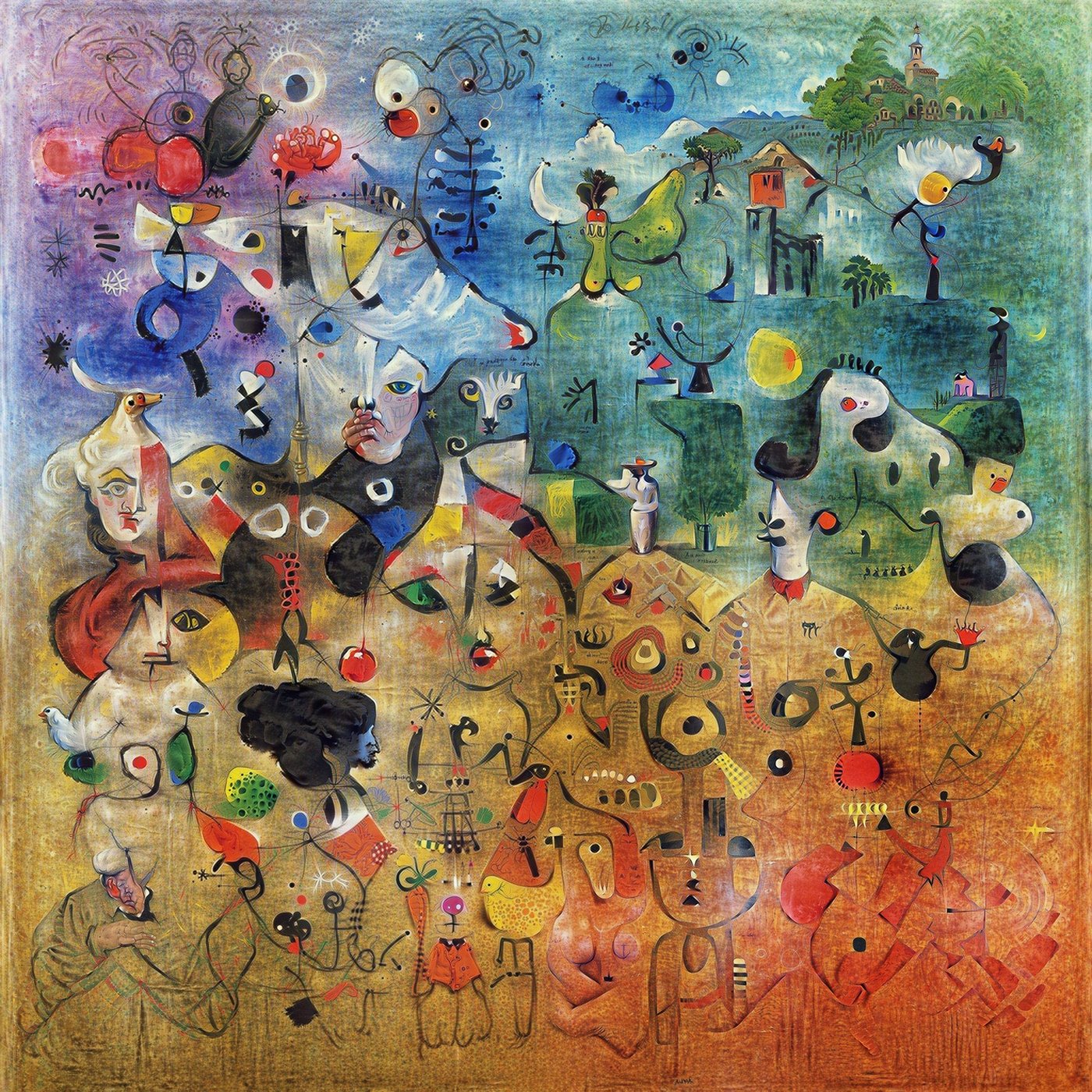
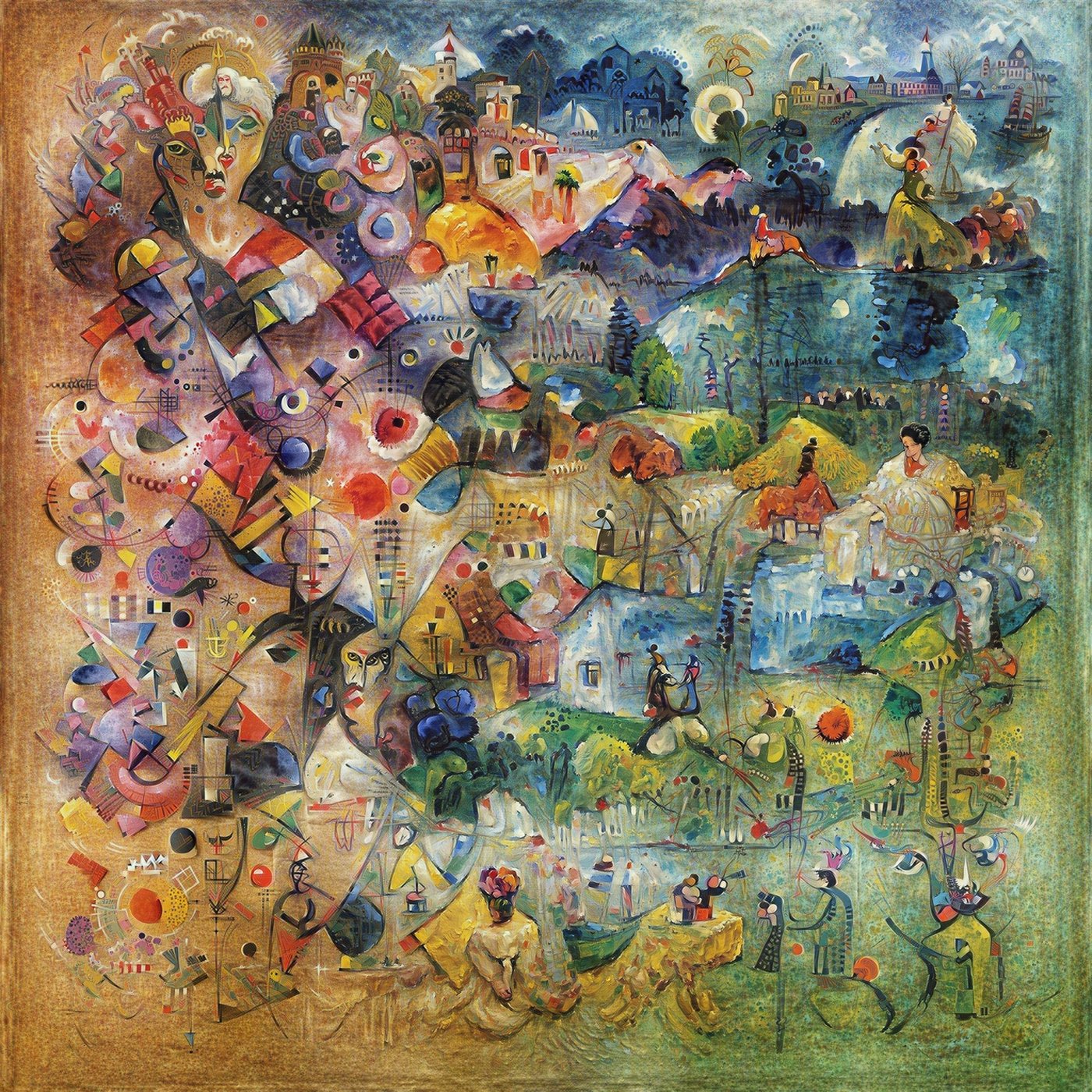
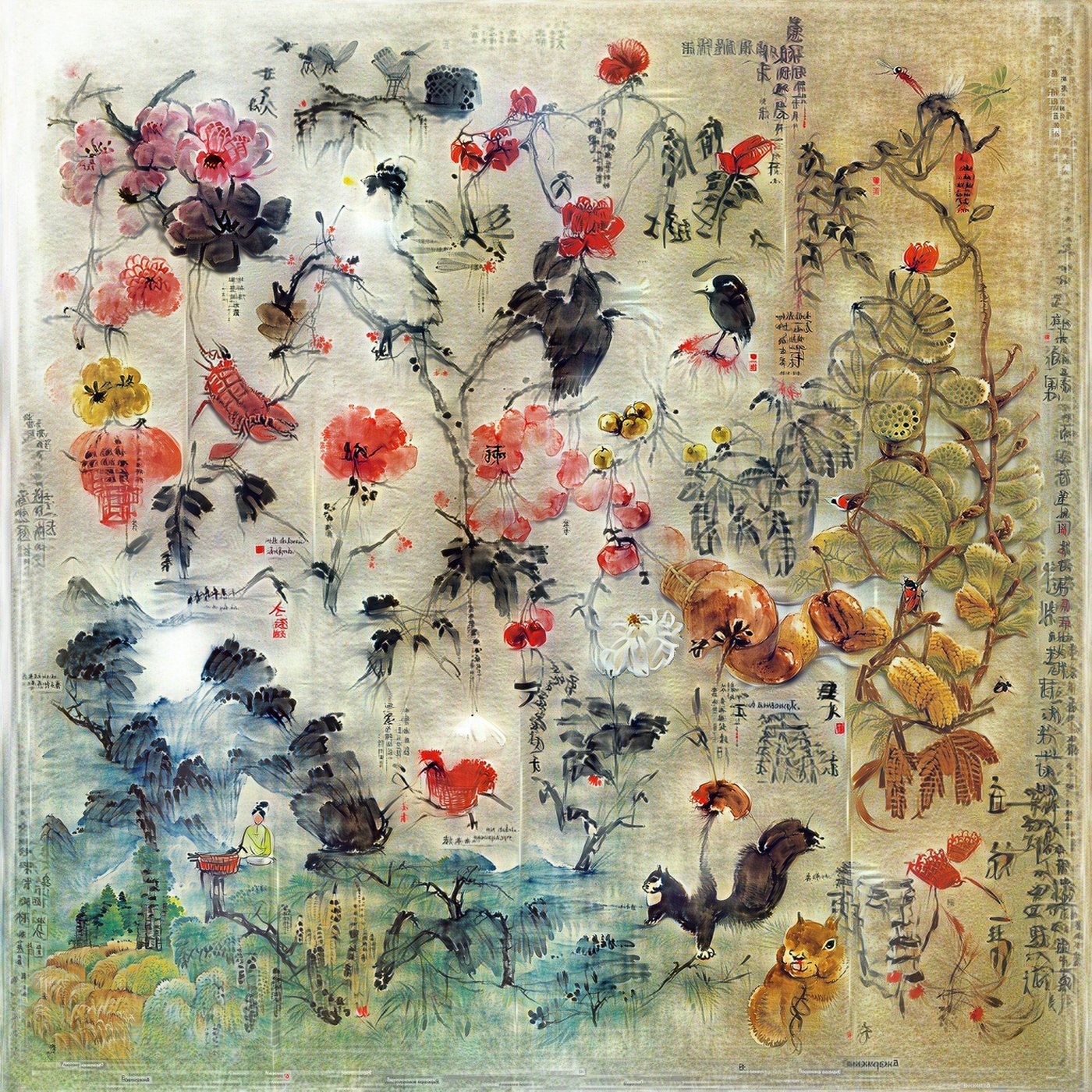
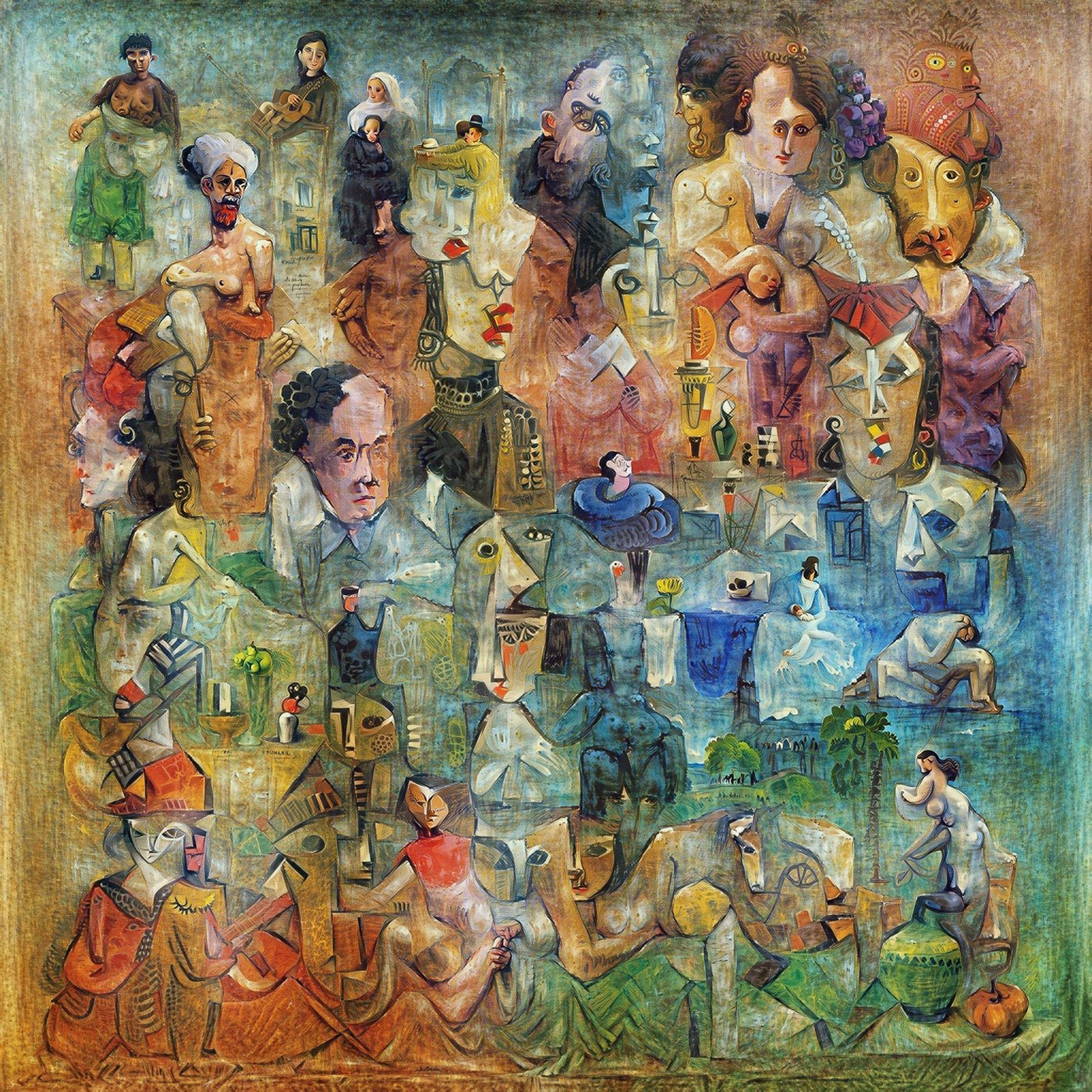
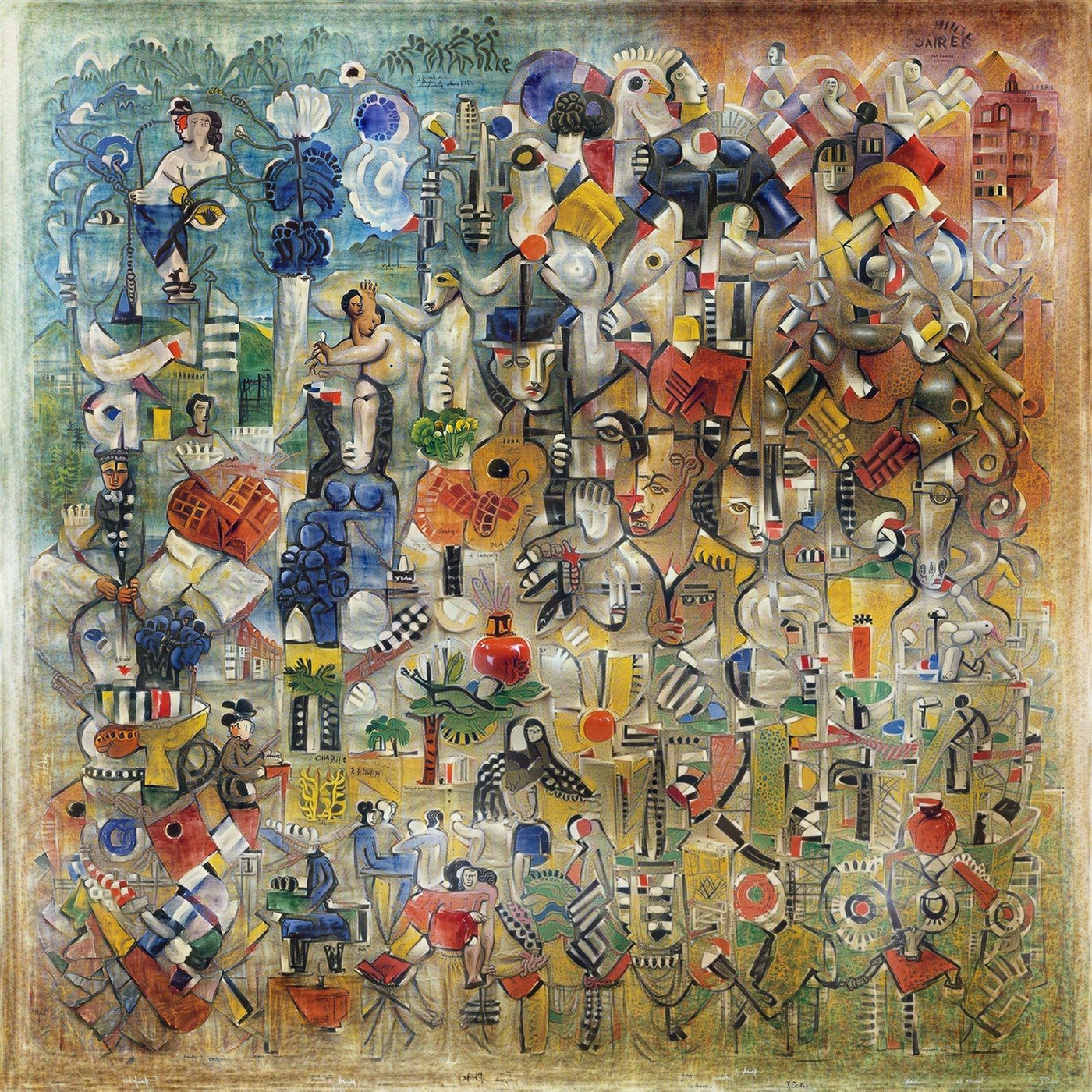
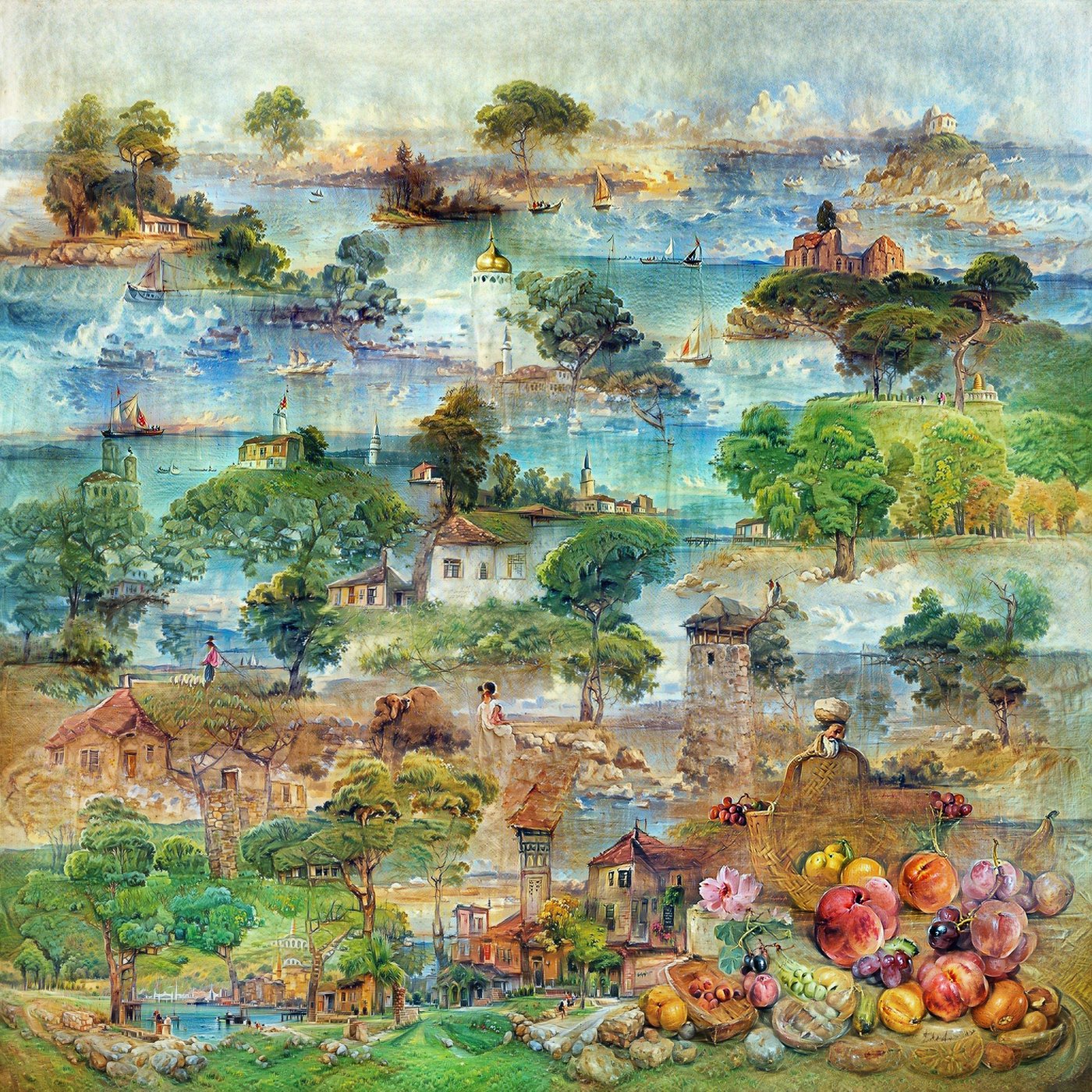
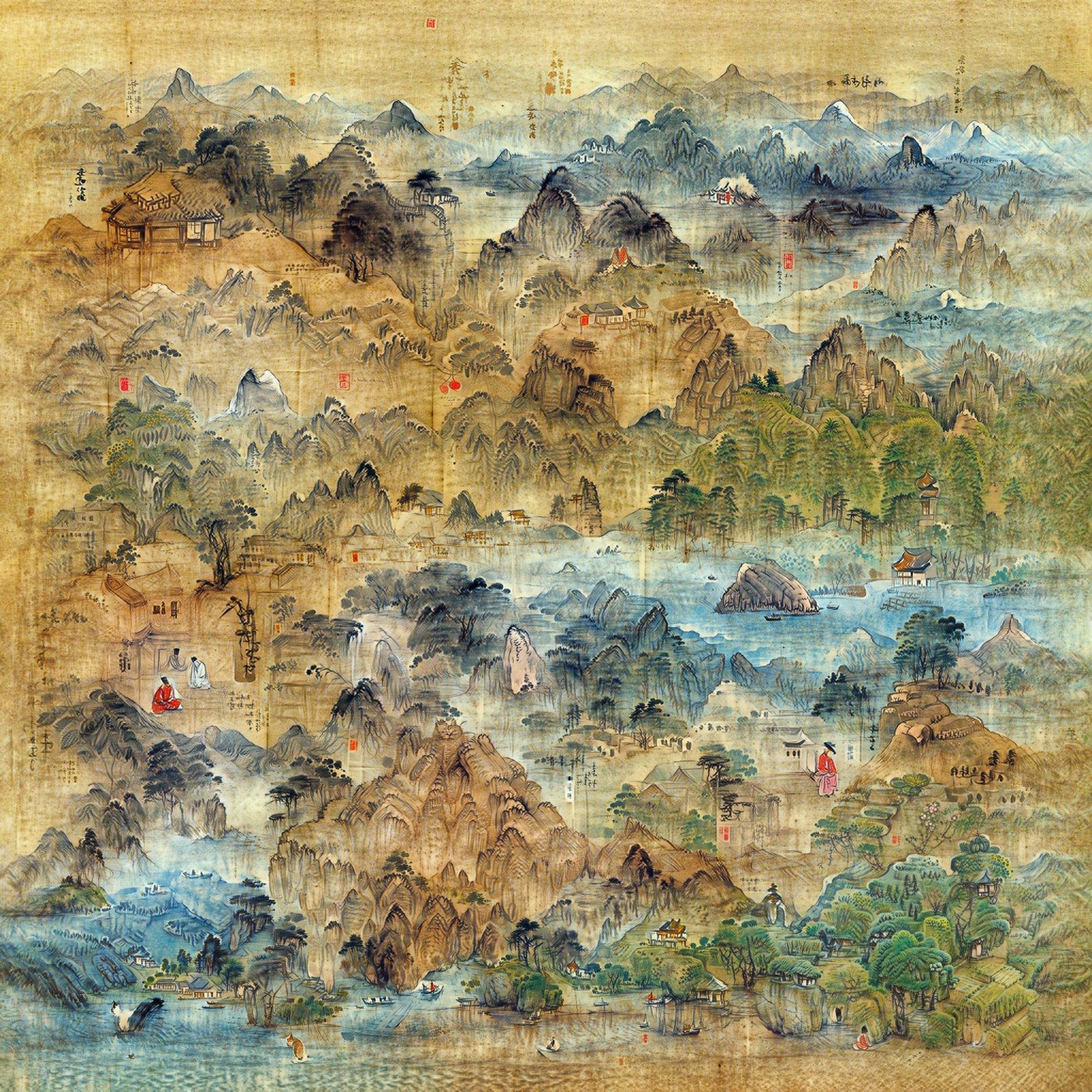
This work aims to capture the essence of each artist’s body of work in a single composite image through the lens of a pre-trained vision encoder. Each image is learned such that its random crops “cover” the distribution of the artist's paintings. There is no generative model here, only the direct optimization of each image to represent as much of the artist’s style as possible: an image worth a thousand paintings.
Rather than the outputs of a generative model, these images are learned via direct optimization to minimize a distribution-matching loss. Specifically, the images are optimized such that random crops cover the distribution of the training set (i.e., the artist’s body of work) in the latent space of some pre-trained vision encoder. An “attractive” force pulls each random crop towards real samples while “repulsive” forces push the crops apart from each other, leading to the high intra-image diversity. This push-pull loss was first used to train a one-step generative model in “Generative Modeling via Drifting” by Deng et al.
Our image synthesis method was originally developed as a “Dataset Distillation” solution used to synthesize small synthetic datasets (i.e., 10 images per class) that cover the same distribution as the real data (i.e., ImageNet). Please see our paper “Dataset Distillation via Drifting” for more details.

George is a PhD student at MIT studying Computer Vision and Machine Learning. He’s interested in image synthesis for dataset learning and understanding.
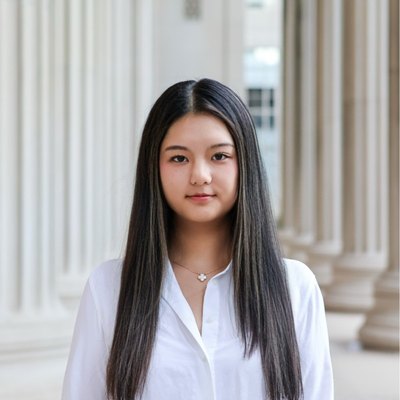
Angelina is an undergraduate student at MIT studying Computer Science and Mathematics. She's interested in building toward agentic intelligence through computer vision and reinforcement learning research.

Giannis is an Assistant Professor at MIT Sloan as part of the Operations Research and Statistics group. He works on important practical and theoretical questions around deep generative models with a focus on training and sampling generative models in the presence of data corruption.

Antonio is a professor at MIT CSAIL where he is head of the AI and Decision-Making faculty in the EECS department. He is a leading researcher in computer vision and machine learning, known for his work on scene understanding, image recognition, and datasets like SUN and Places.

Vincent is an Associate Professor at MIT where he leads the Scene Representation Group. Vincent's research goal is to build embodied artificial general intelligence - essentially, robots that can inhabit our world alongside humans, that explore it on their own volition, and that - just like humans - can expand their understanding of our world by interacting with it and learning from their interactions.