
1 / 11
In-between live matter is an audiovisual work that follows overlooked urban plant life through the lens of uncertainty, exploring what exists between the observed, the imagined, and the classified.
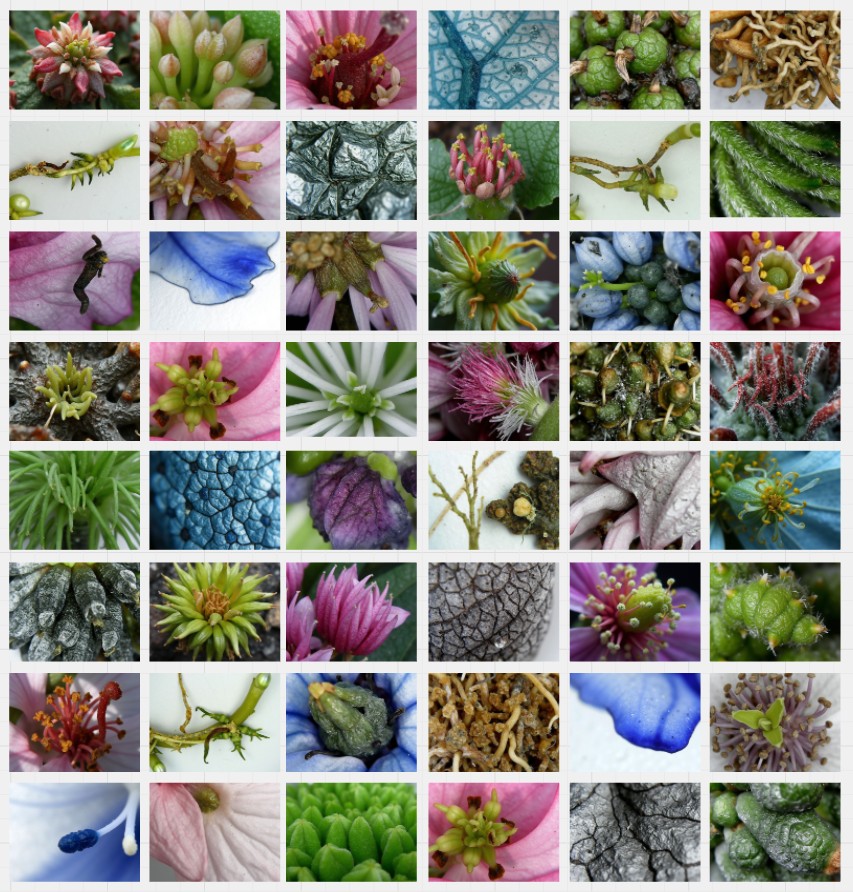
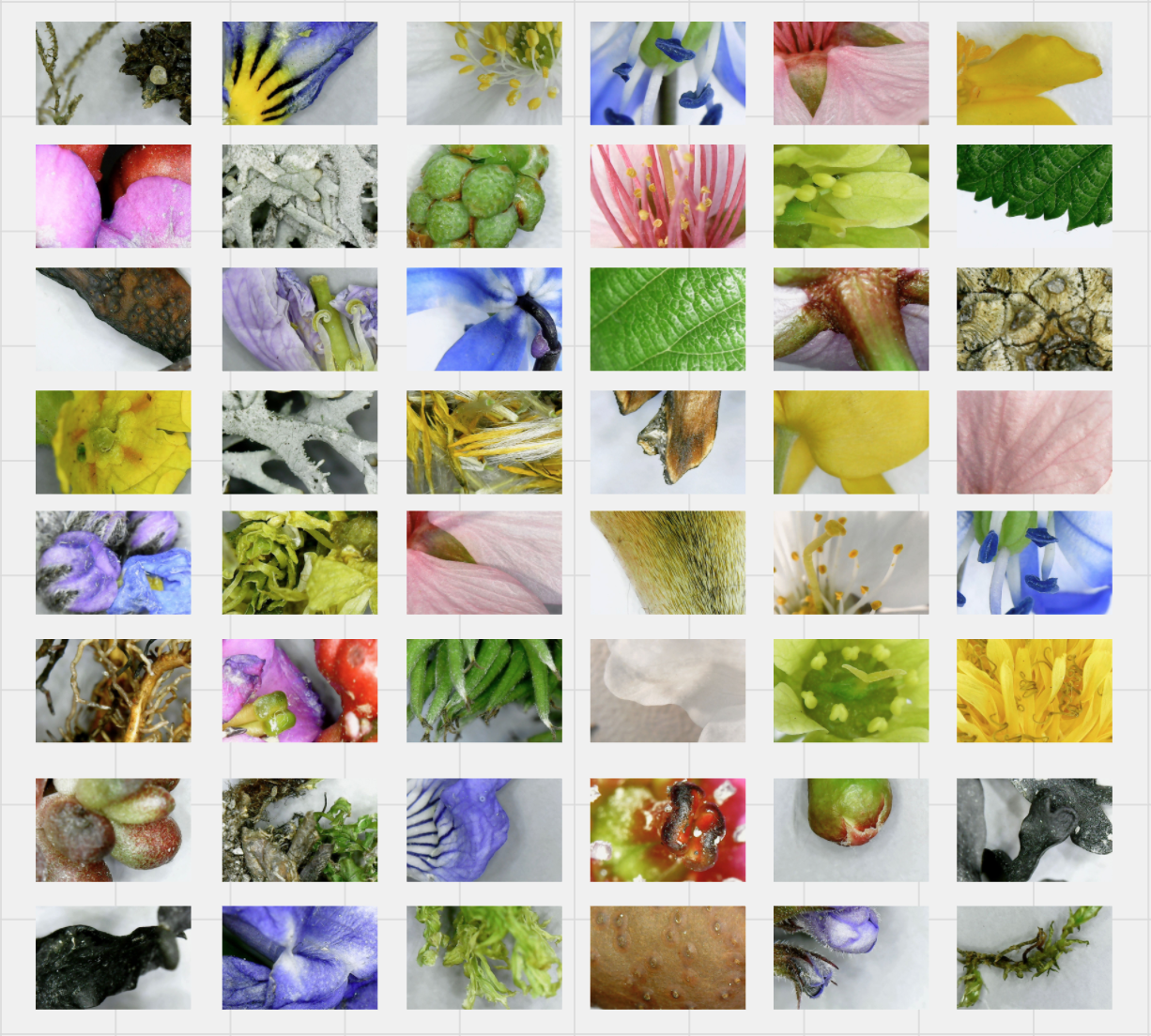
The work begins with fragments of life found in-between the cracks of the urban environment: mosses, lichens, seaweed, seeds, and leaves gathered from pavement edges, waterfront surfaces, and hidden street corners. Examined through microscopy, these fragments move away from recognisable plants and become textures, fibres, and ambiguous living surfaces.
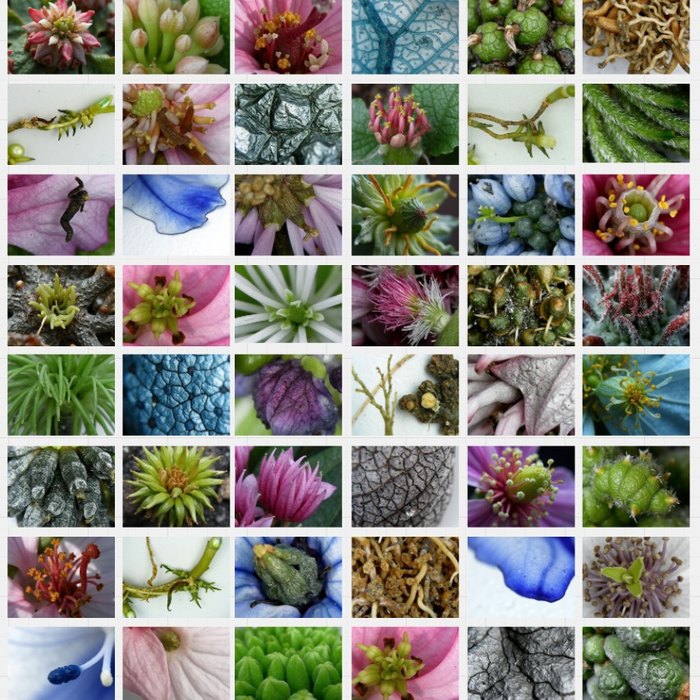
From these traces, the work moves into the space between the real and the imaginative, generating possible plant forms that exist somewhere between observation and speculation. These organisms continuously transform and merge into one another, resisting fixed identities and challenging systems of categorisation.
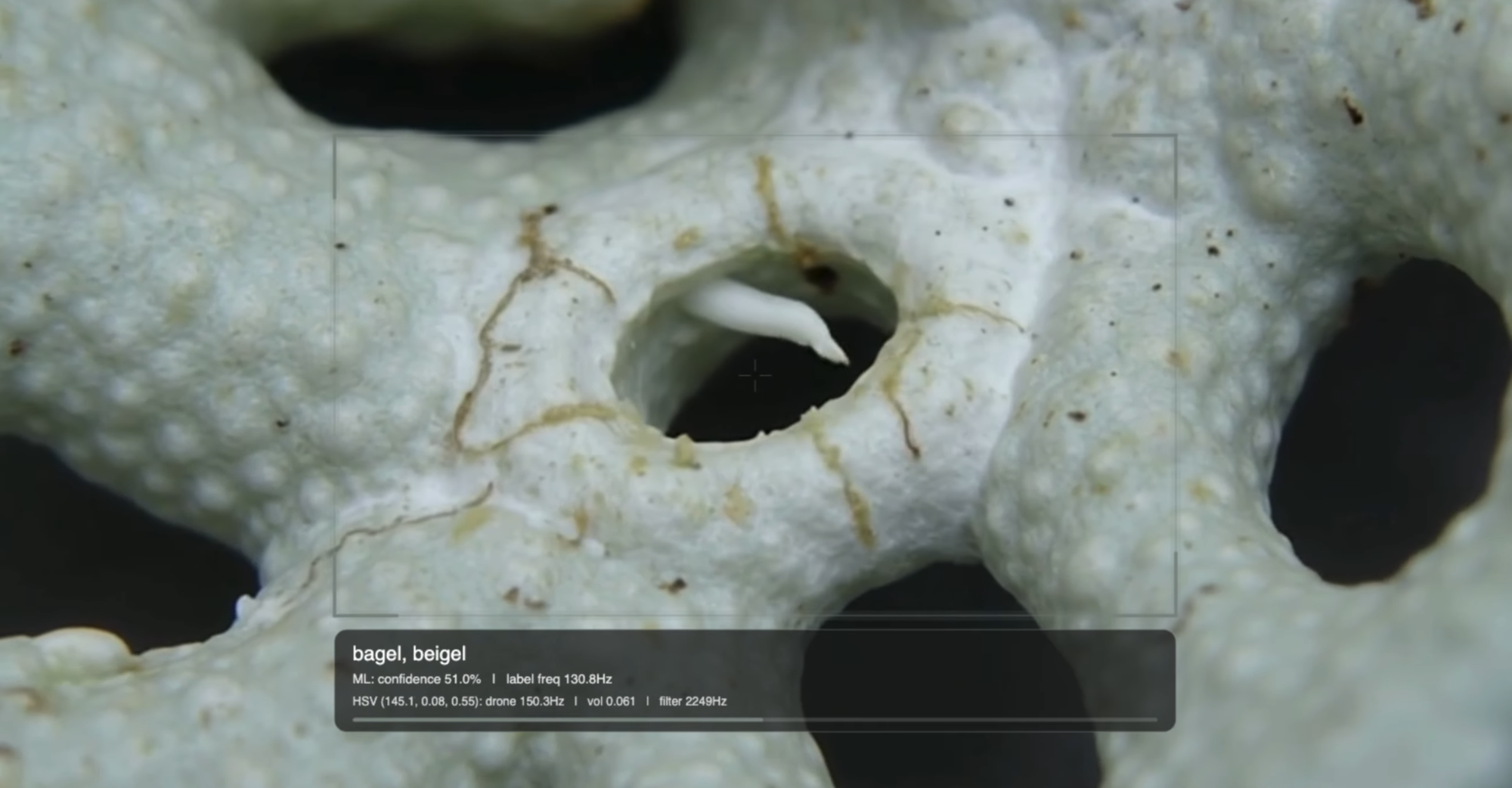
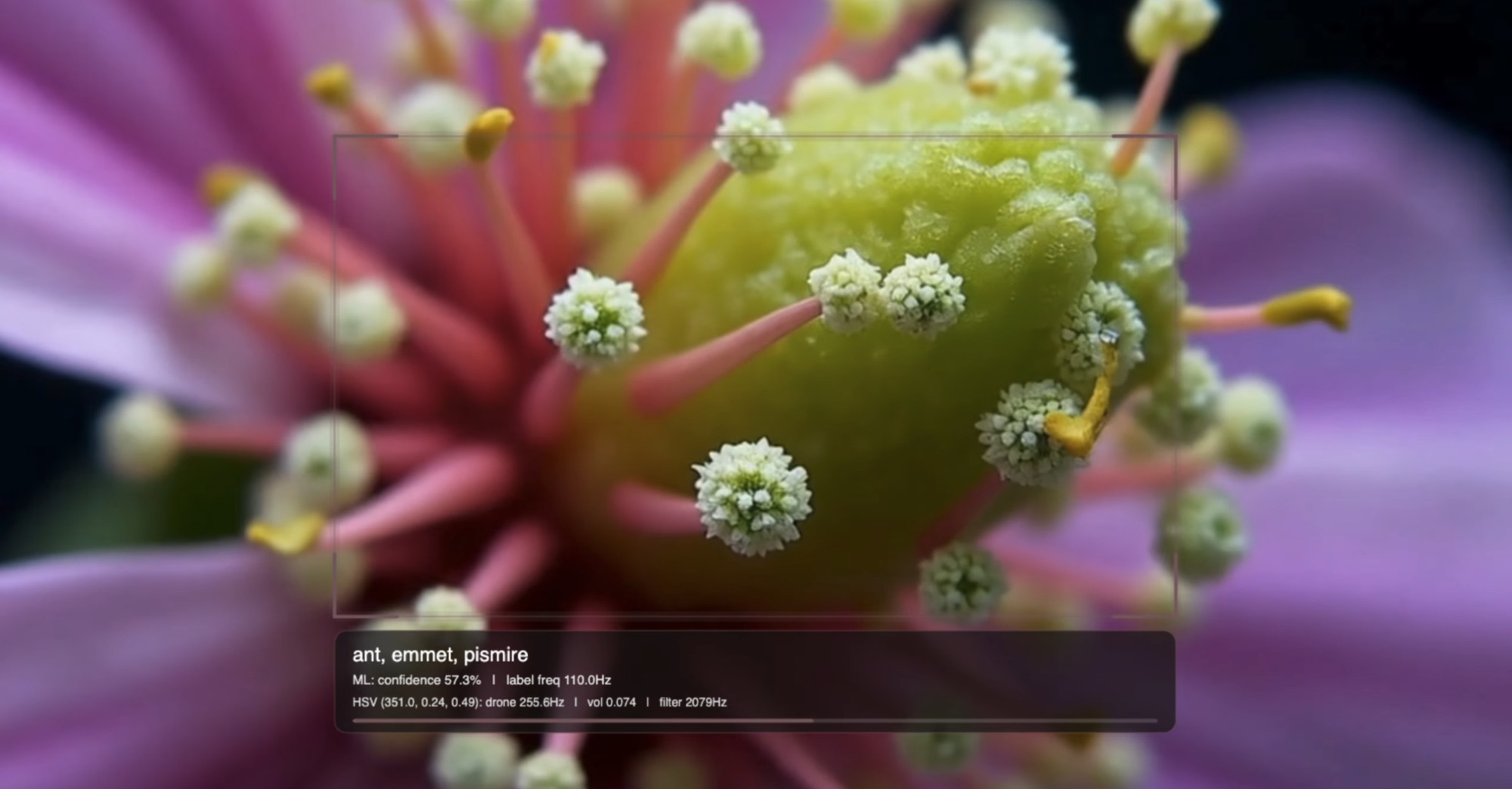
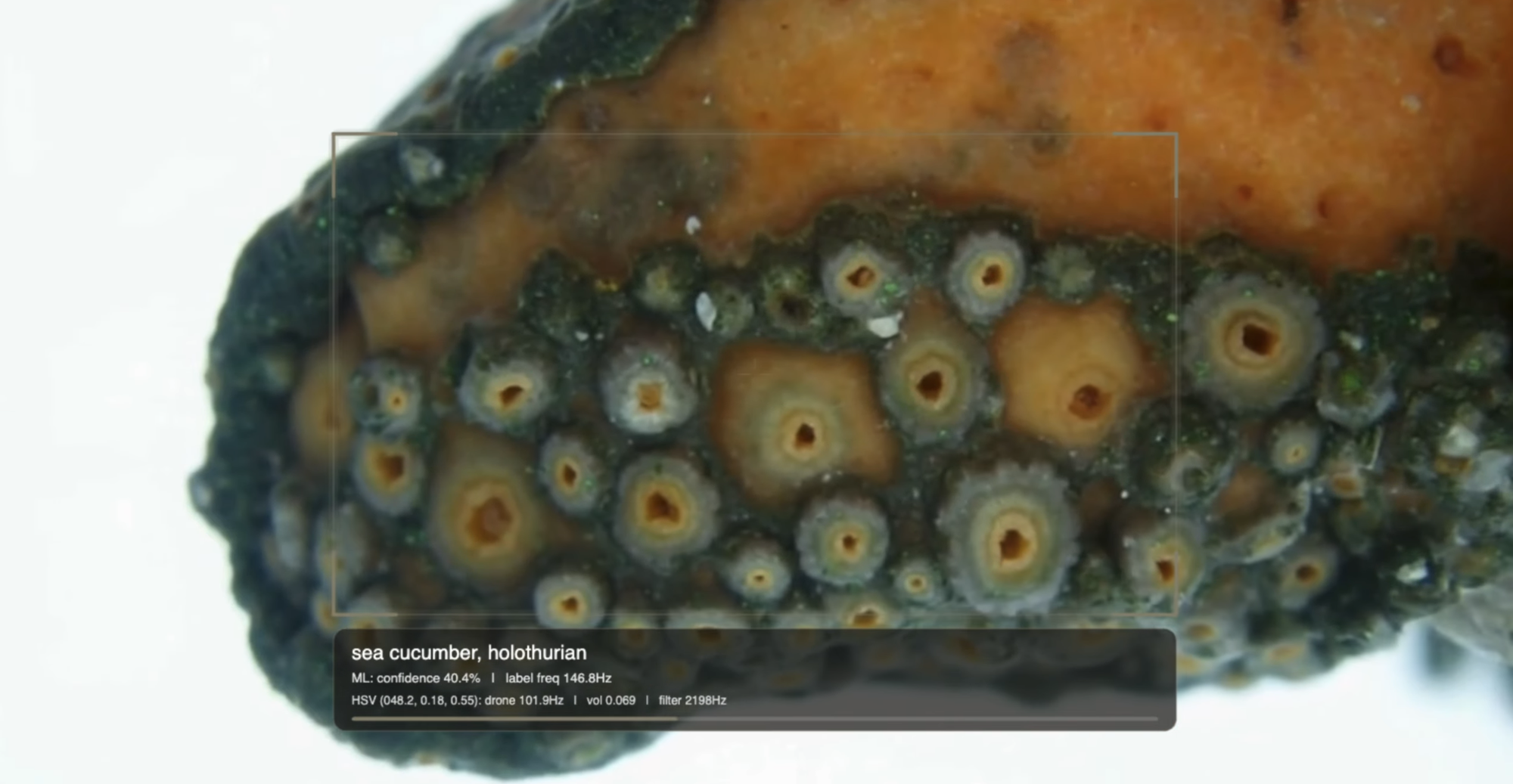
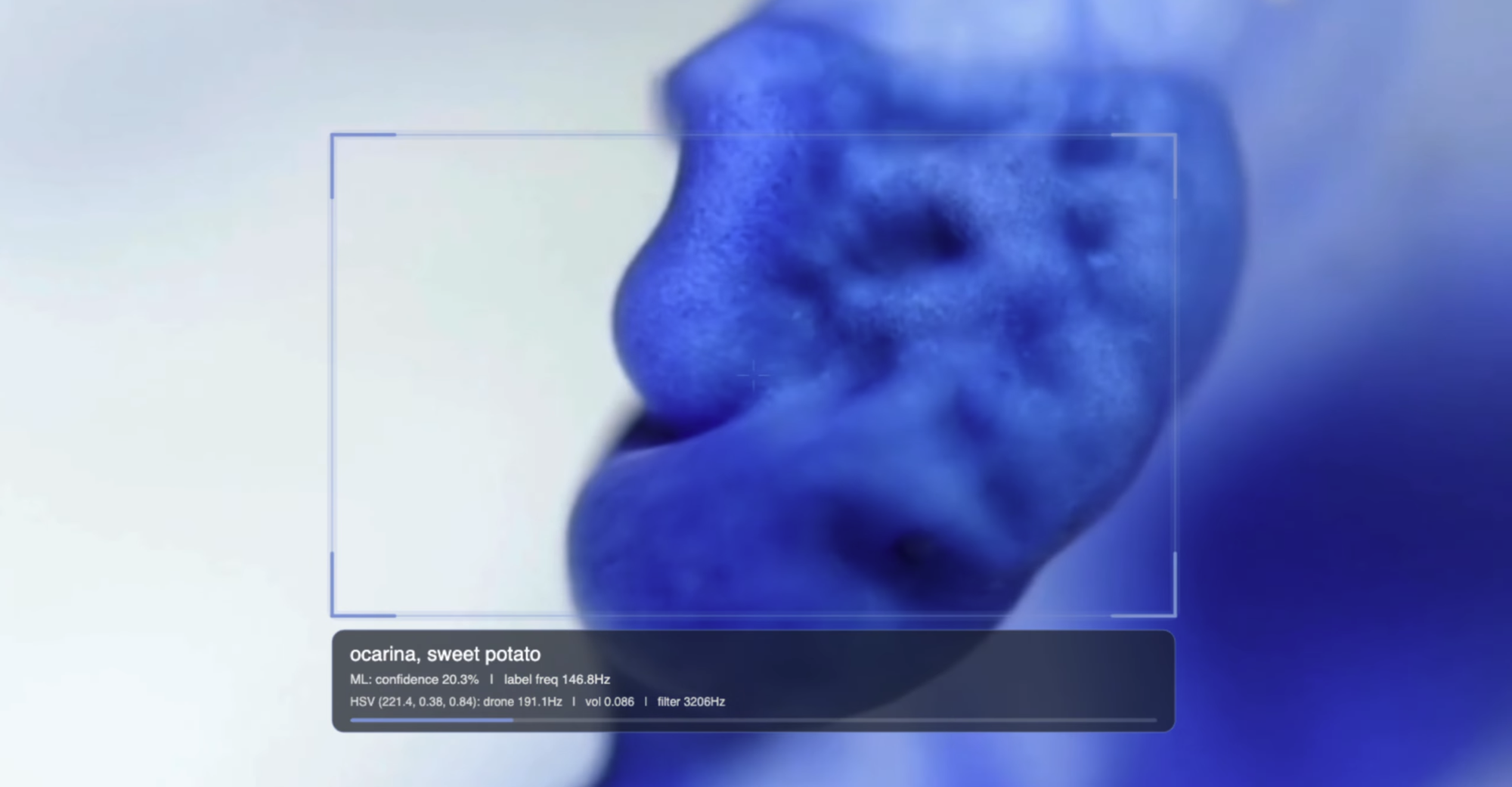
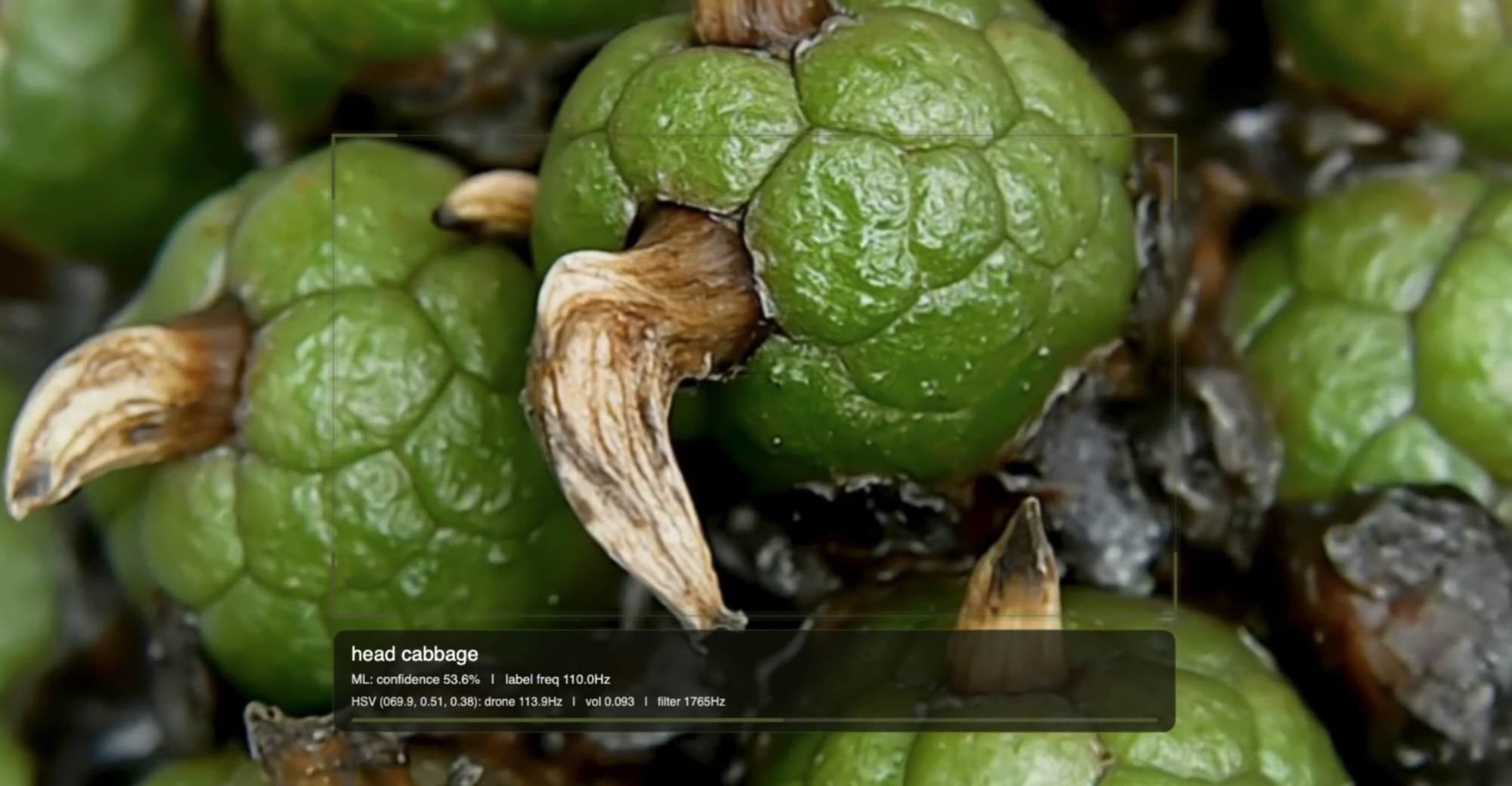
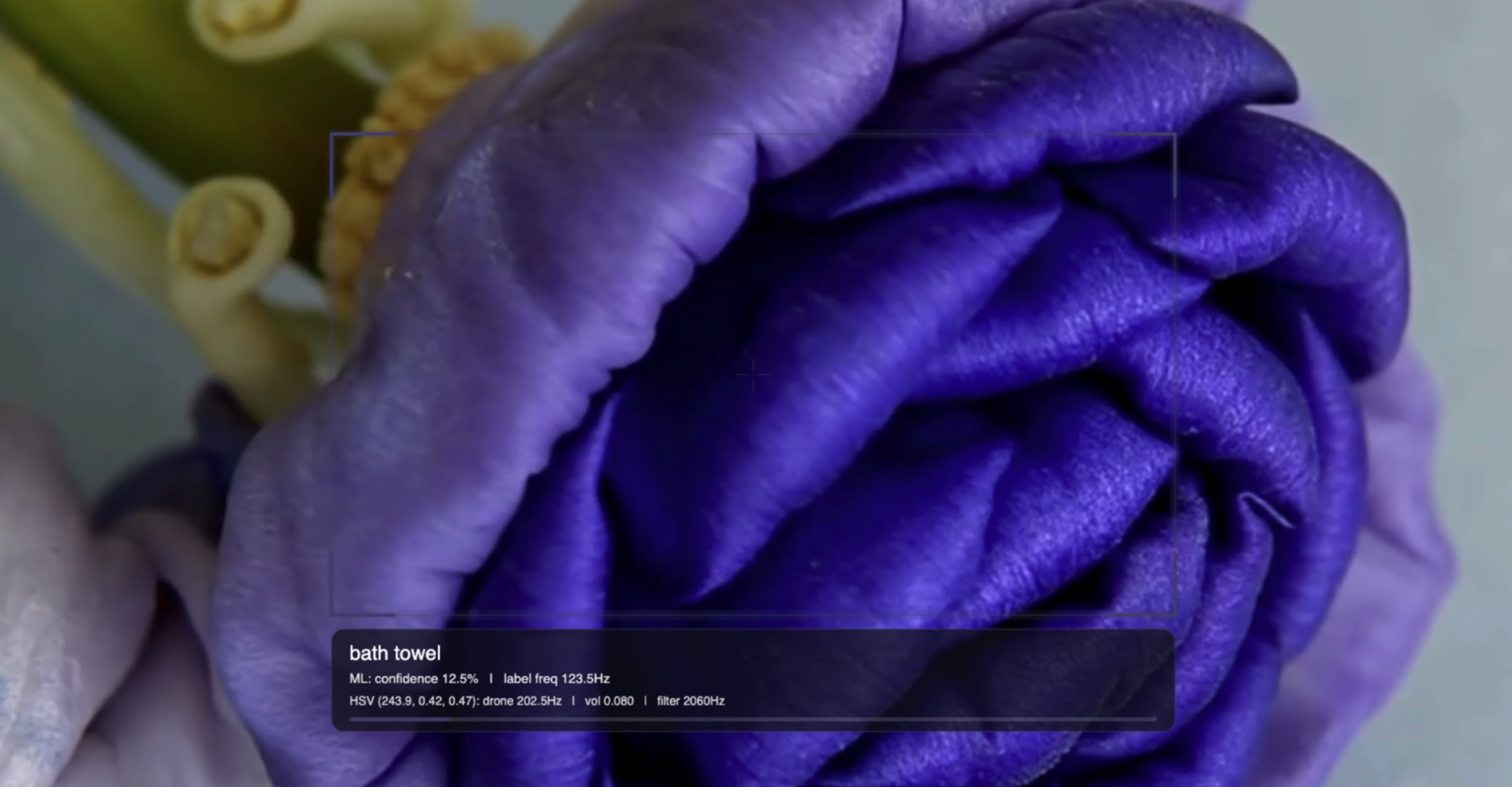
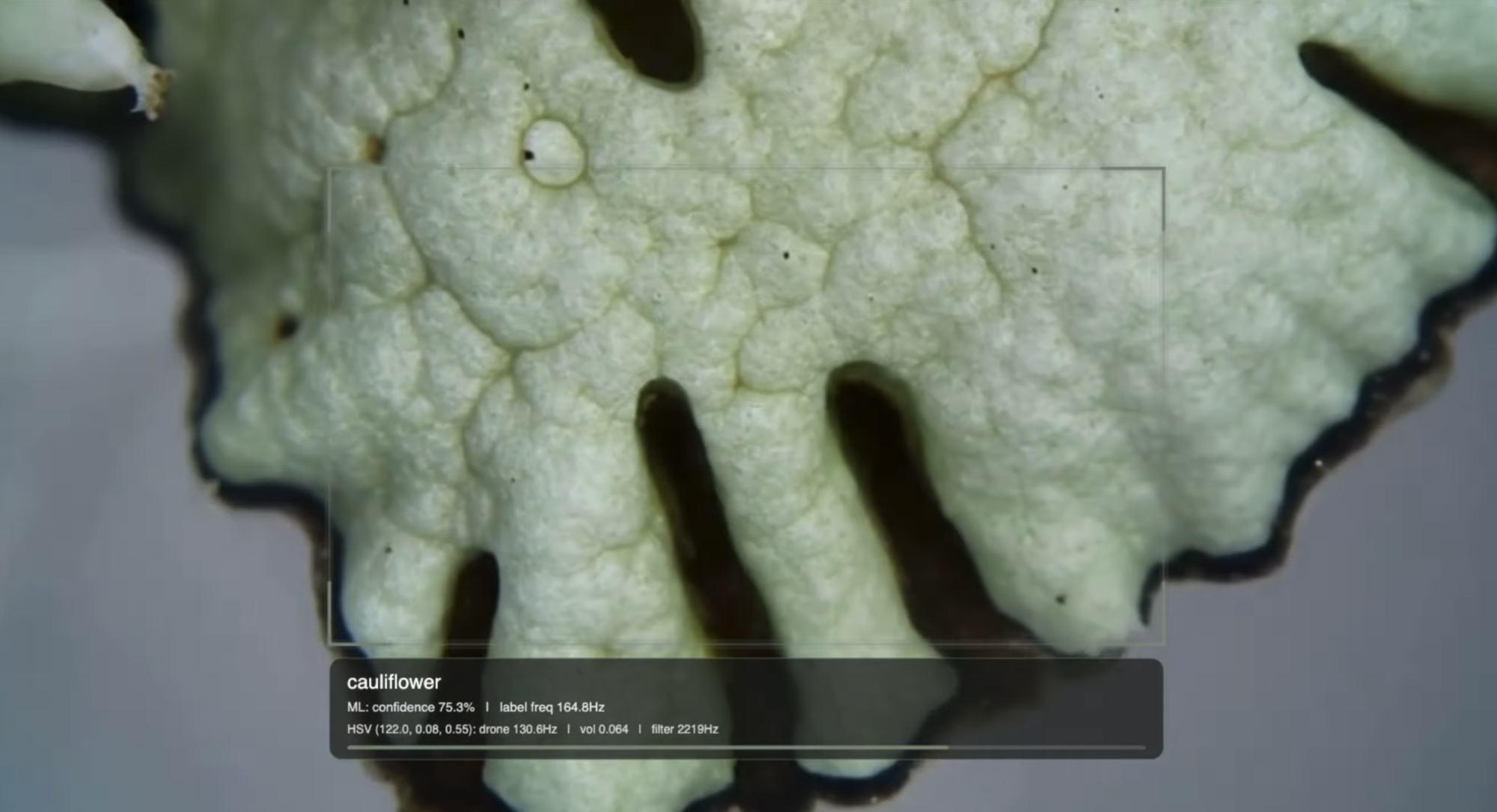
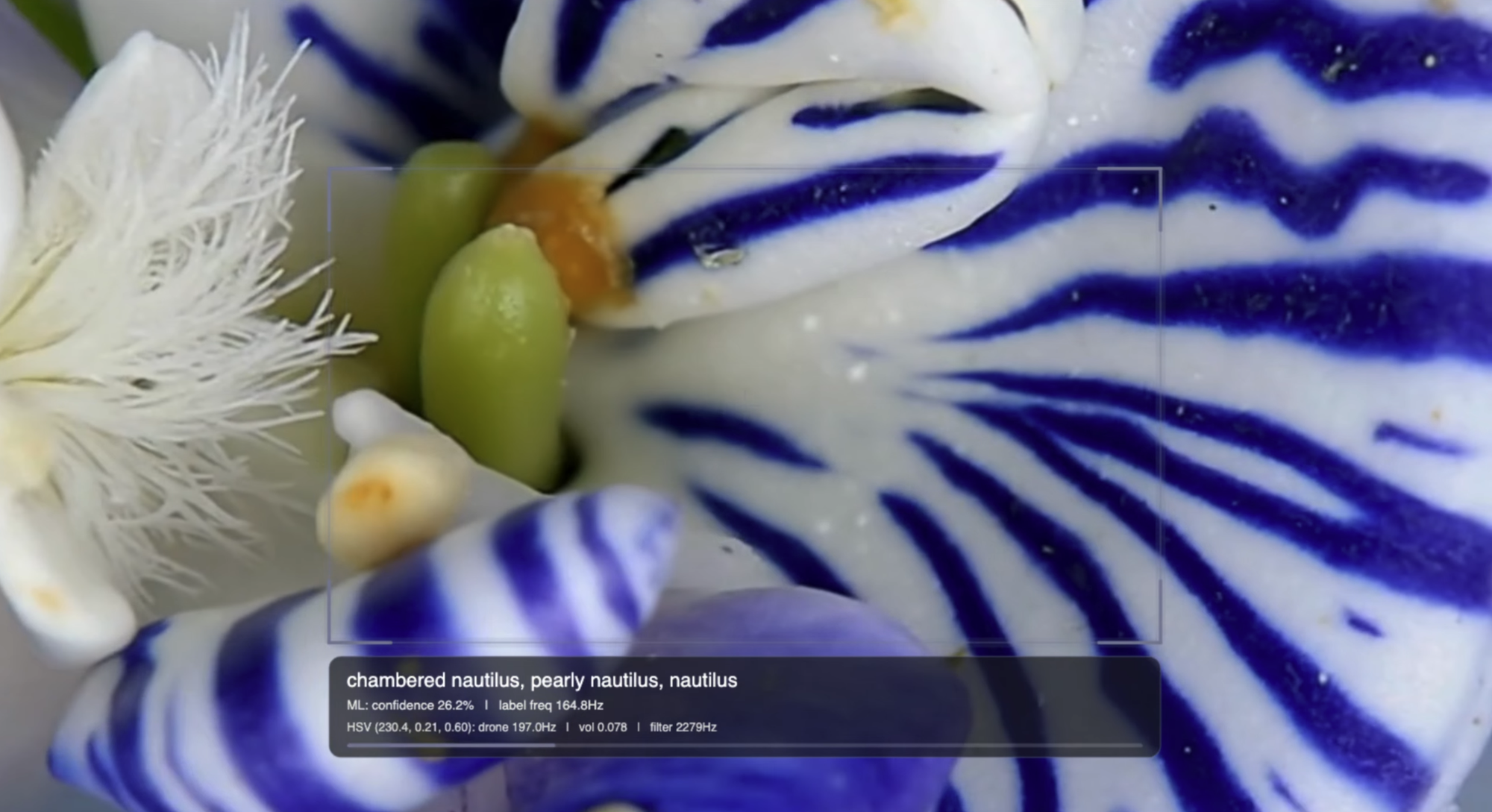
The work approaches computer vision as a system for sensing uncertainty. The act of labelling, classifying, and assigning meaning becomes a central part of the encounter: as the machine attempts to recognise these forms, uncertainty becomes visible and audible. Confidence scores and unstable classifications are transformed into variations of sound, where moments of ambiguity become part of the composition.
Through this process, moss, lichens, seaweed, microscopic fragments, and generated plants become live matter between organism, dataset, and machine perception, existing in a continuous state of becoming.
In-between live matter is an audiovisual system combining microscopy, generative image models, computer vision, and real-time sonification.
The input material consists of a self-collected dataset of organic traces from Oslo’s urban environments, including mosses, lichens, seaweed, seeds, and leaves. The samples were examined and photographed through a microscope to create a visual archive of textures and structures. This archive was used to train a LoRA model that generates speculative plant forms based on the collected material.
The generated images are assembled into a continuously transforming video stream using image-to-video AI generation models. The resulting video is then analysed frame-by-frame by a system developed with p5.js, p5.sound, and ml5.js. Computer vision analysis consists of image classification and colour analysis: MobileNet produces predicted labels and confidence scores, while HSV analysis extracts hue, saturation, and value information.
These outputs are mapped to audiovisual parameters. Classification confidence values influence the behaviour of the sound synthesis, while colour information controls elements including drone pitch, volume, and filter brightness. The computer vision outputs are also displayed as part of the visual interface, including the predicted labels and confidence scores generated by the classification model.
The final output is an audiovisual system where the dataset, generative model, computer vision analysis, and sound synthesis are connected in a continuous pipeline. The generated plant forms are analysed by the computer vision system, and the resulting classification and visual data drive the interface and sound environment.
Lida Zacharopoulou
Lida Zacharopoulou is an interdisciplinary artist, creative technologist, and AI engineer from Athens, Greece. Her work investigates how artificial intelligence and technology shape our perception of the world and the connections between reality, memory, and fiction. Through speculative research, worldbuilding, and storytelling, she uses and critiques algorithmic systems to address their social, political, and ecological implications. She holds a BS in Computer Science, an MS in Cognitive Systems and Interactive Media, and an MA in Digital Arts. She has taken part in residencies and exhibited her work internationally. Projects include Blackbox AI (HCII 2023, Springer), Digital No-Man’s (Best Artwork, CVPR AI Art Gallery 2024), and Niros Archipelago (2026).