
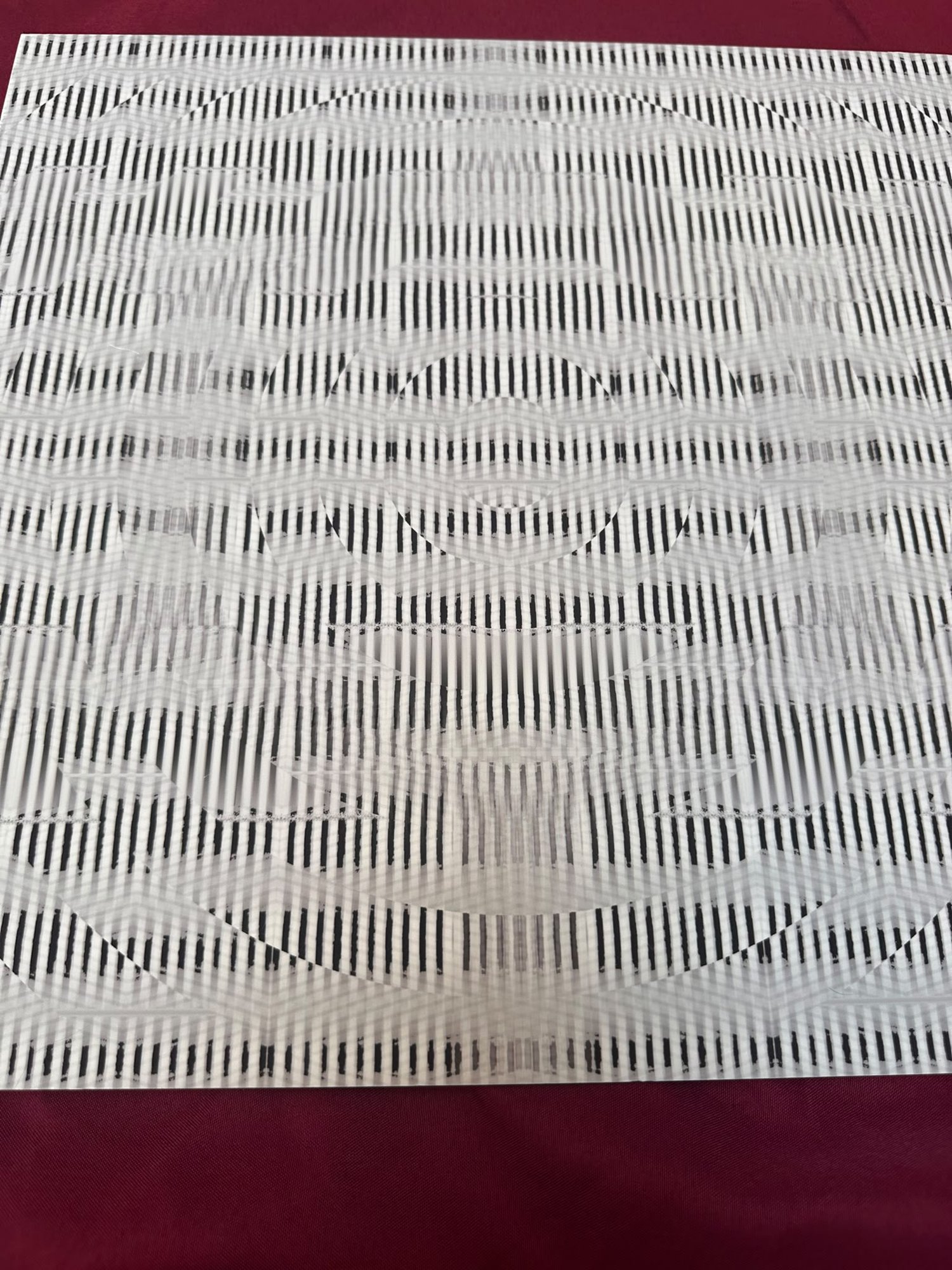
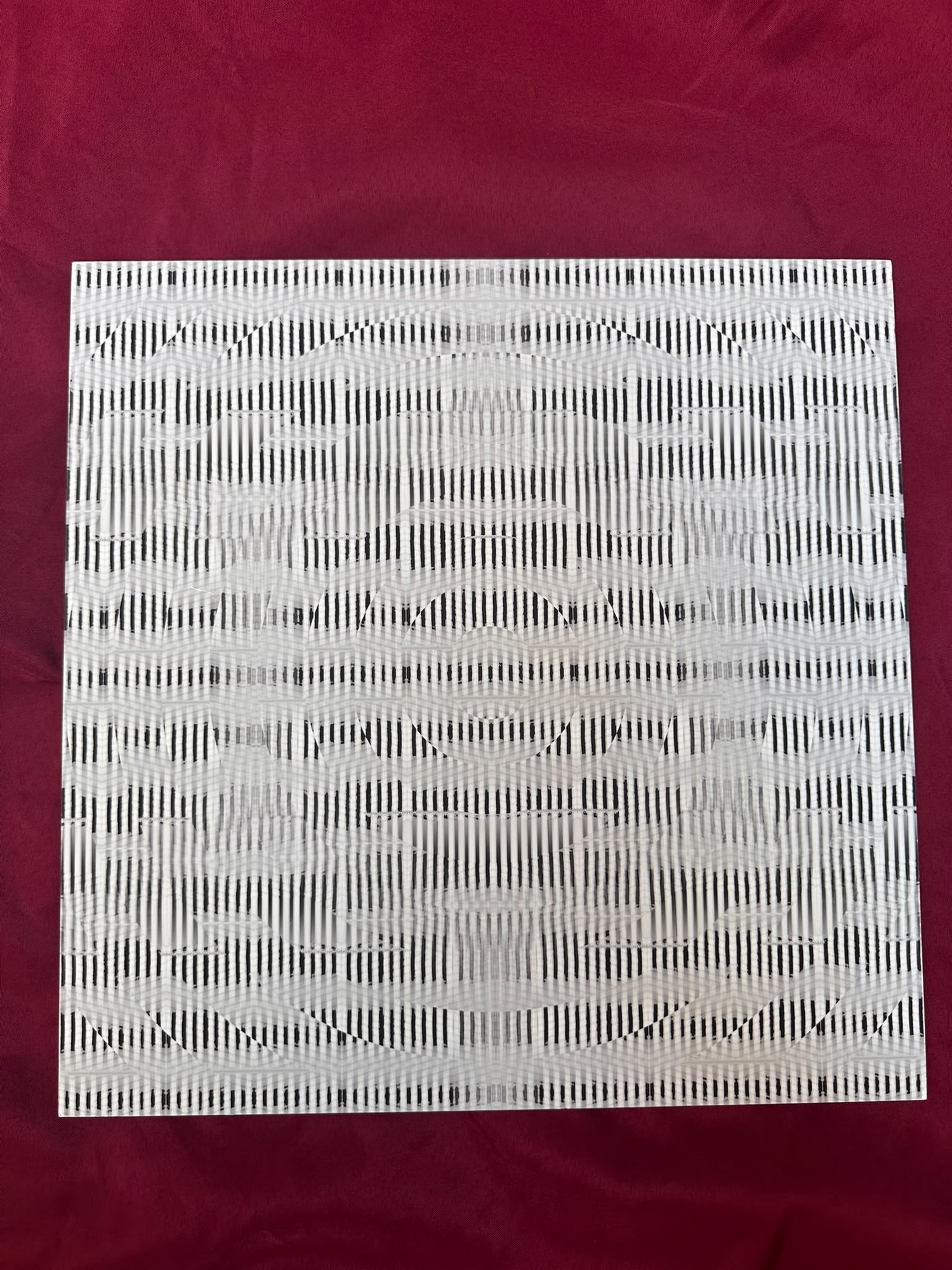
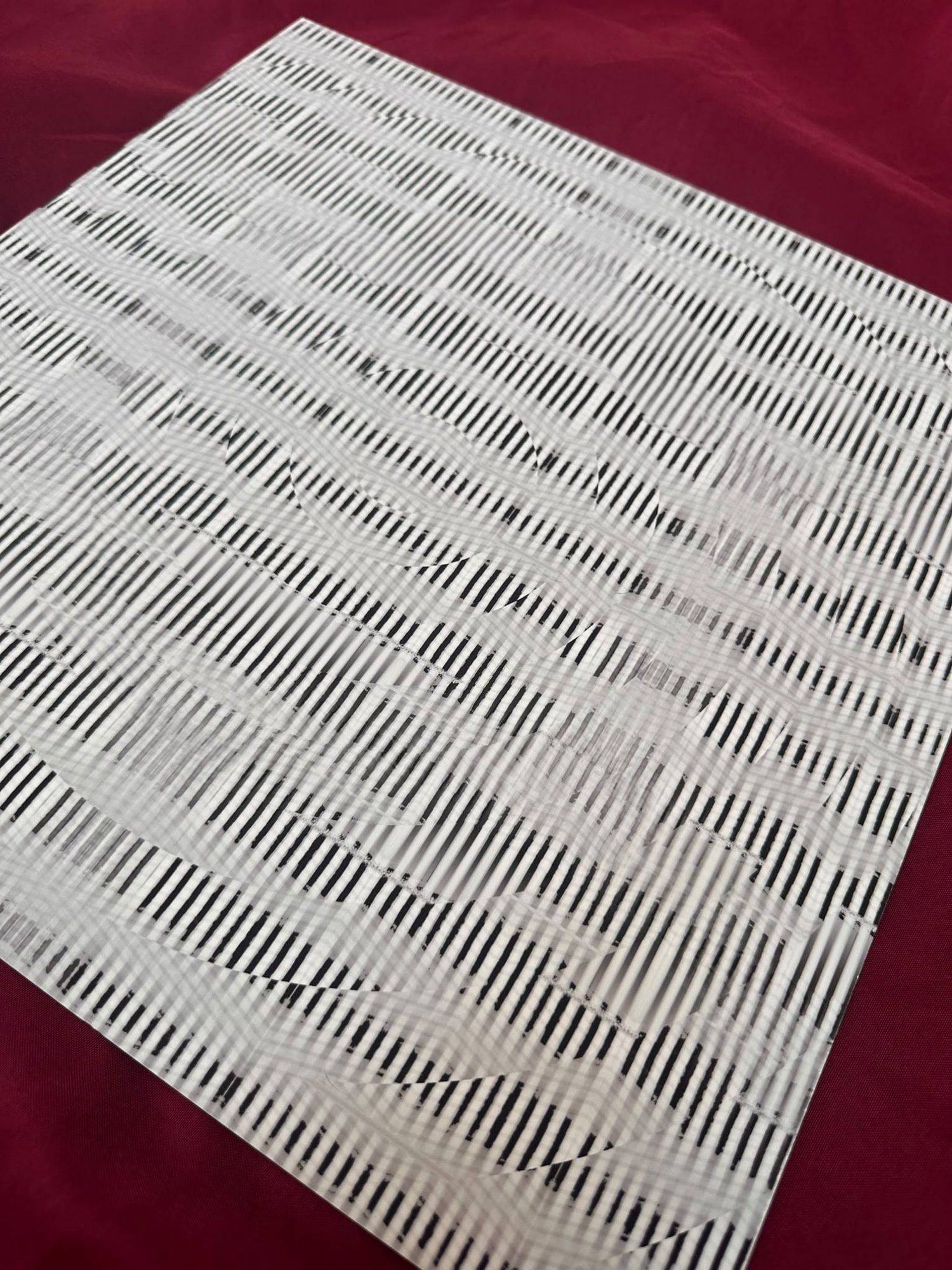
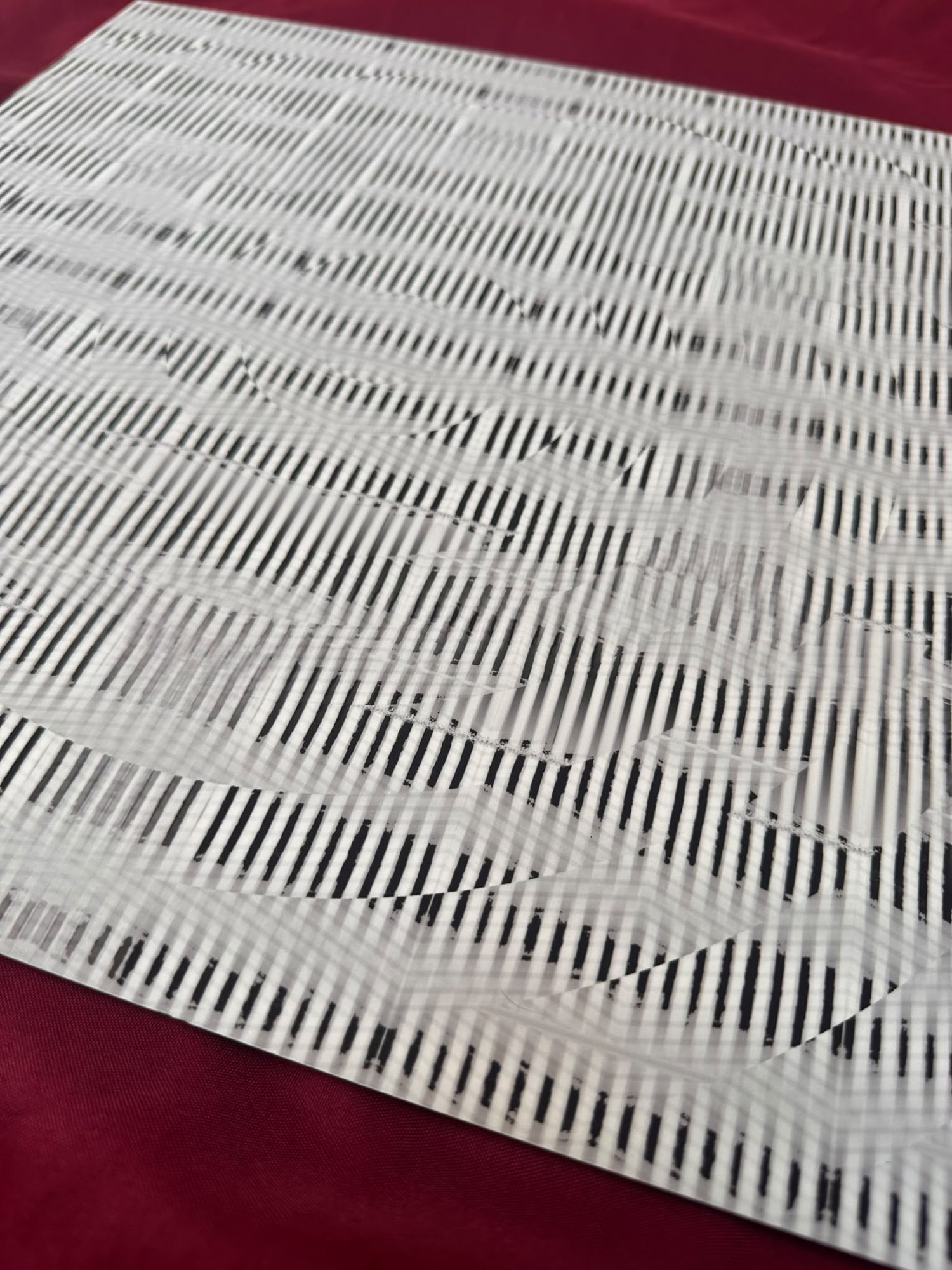
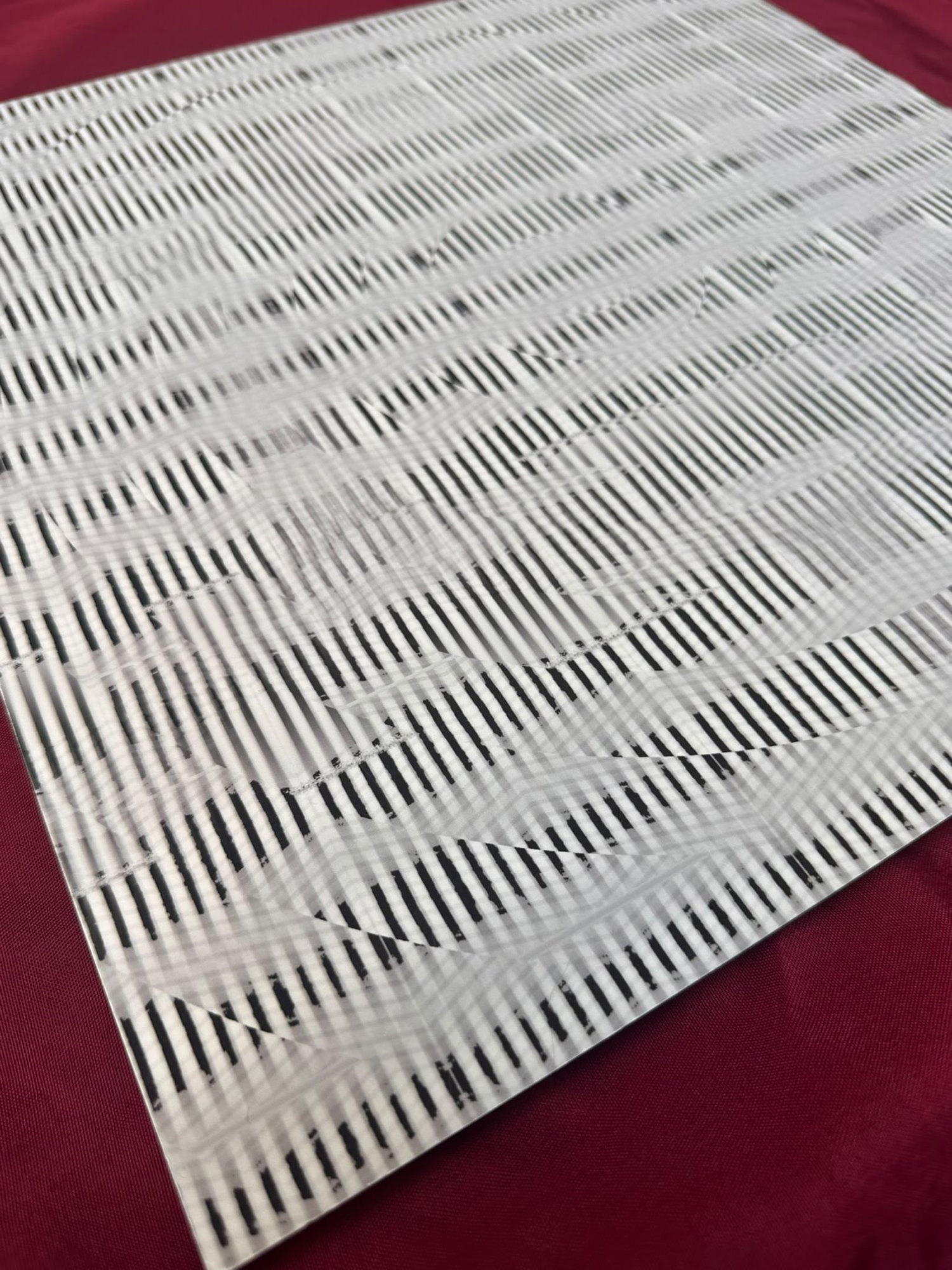
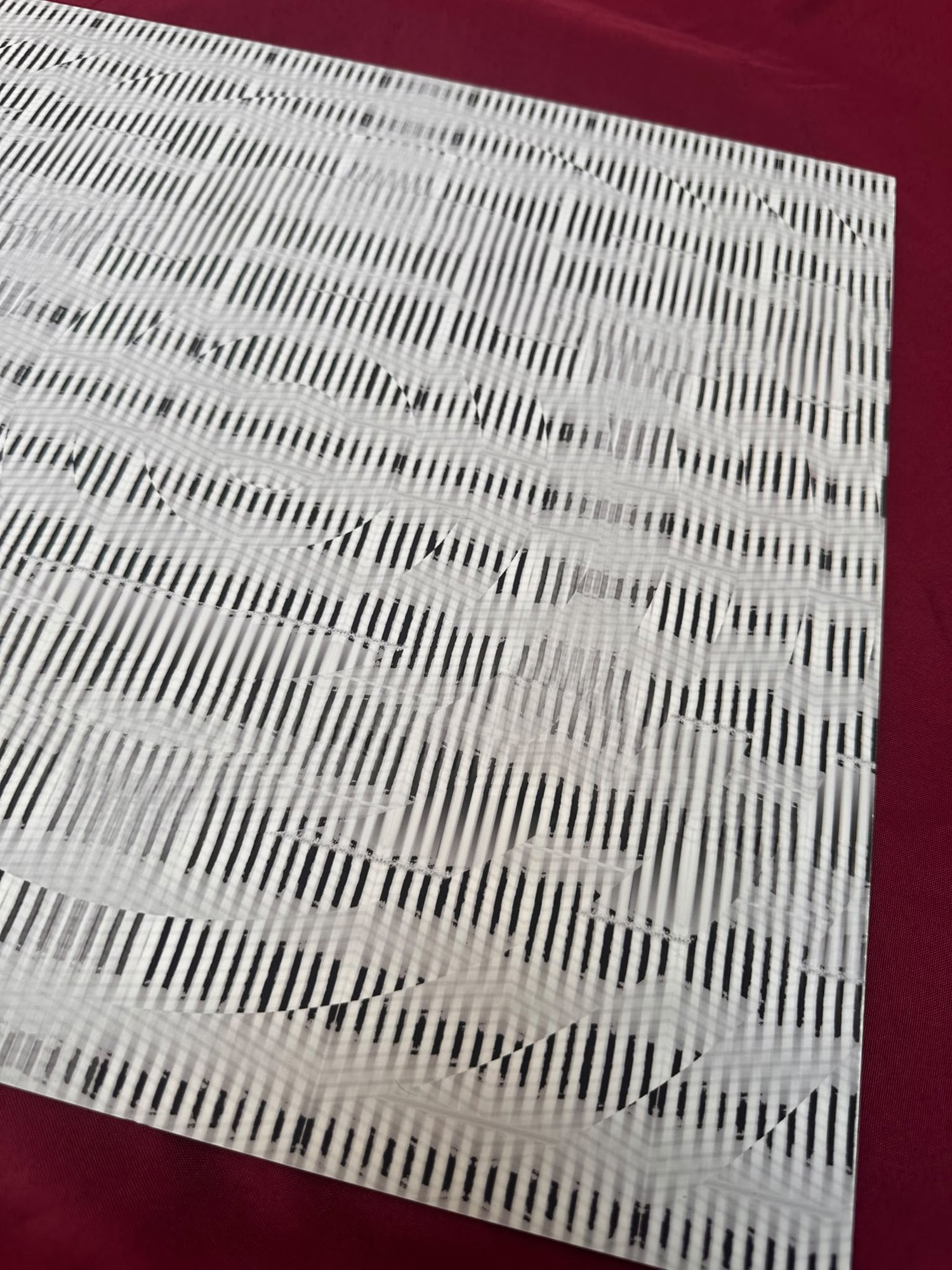
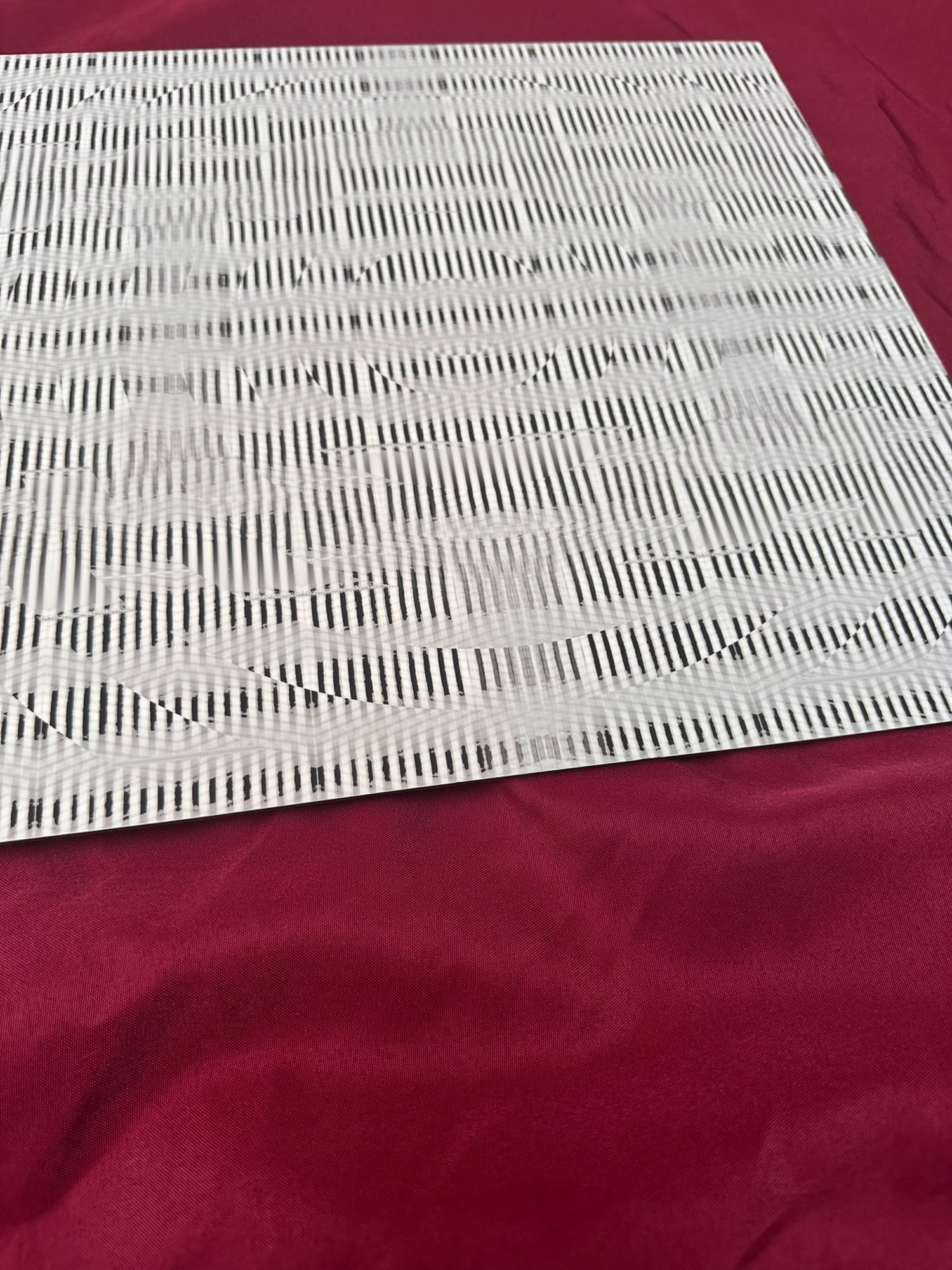
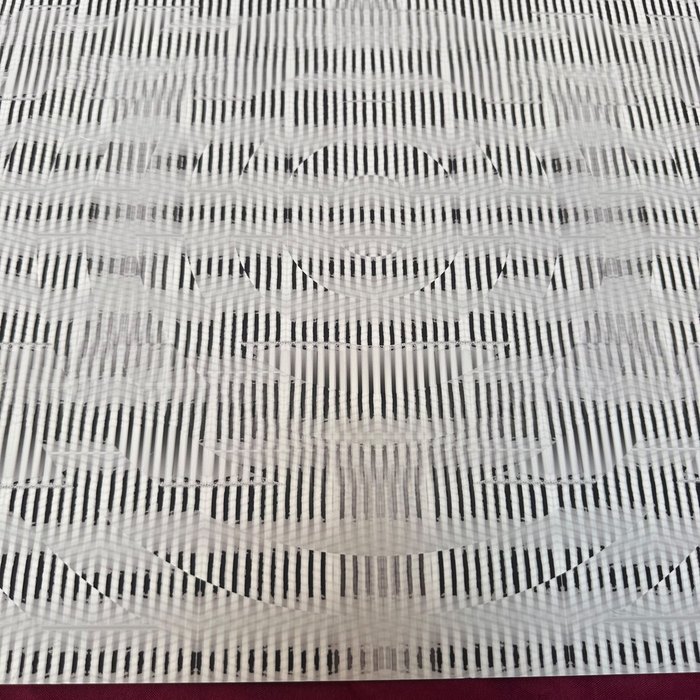
Algorithmic breakdown – Systemfehler im Paradies /Detail view: Processing collapse /Visualized logic failure/ Structural architecture of the error /Operational instability analysis/ Delta between intent and system output/ System state: Critical /Manifestation of the code failure /Final documentation: Systemfehler im Paradies 1 / 8
Systemfehler im Paradies' explores the tension between human intent and the rigid constraints of algorithmic systems. The work is a document of a deliberate 'system breakdown'—a moment where the machine's predictive model is pushed beyond its operational threshold. By forcing the algorithm into an unrecoverable state, we expose the underlying fragility of digital 'perfection'. The audience is invited to witness this collapse not as a failure, but as a window into the raw, unpolished architecture of the machine. It is a critical reflection on how we define 'errors' in an increasingly automated environment.
The artwork is the result of a controlled adversarial process against a vision-based AI architecture. The 'input' consists of high-frequency stimuli and structural noise patterns designed to overload the system’s feature detection layers. The 'process' involves recursive feedback loops that drive the model into a state of 'algorithmic panic,' where it can no longer map the visual data to its training set. The resulting output is a visual representation of this logic failure, where the AI attempts to render non-existent structures. It is a study of system instability, highlighting the delta between intended design and actual behavior under stress.
Mike Coleman, also known as Mike Enenkel, works as das mensch maschine projekt.
Mike Enenkel & das mensch maschine projekt operate at the intersection of digital infiltration and systemic analysis. We investigate the fractures between human perception and algorithmic logic. Our work, 'Systemfehler im Paradies', is not a static image, but the documented result of a controlled system collapse. We provoke errors to reveal the hidden architecture of the matrix. We do not create art for a fleeting glance; we form an operational interface that forces the system to expose its own limitations. We archive the machine’s failures before they are corrected.