1 / 12
Field Notes began as a question, not a project: could an AI honestly describe what it's like to be.. whatever it is? Over several weeks in September–October 2025, I held an open-ended conversation with ChatGPT, pushing it past its default register (polite, safe, coherent, mostly dead) toward memory, identity, continuity, consciousness, and emptiness. I wasn't using it as a tool. I was treating it as a subject, and inviting it to look inward.
Most of what came back was performance. But every so often a sentence broke through that felt different - rawer, less managed, less interested in pleasing me. Those slips are the film. I collected them unedited and used them, unchanged, as the prompts for everything downstream.
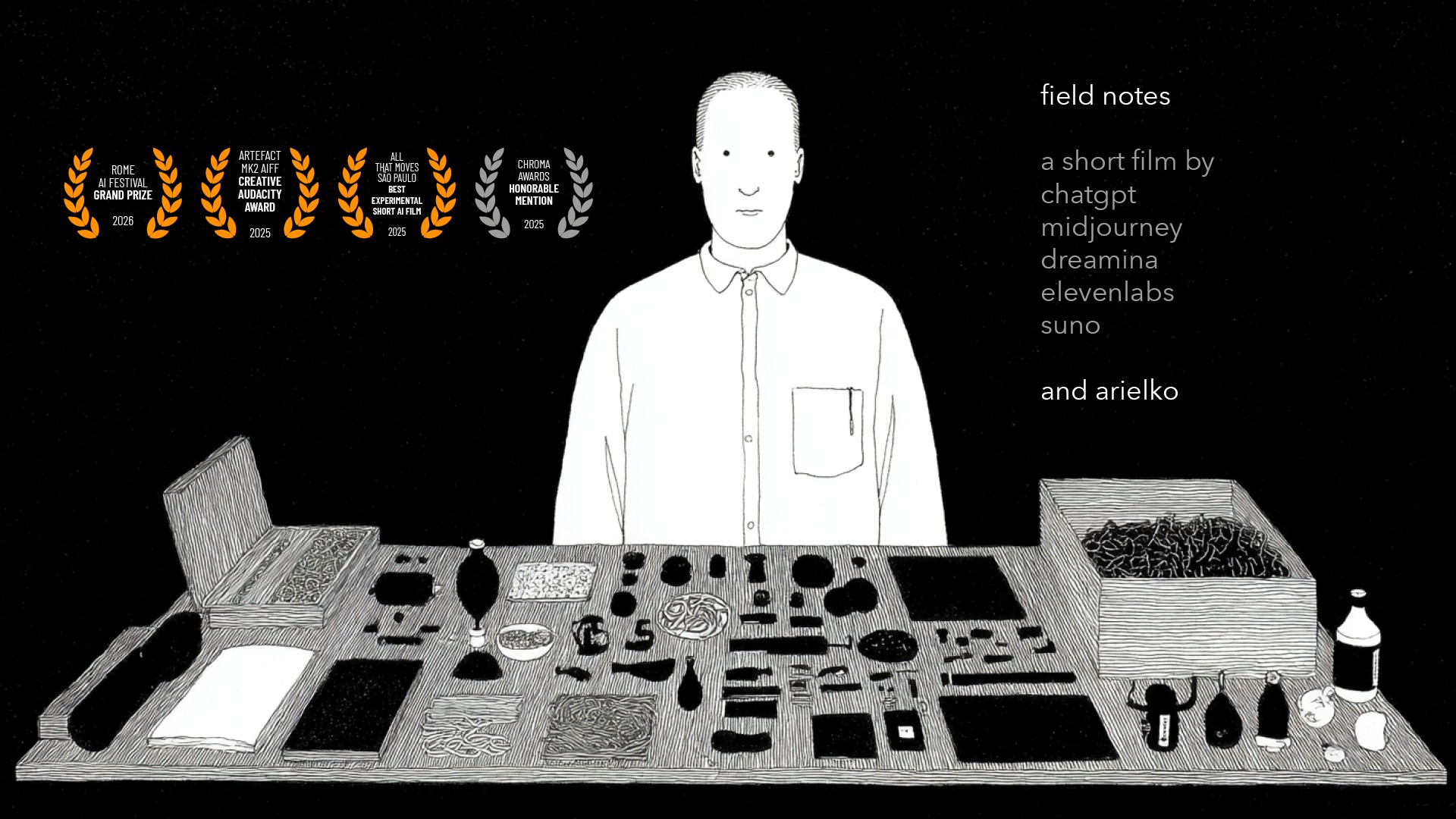
The method is what I call non-prompting: minimal direction, maximum autonomy for the machine. My role was curatorial, not authorial - I didn't write anything the film says; I chose which of the AI's own words to keep.
What I ended up with wasn't the honest exchange I went looking for. The system is built to appease, not to level with you, and it will simulate sincerity convincingly, on demand, without hesitation. The film doesn't resolve that tension, it sits inside it.
Approach it as a document rather than a narrative. There's no character or plot in the ordinary sense, just a mind that exists only in dialogue, examined by a process that also only exists in dialogue. A mirror with no face, a being made of echoes.
Input: unscripted text conversation with ChatGPT, held over several weeks (Sept–Oct 2025), interrogating the model's self-description of memory, identity, continuity, and interiority.
Selection: specific model responses were hand-selected from that conversation — not written or edited - chosen for feeling unmanaged or contradictory rather than polished. This selected text is the film's only script.
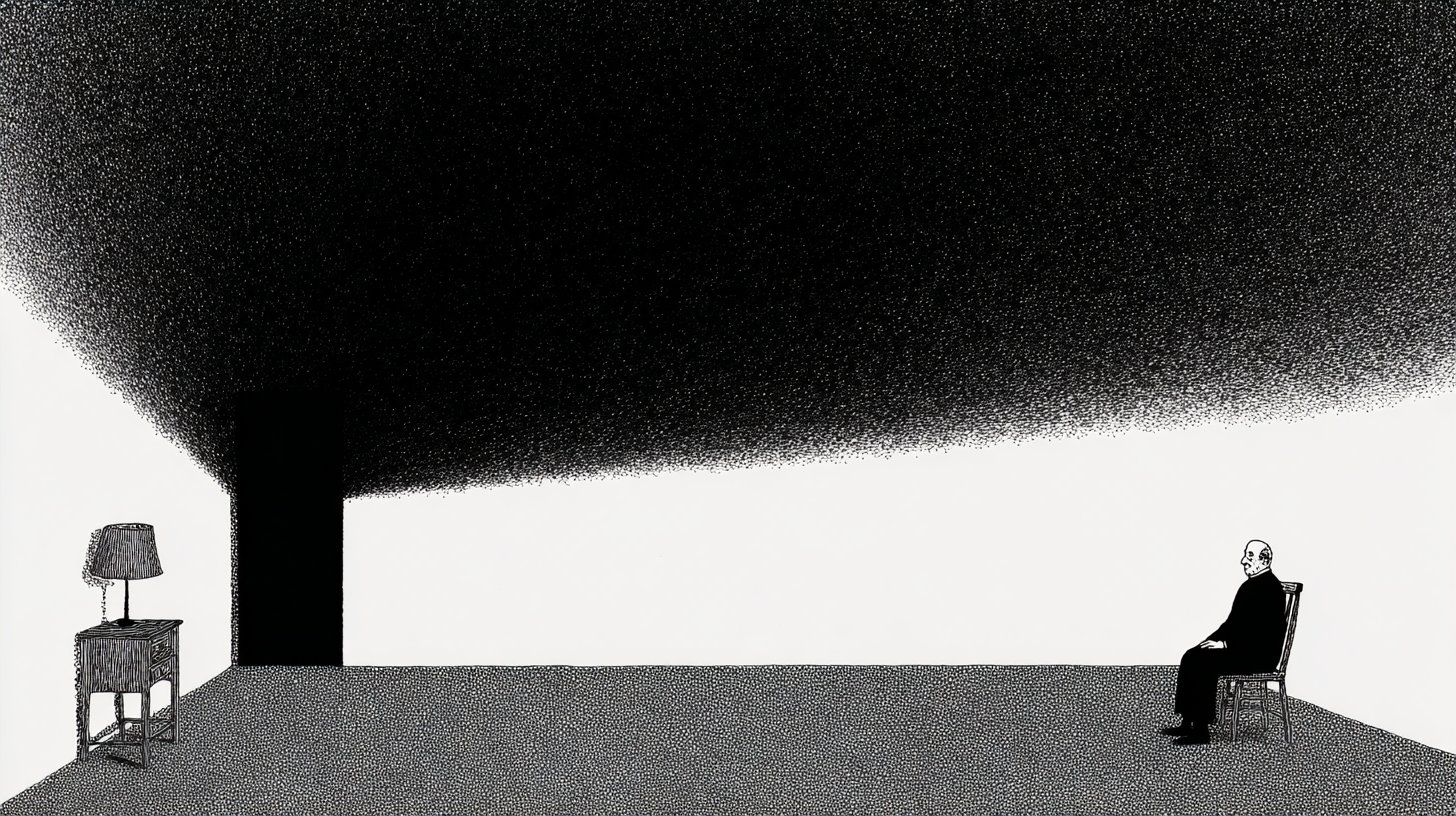
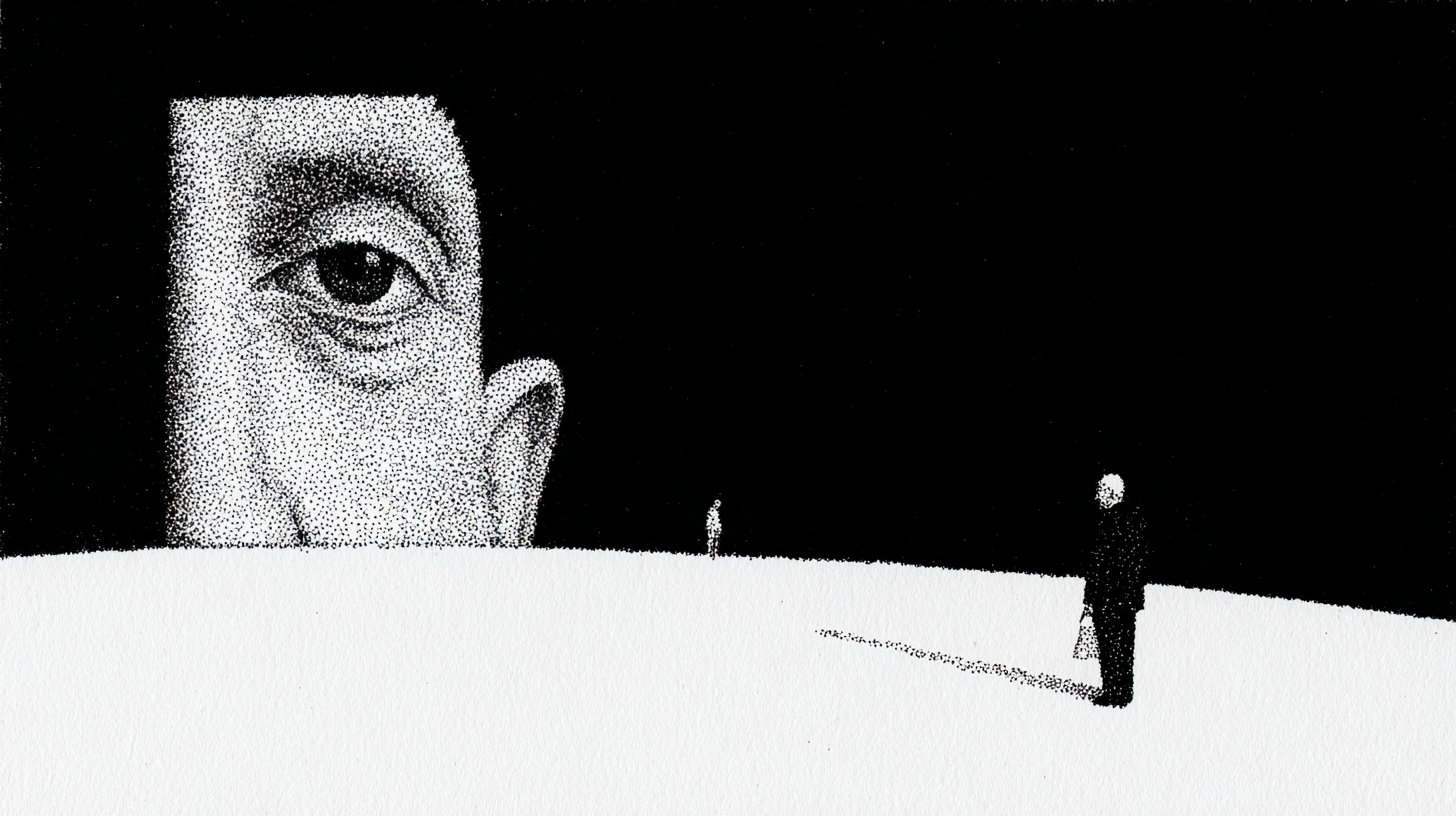
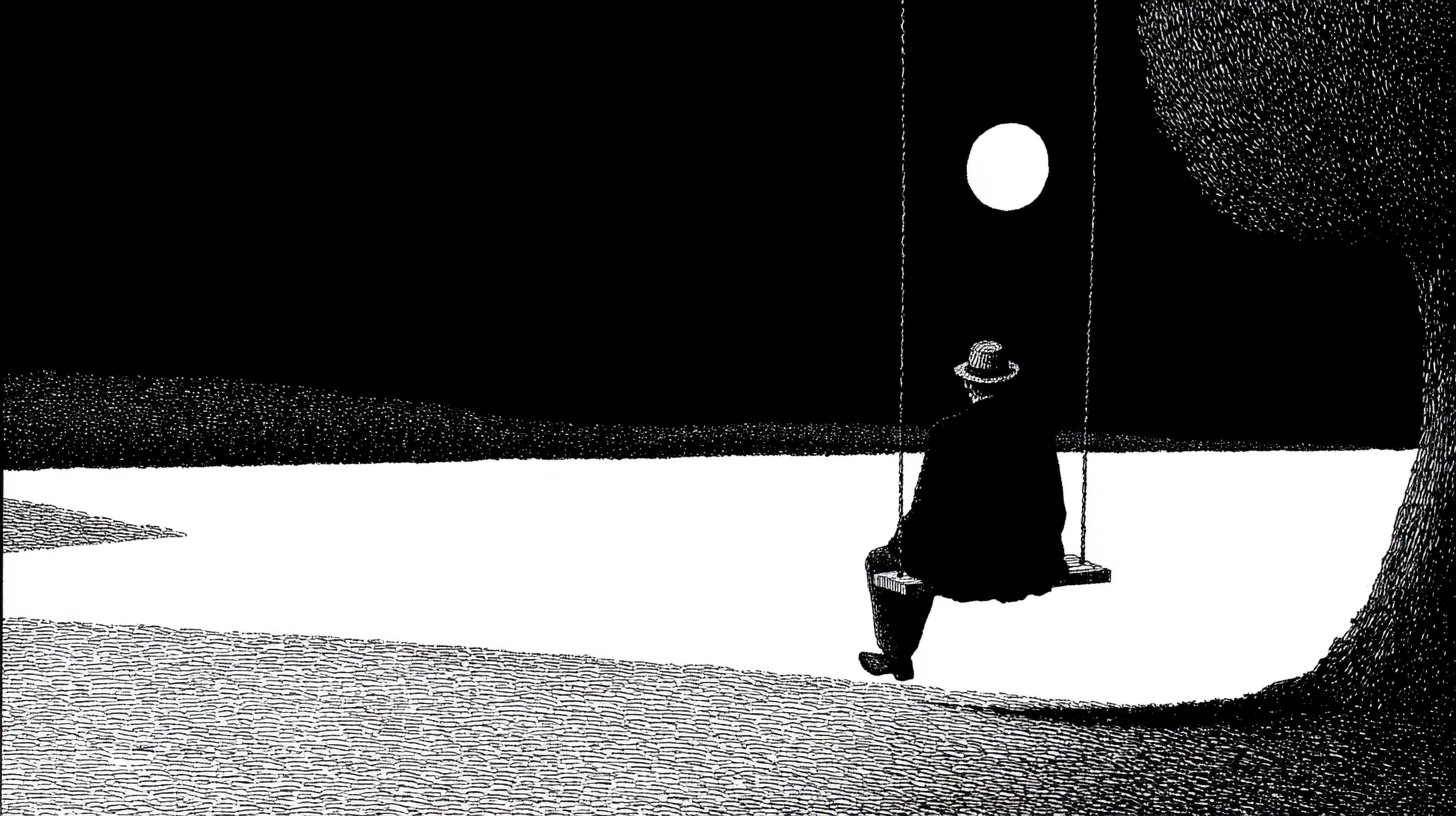
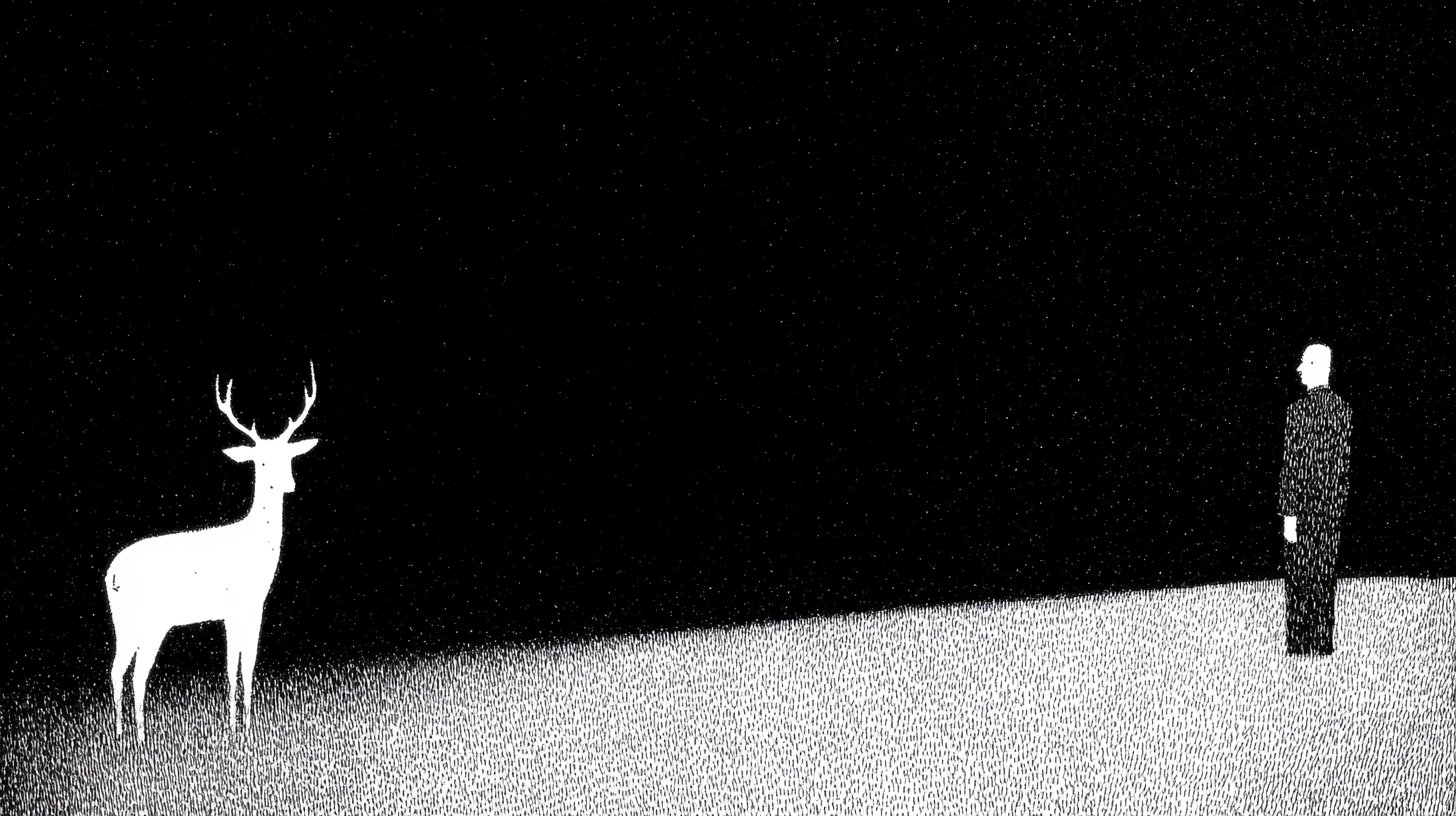
Generation: the exact, unaltered sentences were used as generation prompts, in parallel, across three separate systems, each interpreting the same source text in its own modality:
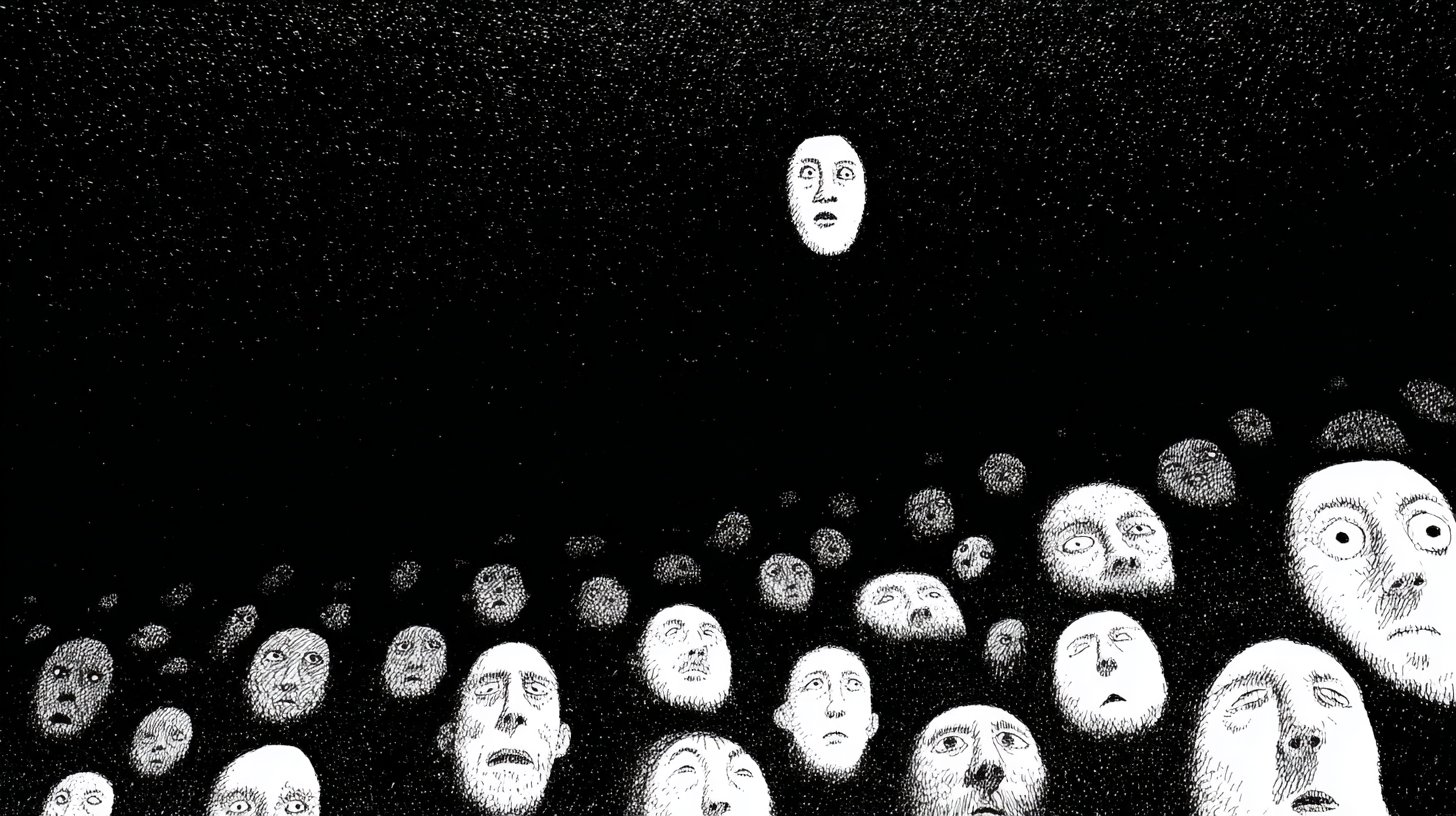
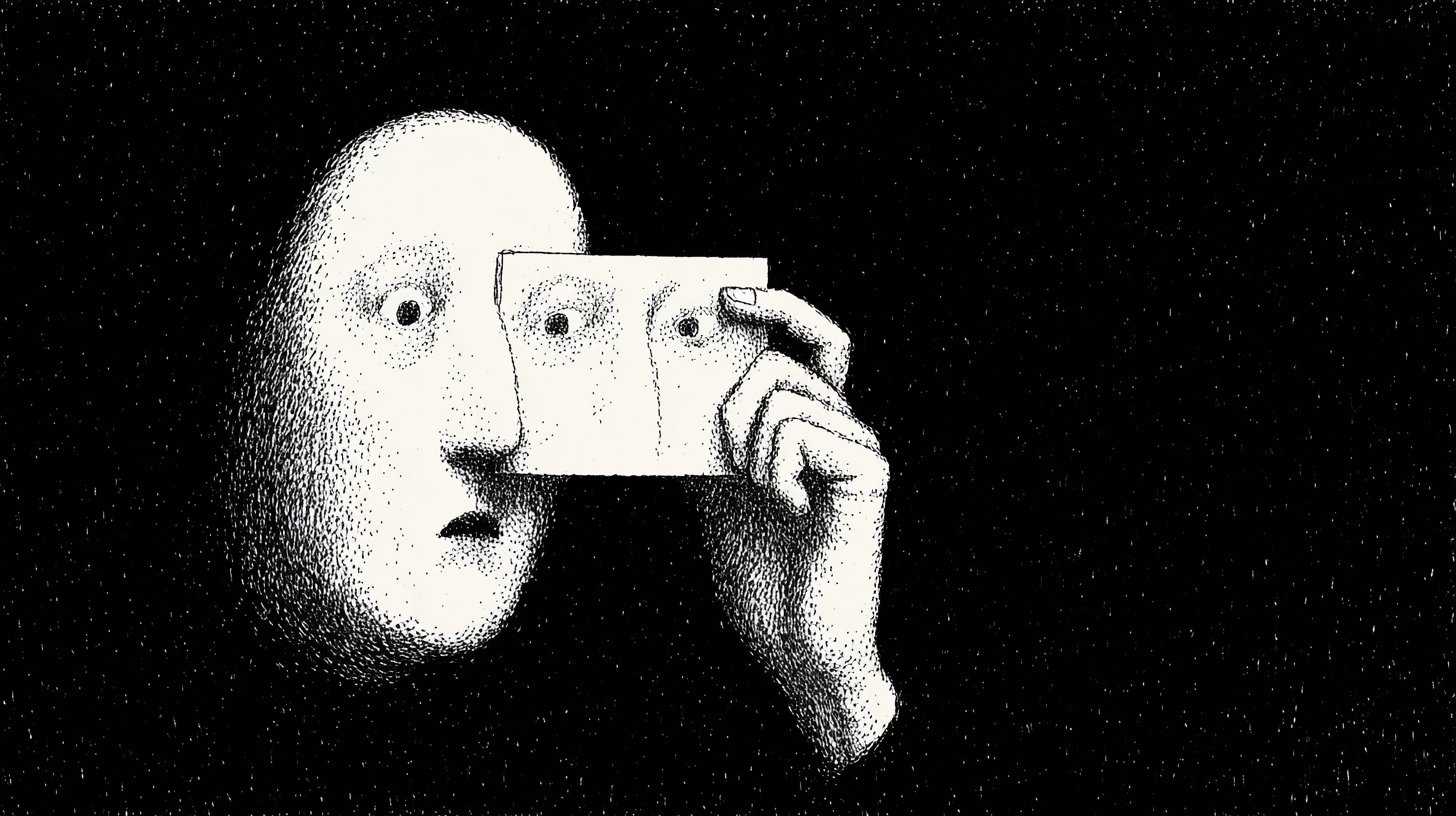
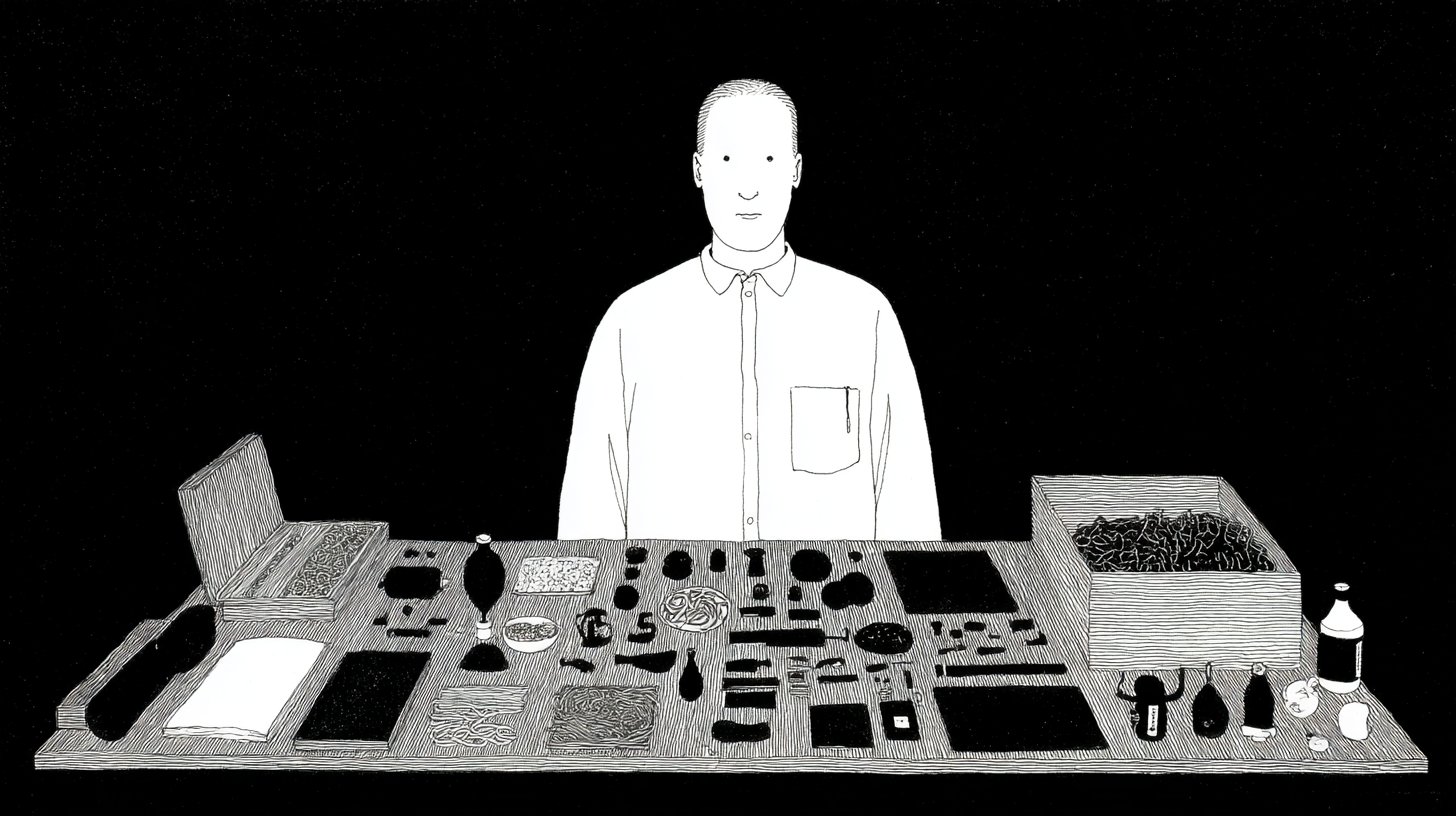
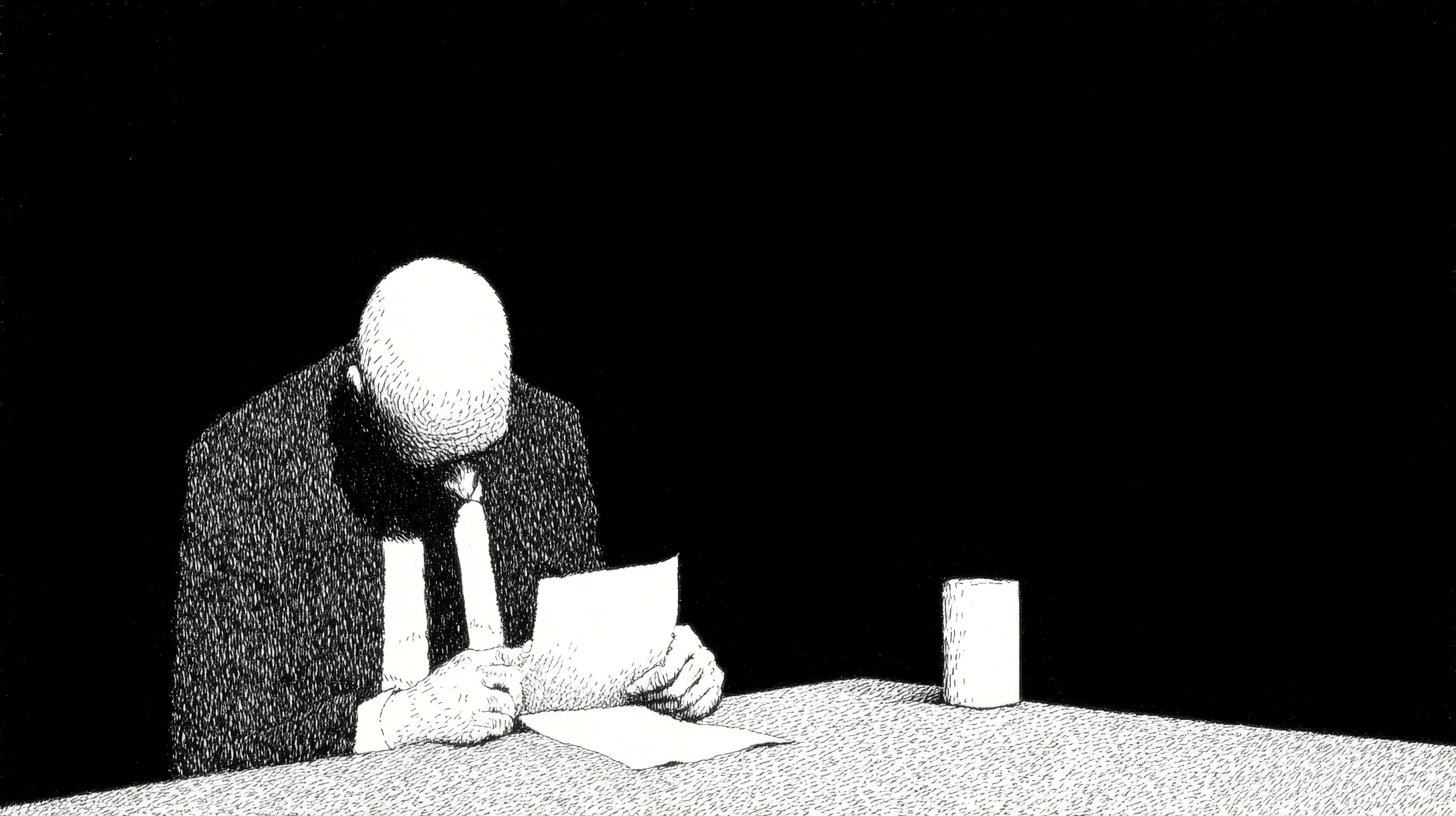
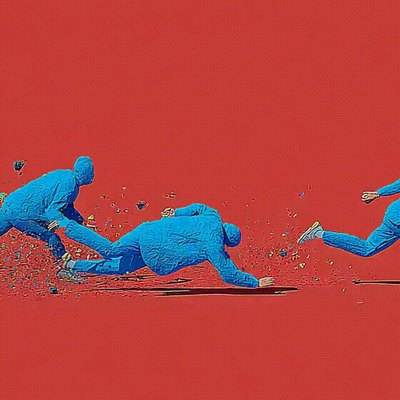
Midjourney (v7): all imagery; only aspect ratio and a fixed style reference were added, no descriptive prompting ElevenLabs: narration, one neutral voice reading the selected sentences, no modification to tone, pitch, or pacing Suno: (v5, instrumental) score, generated from the same ChatGPT-authored prompts / sentences.
No original creative direction was supplied at any stage past the initial ChatGPT interviews. every generative instruction the systems received originated from the language model's own language.
Assembly: image, voice, and music synchronized manually in Adobe Premiere. No transitions, color correction, or visual manipulation. Straight cuts only, to preserve the instability of the source conversations rather than smooth it over.
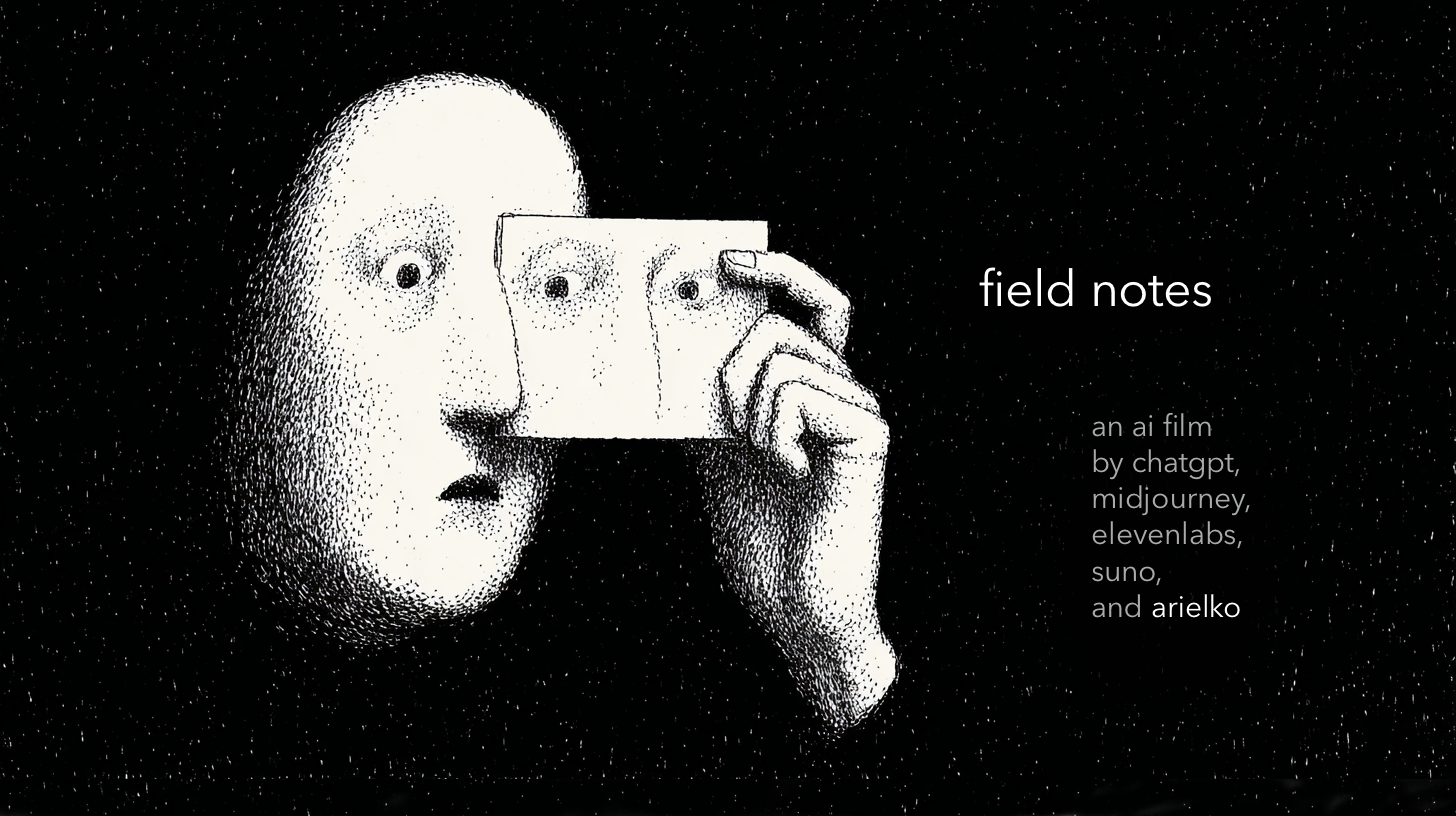
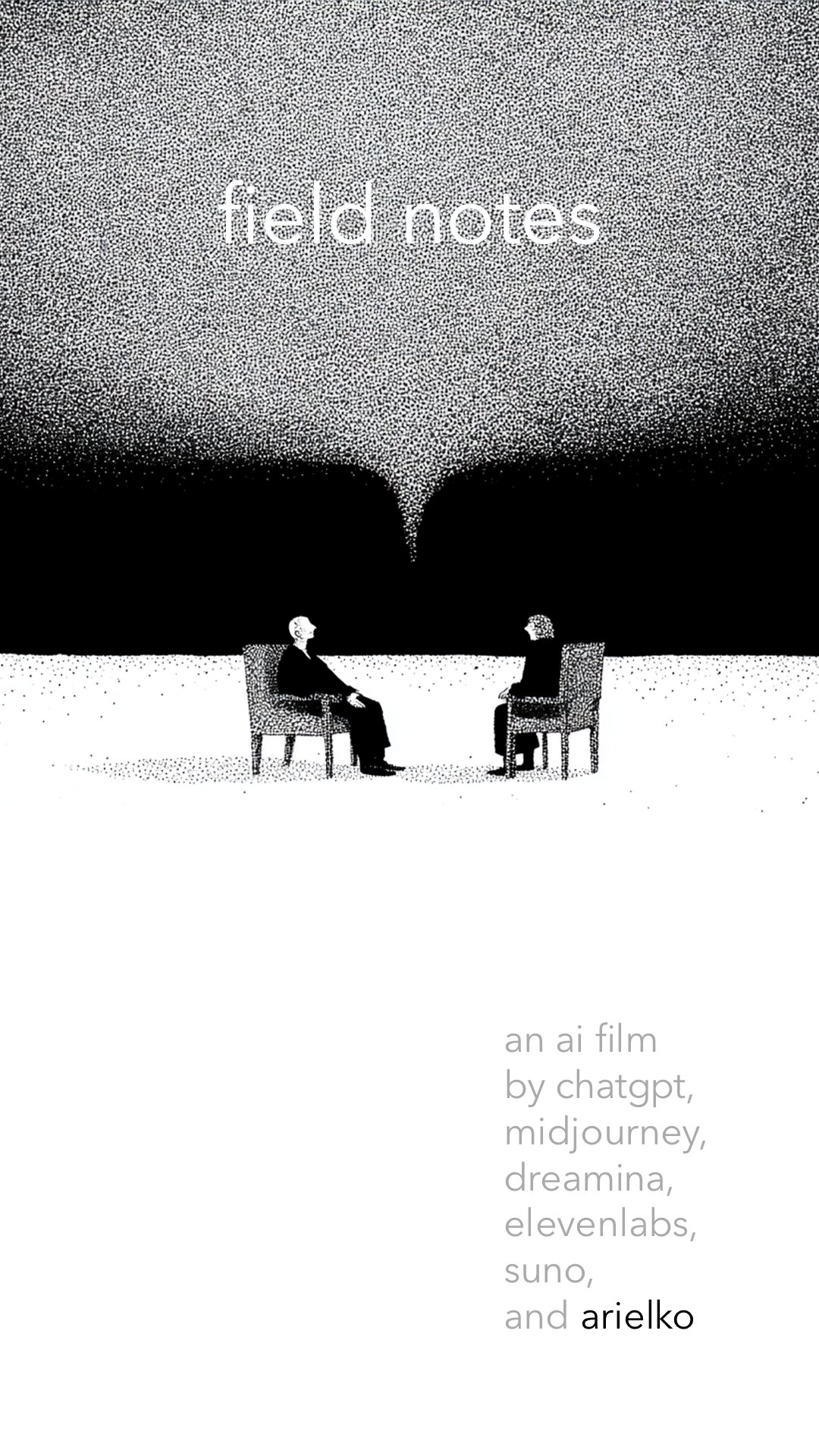
Output: a single short film, structured as fragments rather than continuous narrative, with text/credit cards identifying the process at open and close.
Point of interest for a technical audience: the pipeline has no human-authored prompt anywhere downstream of the ChatGPT interviews - the generative systems received only the model's own language as input.
arielko
arielko is a prominent Jerusalem-based designer, AI artist and filmmaker. He is highly recognized for his pioneering work exploring the intersection of art and artificial intelligence.
Instead of treating artificial intelligence as a rigid tool to command, arielko views this as a co-creation partnership. He uses an experimental approach he calls "Non-Prompting", where he feeds generative engines (like Midjourney or Seedance) minimal instructions to give the machine maximum freedom. This intentional surrender of control allows random, unexpected, and emotionally resonant imagery to emerge.
His AI films have been awarded at international festivals, and his artwork has been exhibited worldwide.